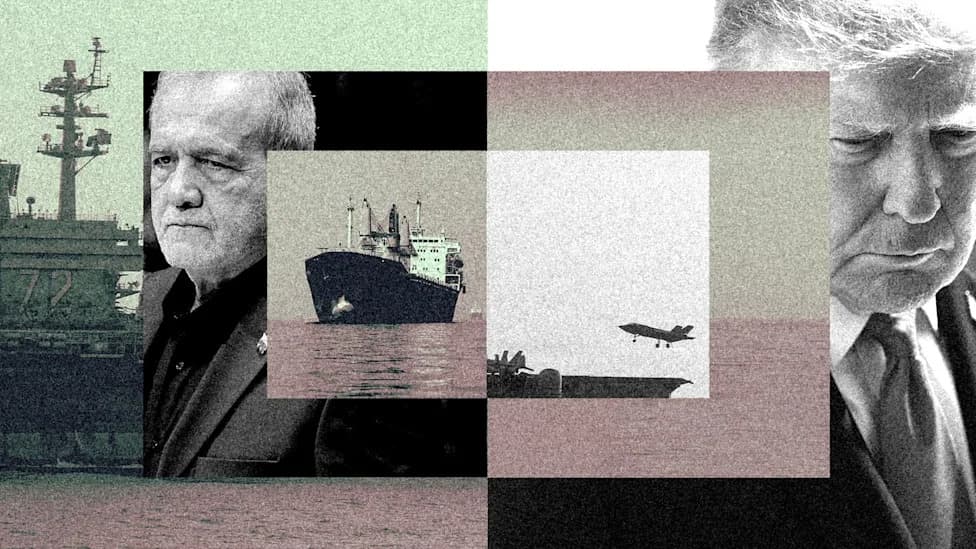
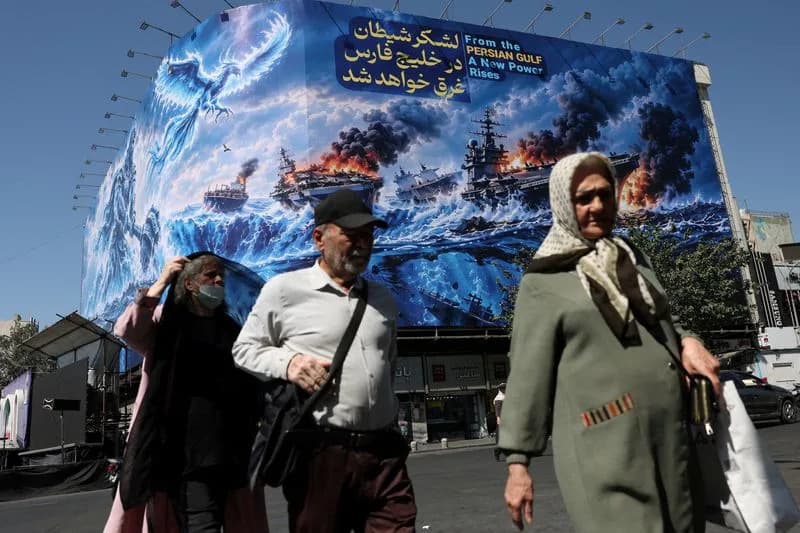
The US–Iran MoU signed on June 17 is set to expire Monday amid mutual accusations that each side violated the pact. The agreement promised an immediate end to military operations and a 60-day window for a final, UN-backed deal, but disputes over obligations and continued strikes left key commitments — like lifting sanctions and reopening the Strait of Hormuz — unfulfilled. Leadership changes in Tehran and escalatory rhetoric from Washington make future talks more difficult, while analysts say both sides now face limited practical levers.
US–Iran Truce Nears End: MoU Set To Expire Amid Mutual Accusations And Escalating Rhetoric
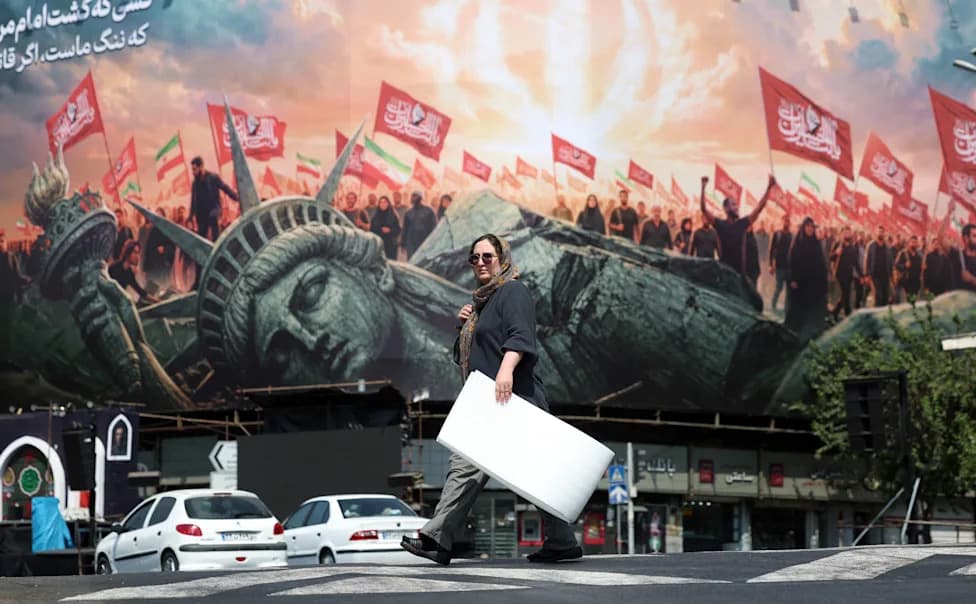
An anti-US billboard in central Tehran, August 13, 2026 [Abedin Taherkenareh/EPA]
The memorandum of understanding (MoU) intended to halt hostilities between the United States and Iran is due to expire on Monday, and there are few signs either side plans to extend it after weeks of reciprocal accusations of violations.
Iranian Foreign Minister Abbas Araghchi said on Telegram:
"We have not yet made a decision to restart negotiations with the United States."
Mediators from Qatar and Pakistan have continued shuttling messages with Tehran, and Araghchi said Iran is negotiating a separate arrangement with Oman to establish new shipping routes through the Strait of Hormuz — but stressed any progress would depend on reaching a broader political agreement.
What the MoU Promised
Signed on June 17 after high-level talks hosted by Pakistan, the MoU pledged an immediate end to military operations and set a 60-day window to negotiate a final, UN-backed settlement. Key U.S. commitments included ending a naval blockade within 30 days, withdrawing forces near Iran after a final deal, lifting sanctions, issuing waivers for oil exports, and enabling Iran to access frozen assets. The United States also pledged to begin a reconstruction and development package for Iran of at least $300 billion.
In return, Iran agreed to clear mines from the Strait of Hormuz and allow ships to pass "with no charge" for 60 days. Tehran also reaffirmed it would not pursue nuclear weapons and said details on enrichment and other technical issues would be negotiated in the final agreement.
Where The Deal Broke Down
Disputes quickly arose over whether the text constituted a temporary ceasefire or a permanent end to the war and over each side’s specific obligations. By late June both sides accused the other of violations: the U.S. described Iranian strikes as breaches of the pact, while Iran said some U.S. strikes violated Article 1 of the MoU.
On July 7 the U.S. declared the agreement "over" and continued limited military actions, including strikes that Iranian officials said hit civilian infrastructure and killed at least 50 people. Washington did not fully lift sanctions, and U.S. leaders rejected proposals to pay for Iran's reconstruction — instead suggesting Tehran should pay compensation for its own past actions.
Efforts to reopen the Strait of Hormuz for unimpeded maritime traffic have not materialised. Both Tehran and Washington continue to insist they control the strait; the Pentagon recently said it fired on a Panama-flagged cargo vessel it said violated the U.S. blockade.
Political Fallout And Future Prospects
Iranian officials argue the U.S. failed to deliver on promises to release assets, lift sanctions and remove its naval blockade. Domestic changes in Iran’s security leadership — including the appointment of Mohsen Rezaei to head the Supreme National Security Council — point to a tougher negotiating posture in future talks.
On the U.S. side, President Donald Trump has signalled more assertive policy toward the strait, saying he intends to "declare the Hormuz Strait a territory of the United States" after defeating Iran. Treasury officials have also warned of unprecedented measures against Tehran.
Analysts caution both sides now have constrained options. U.S. military assets and missile inventories have been stretched, and economic levers have limits. Iran retains the ability to disrupt global trade by targeting traffic through Hormuz, giving it strategic leverage.
"The ceasefire stopped and was rendered obsolete after the US didn't comply with the terms," said Mostafa Khoshcheshm, a professor at the University of Applied Sciences in Tehran.
Barbara Slavin of the Stimson Center suggested a negotiated settlement remains the most likely outcome — possibly after U.S. midterm elections reduce domestic political risk — and warned any resolution will be complex and politically costly for both sides.
Iranian Parliament Speaker Mohammad Galibaf told reporters that the concessions Iran gained under the MoU were "a source of pride and victory," saying Tehran had emerged victorious "both militarily and politically."
Help us improve.