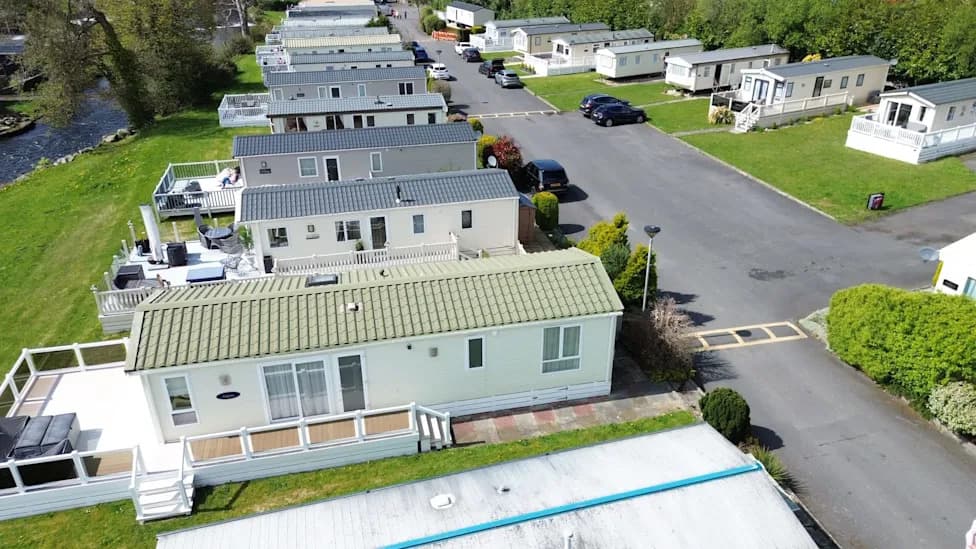
Residents at two Montana mobile‑home parks organized with local tenant unions to push back proposed lot‑rent hikes and won a reduction of the immediate increase and a 3% cap on future raises. Oak Wood Ventures scaled a proposed $200 (+$150) increase down to $50, with future increases limited to about $19 this year. The cap was reached through bargaining rather than legislation and organizers hope the victory fuels broader local and statewide protections.
Montana Mobile‑Home Residents Win Rare 3% Lot‑Rent Cap After Organizing
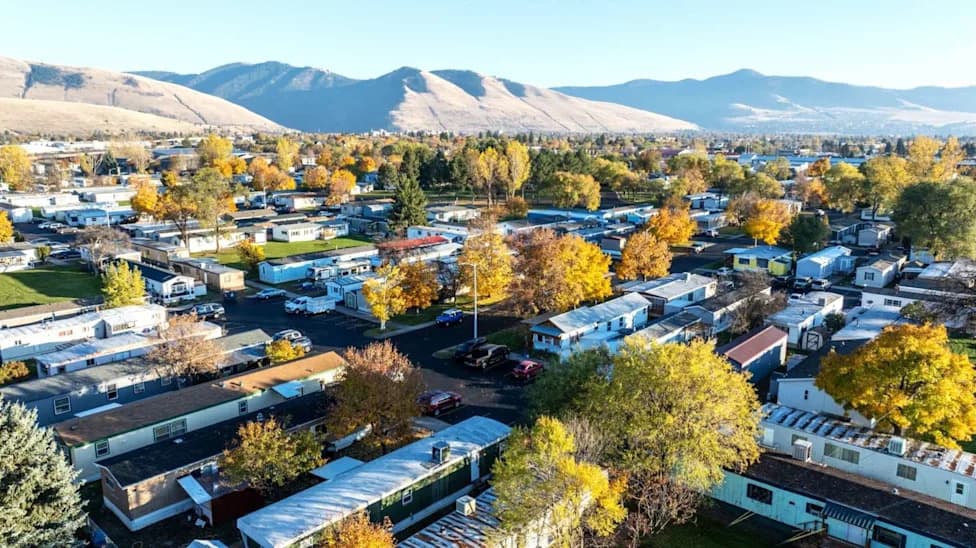
Photo Credit: Travois Village
Residents of two Montana mobile‑home parks who faced steep lot‑rent increases successfully negotiated a rare 3% annual cap after organizing with local tenant unions, the Montana Free Press reported.
When Texas‑based Oak Wood Ventures bought Travois Village in Missoula, the company notified residents of a $200 monthly lot‑rent increase. The owner later proposed an additional $150 hike that would have pushed monthly lot rents to roughly $795 at Travois Village and $770 at Harvey's Park in nearby Bonner.
Tenants first worked with Missoula Tenants Union and then formed resident unions at each park. That coordinated response led Oak Wood to scale the proposed increase down to $50 and to agree to a 3% cap on future annual lot‑rent increases — limiting this year’s rise to about $19.
“The lesson is that if you stick together and if you organize, this process can work,” Travois resident Erik Brilz told the Free Press. “It's a matter of dedication and organization and everyone being willing to fight and fight together.”
Organizer Jackson Sapp summarized the outcome bluntly: “To say it more plainly, we won rent control in Montana.”
Because Montana law restricts formal rent‑control measures, the cap was reached through direct bargaining between tenants and the landlord rather than through new state legislation. As Sapp noted, Montana’s political climate makes legislated rent control difficult, so tenant organizing created an alternative path to stability.
Housing market pressures in western Montana — rising home prices, limited supply, higher interest rates and wages that lag inflation — are motivating more renters to organize, experts say. Greg Baltz, an assistant professor of law at Rutgers Law School, told the Free Press that many renters no longer see a clear path to homeownership and are mobilizing to defend their current housing.
Manufactured‑home residents are particularly vulnerable because moving a home is often prohibitively expensive or logistically impractical. Tenant unions in Missoula and Bozeman, both founded in 2022, have organized park‑by‑park to turn that vulnerability into bargaining power.
Beyond negotiating with park owners, organizers have pushed for broader tenant protections. Bozeman Tenants United helped secure a municipal program that offers free mediation and legal services to renters, and Missoula organizers say property‑level wins can build momentum for statewide efforts, including a planned push at the Montana Legislature in 2027.
Why it matters: For families who own their manufactured homes but rent the land beneath them, predictable lot rents can mean the difference between staying in place and being priced out. This agreement demonstrates how local organizing and collective bargaining can produce meaningful protections even where formal rent control is limited.
Help us improve.