Itamar Ben-Gvir, Israel's national security minister, told a former hostage on a podcast that Israel should carry out "targeted assassinations," killing "30 to 40" people in Gaza nightly and described some Palestinians as "not even people." His remarks, widely shared by Palestinian media, have intensified concerns about extremist rhetoric within Israel's governing coalition ahead of Oct. 27 elections. Ben-Gvir controls the prison service and national police but does not command the military; critics warn his proposals for mass emigration and resettlement of Gaza could amount to ethnic cleansing.
Itamar Ben-Gvir Urges '30–40' Nightly Killings in Gaza, Calls Some Palestinians 'Not Even People'
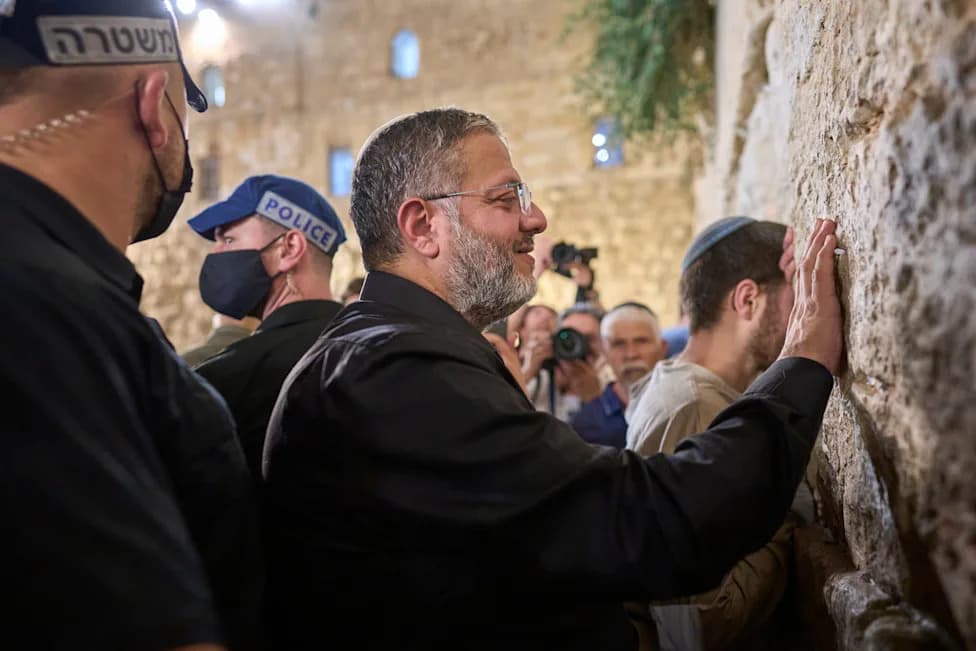
Israel's Minister of National Security, Itamar Ben-Gvir, prays during the mourning ritual of Tisha B'Av at the Western Wall, Judaism's holiest site, in Jerusalem's Old City, Wednesday, July 22, 2026. (AP Photo/Ohad Zwigenberg)
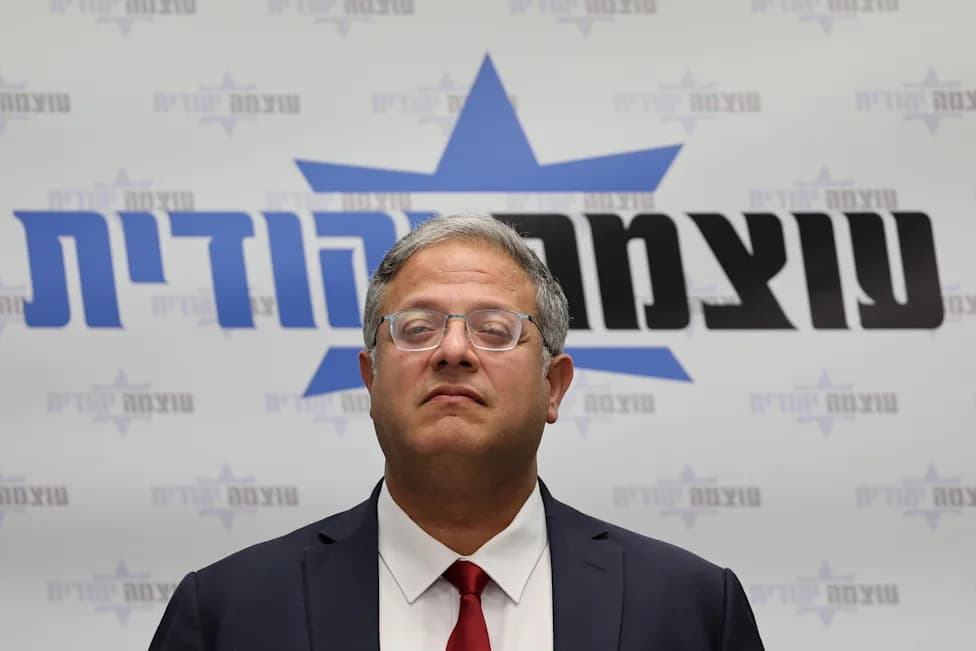
Itamar Ben-Gvir, Israel's minister of national security and a prominent far-right lawmaker in Prime Minister Benjamin Netanyahu's coalition, told a former Gaza-held hostage on a podcast that "targeted assassinations" should eliminate "30 to 40" people in Gaza each night and described some Palestinians as "not even people." The remarks, which resurfaced Sunday, were widely circulated in Palestinian media and have drawn renewed international criticism.
Remarks and Reaction
Ben-Gvir made the comments during a taped conversation with Rom Braslavski, a former hostage, while discussing Israel's response to Hamas' Oct. 7, 2023 attack. He criticized what he described as a recent reduction in strikes on Gaza and called for sustained targeted killings.
"It's no secret, I disagree with the prime minister. I think targeted assassinations should be carried out in Gaza, taking down 30 to 40 every night. Not just those who pose an immediate threat — there are people there who are not worthy of life. They shouldn't live. They're not even people."
Similar rhetoric from Ben-Gvir and other officials has been widely condemned and, in some instances, cited in international proceedings as evidence of possible genocidal intent. Israel rejects accusations that its actions in Gaza amount to genocide.
Power, Responsibilities and Limits
Ben-Gvir does not command the Israeli military and therefore cannot unilaterally order strikes on Gaza. However, since moving from the political fringe into a senior government role, he has acquired control over significant elements of Israel's internal security apparatus, including the prison service—which holds thousands of Palestinians from Gaza and the West Bank—and the national police.
He has in the past boasted of reducing food rations for Palestinian detainees; Israel's top court later ruled in 2025 that the prison service under his oversight had deprived Palestinian inmates of a minimum subsistence diet.
Policy Proposals and Legal Concerns
In the same interview, Ben-Gvir urged large-scale emigration of Palestinians from Gaza and the resettlement of the territory by Israelis. International legal experts warned such measures could amount to ethnic cleansing if implemented.
Two decades ago, Israel withdrew settlers and forces from the Gaza Strip, dismantling 21 settlements in the Gush Katif bloc. Ben-Gvir said he envisions settlements across Gaza and encouraged emigration of Palestinians "to their countries," while suggesting captured militants should be killed rather than allowed to leave.
Context: Violence, Politics and Coverage
Hard-right figures such as Ben-Gvir have grown in influence in Israel since the Hamas assault in October 2023, which killed about 1,200 people and led to some 251 hostages being taken. Many released hostages have reported prolonged deprivation, physical and psychological abuse, and in some cases sexual assault.
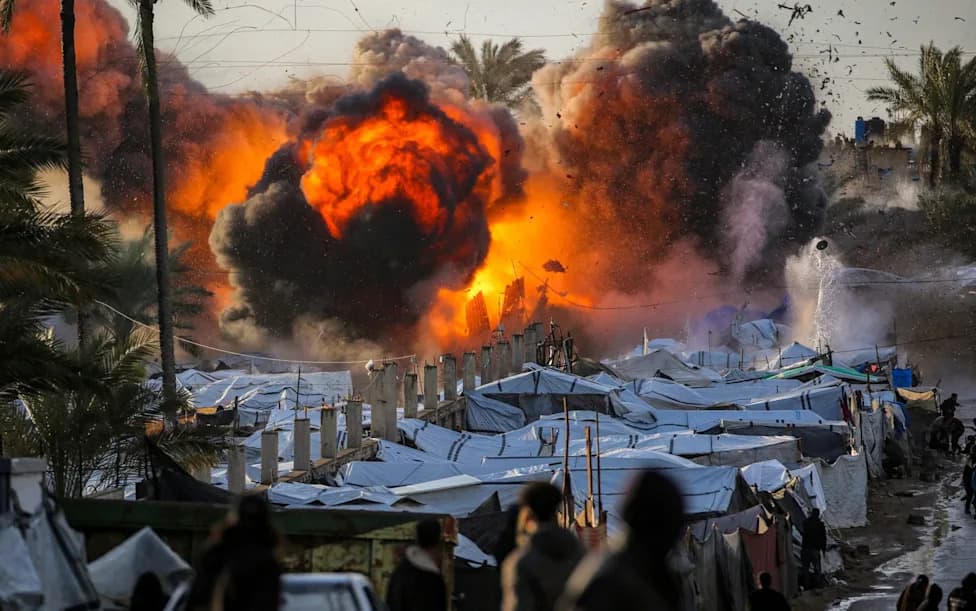
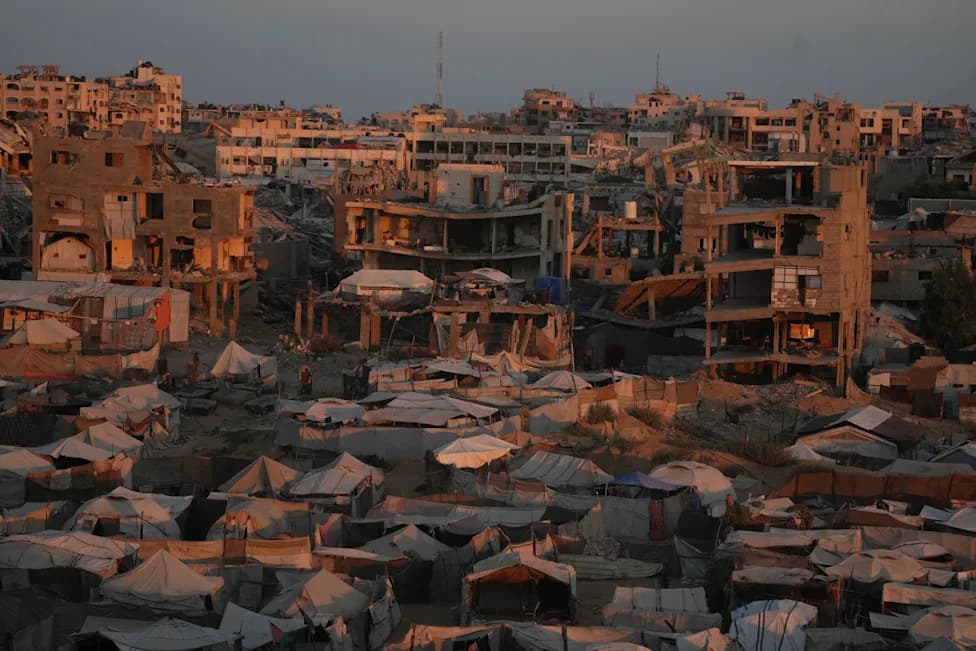
Since an October truce came into effect, Gaza's Health Ministry reports more than 1,250 deaths due to strikes. The Israeli military says its operations target Hamas militants. Israeli media gave the podcast remarks limited coverage, a sign analysts say that views once regarded as fringe are gaining traction ahead of Israel's Oct. 27 elections.
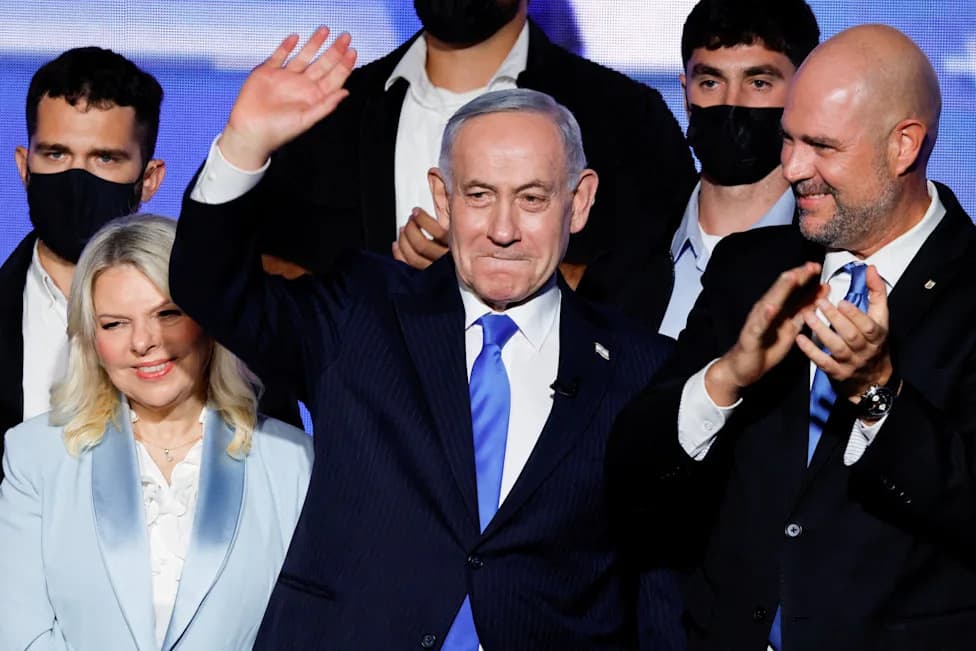
Recent reporting said authority for approving strikes has been centralized with the army chief of staff, a move that angered right-wing ministers and lawmakers. Some outlets also reported the military eased the tempo of strikes as a concession to pressure from U.S. officials after the Israeli government rebuffed a proposed push to expand the truce; the Israeli government says it will not withdraw until Hamas is fully disarmed.
Why It Matters
Ben-Gvir's comments raise legal, moral and political questions about the boundaries of acceptable rhetoric from senior officials, the protection of civilian populations under international law, and the direction of Israeli domestic politics as elections approach. Critics warn that calls for mass killings and for forced population movement risk escalating violence and could have far-reaching legal consequences.
Help us improve.