Significant U.S. foreign aid reductions over the past year have created a major shortfall in the global humanitarian system, leaving the poorest communities more exposed. Global humanitarian funding is down more than a third since its 2022 peak, and the pullback is hampering responses to crises such as the Ebola outbreak in the Democratic Republic of the Congo. Rising food and fuel costs, driven by regional conflicts and market pressures, are also making aid deliveries to places like Sudan and Somalia harder. David Miliband warns that losing U.S. leadership increases systemic humanitarian risks.
When America Steps Back: How U.S. Aid Cuts Are Reshaping Global Humanitarian Relief
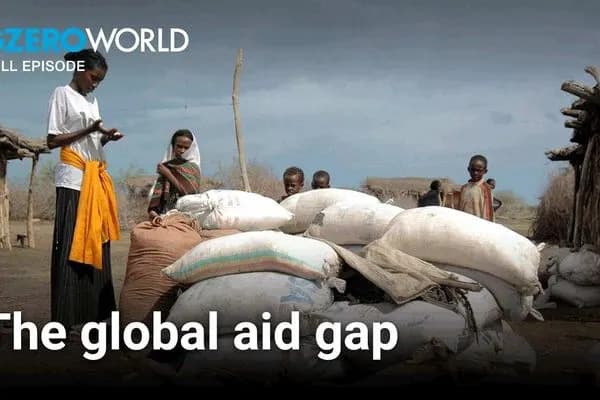
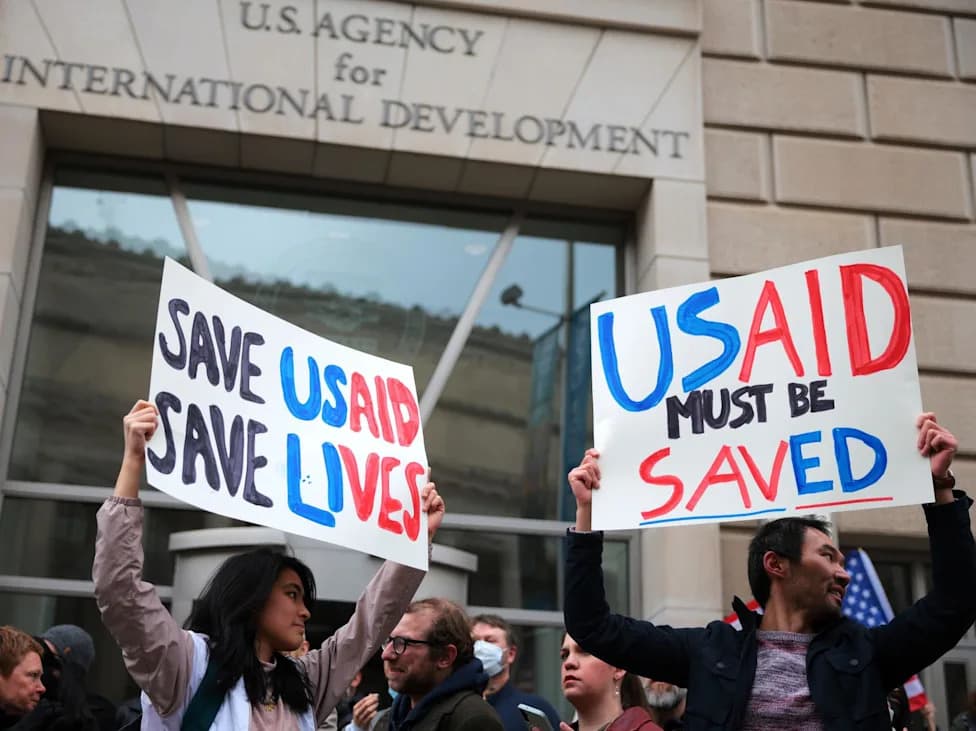
How America's retreat from foreign aid is changing the world
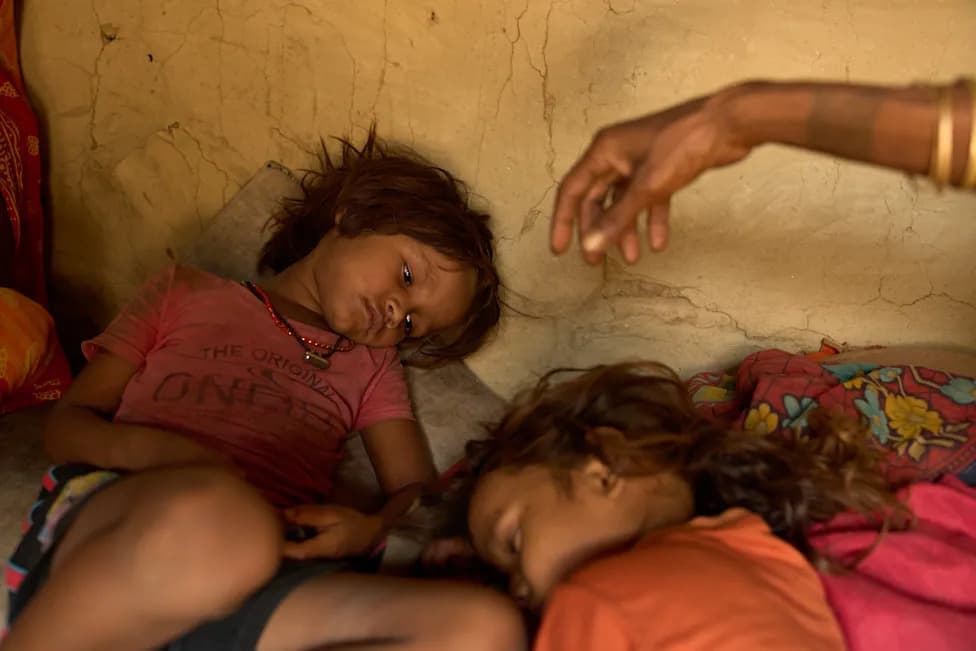
More than a year after significant reductions in U.S. foreign aid began, the global humanitarian system faces a widening gap that is leaving many of the world’s poorest people without urgently needed assistance. On GZERO World, International Rescue Committee President and CEO David Miliband joins host Ian Bremmer to assess how the U.S. pullback is reverberating across crises and what it means for vulnerable communities.
Overall, global humanitarian funding has fallen by more than a third from its 2022 peak. While the international aid architecture was already strained, the scale of recent funding withdrawals is producing visible and immediate consequences in multiple hotspots.
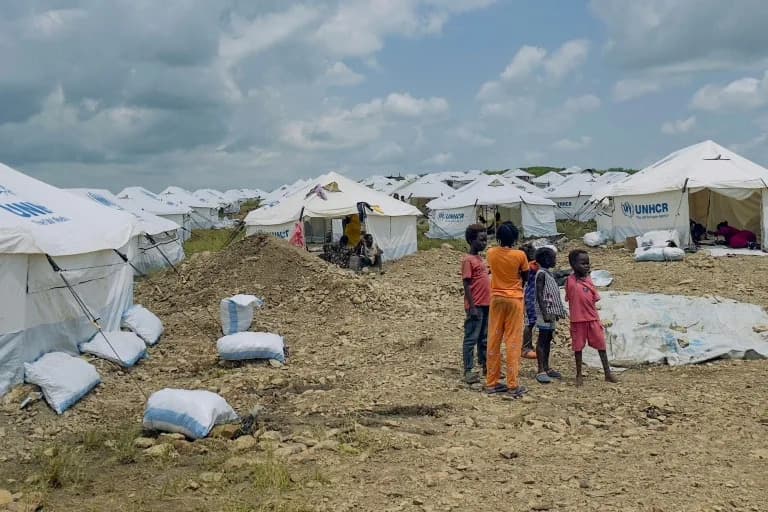
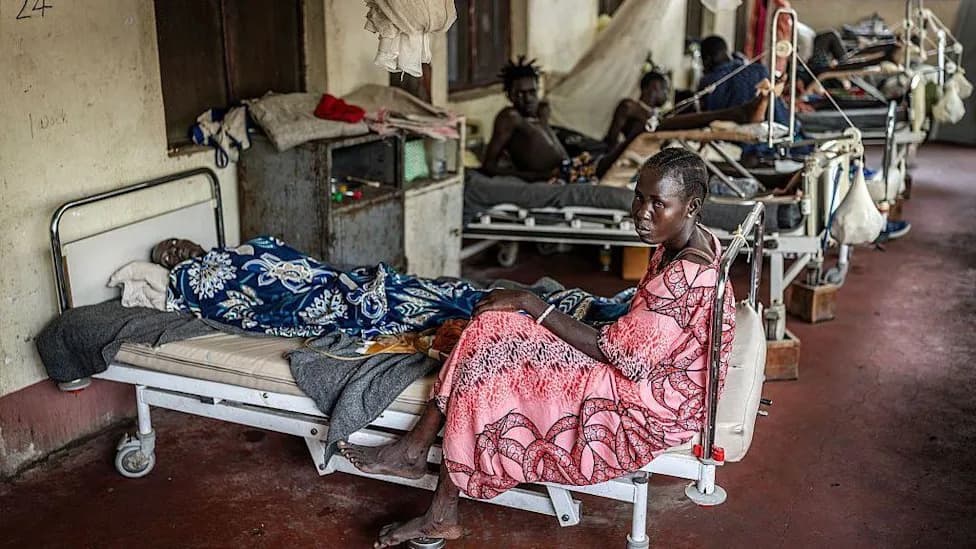
In the Democratic Republic of the Congo, funding shortfalls have weakened efforts to contain a deadly Ebola outbreak, slowing vaccination, surveillance and treatment campaigns. At the same time, rising food and fuel costs—driven by regional conflicts and global market pressures—are complicating logistics and making it harder to deliver relief to conflict-affected countries such as Sudan and Somalia.
"America was the anchor of the global system, and it's no longer the anchor of the global system," Miliband says. "There's now a dawning recognition: if you take away all but the most 'lifesaving' aid, you take massive risks."
Humanitarian agencies and NGOs report that fewer funds force difficult choices between life-saving operations and longer-term programs that prevent crises from worsening. The big questions now are whether the humanitarian system can rebound, which governments or institutions will step into the vacuum, and how to protect fragile progress in places at risk of renewed outbreaks, famine and displacement.
Watch: The interview appears on GZERO World With Ian Bremmer, the weekly global affairs program broadcast on U.S. public television stations and released weekly on GZERO’s YouTube channel. Subscribe and enable notifications to catch new episodes.
Help us improve.