Researchers examined more than 3,700 vertebrae from at least 849 Smilodon fatalis specimens from the La Brea Tar Pits. They found 200+ congenital vertebral malformations, nearly 50 fused vertebrae, and signs of spinal nerve tumors in three individuals. The high incidence of these defects is consistent with inbreeding and population decline near the end of the Pleistocene, though definitive genetic proof is limited by the lack of preserved soft tissue.
Study Finds Saber-Toothed Cats May Have Suffered Inbreeding and Severe Spinal Disease Before Extinction
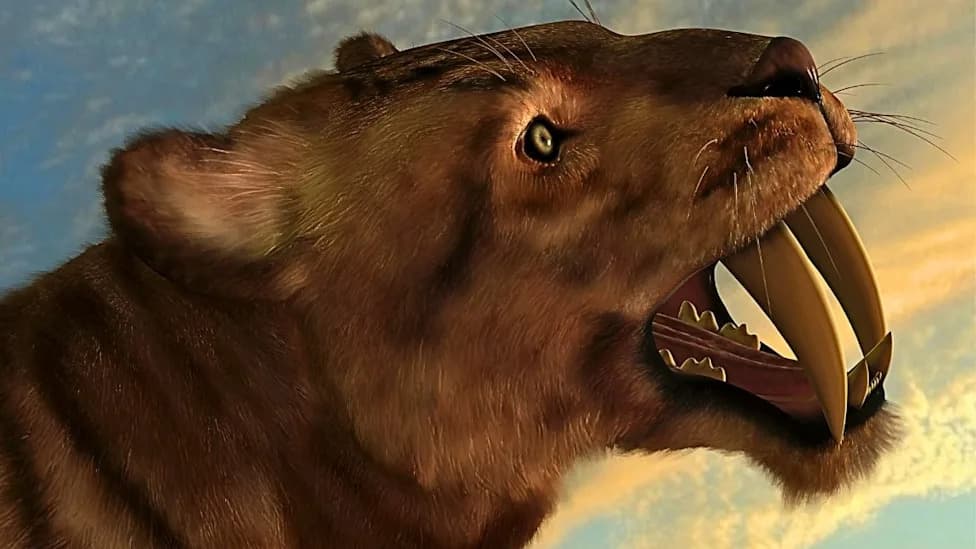
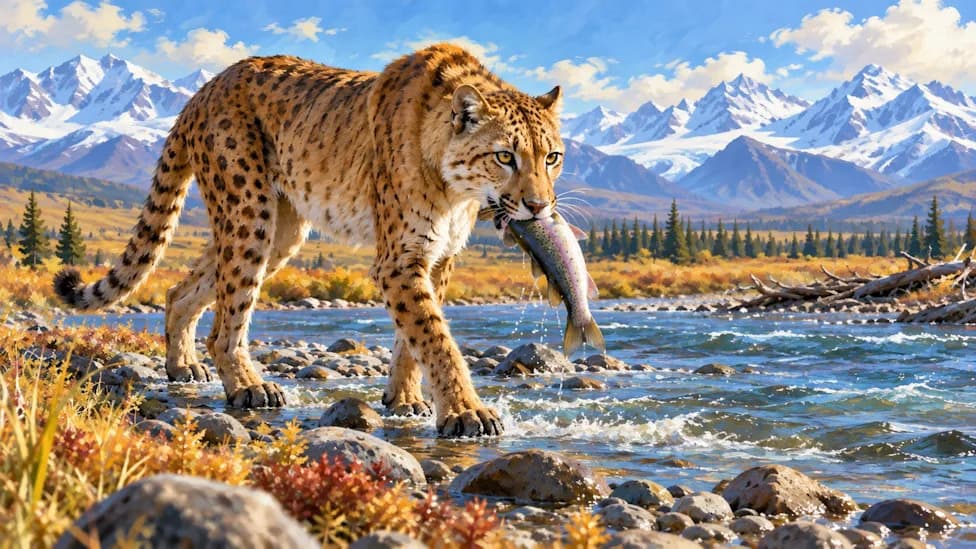
Illustration depicting Smilodon fatalis. (Corey Ford/Stocktrek Images/Getty Images)
New research suggests that Smilodon fatalis—the iconic saber-toothed cat—may have experienced widespread congenital spinal problems and elevated rates of spinal nerve tumors in the final stages of its existence, possibly linked to inbreeding as populations declined near the end of the last Ice Age.
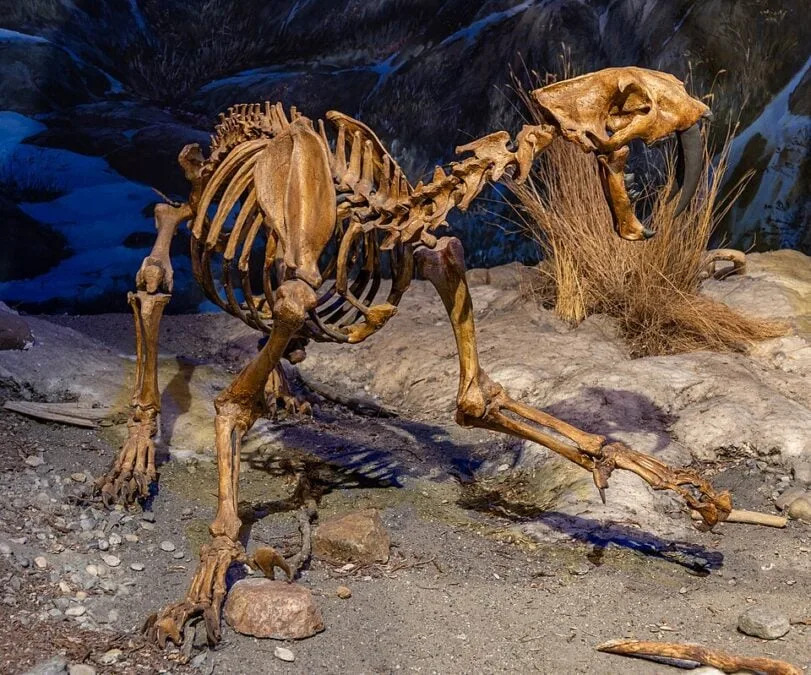
A representation ofS. fatalisat the Royal Tyrrell Museum, Drumheller, Alberta. (Chris Woodrich/Wikimedia Commons/CC BY-SA 4.0)
Study and Methods
Published in Frontiers in Veterinary Science, the study used optical examination and computed tomography (CT) scans to analyze more than 3,700 vertebrae from specimens recovered at the La Brea Tar Pits in Los Angeles. These elements represent at least 849 individual Smilodon fatalis animals and were inspected for signs of trauma, disease, and congenital malformations.

Subscribe to ScienceAlert's free fact-checked newsletter
What the Bones Reveal
The researchers documented a broad spectrum of pathologies. The sample included over 200 congenital vertebral malformations and nearly 50 fused vertebrae, along with evidence of abnormal bone growth and chronic inflammatory changes. In three separate individuals, lumbar vertebrae showed lesions consistent with spinal nerve tumors (SNTs), which in modern mammals are often associated with genetic mutations.
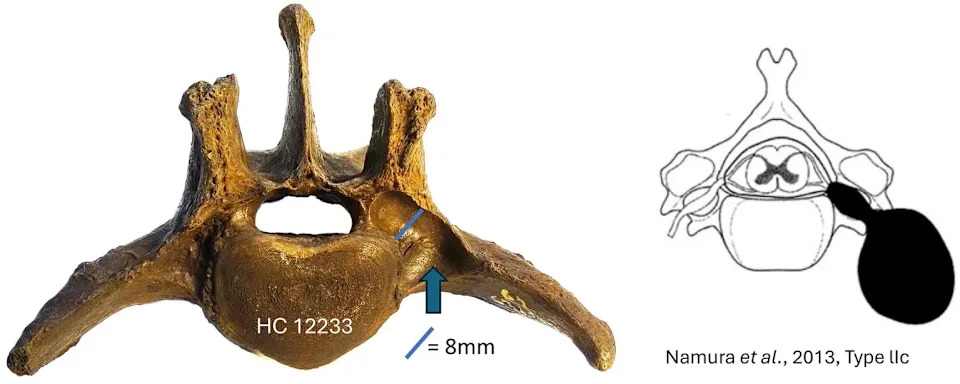
A Smilodon fatalis vertebra, showing signs of an enlarged cavity where a spinal nerve tumor may have grown (green arrow), as well as an illustration of its potential size.(Schmökel et al.,Front. Vet. Sci., 2026)
Notable figure: The team estimated an SNT prevalence of about 353 cases per 100,000 individuals in their sample—orders of magnitude higher than human upper-range estimates (~0.38 per 100,000).
Implications and Limitations
These congenital conditions would likely have impaired mobility, caused pain, or produced muscle wasting—factors that could compromise an ambush predator's hunting ability. The authors propose that declining population size and inbreeding could have increased the frequency of such genetic and developmental defects.
However, the inbreeding hypothesis cannot be confirmed without genetic evidence. The La Brea specimens lack preserved soft tissue, and recovering ancient DNA from such material is currently unlikely. The study places the Smilodon results in a wider context of Pleistocene megafaunal decline: similar patterns of inbreeding and genetic disease have been reported in other species, such as permafrost-preserved mammoths.
Broader Relevance
The findings underscore how shrinking populations can accumulate harmful genetic conditions, adding another dimension to extinction risk. The study is a reminder that modern species facing habitat loss, climate change, and fragmentation may be vulnerable to similar genetic and health problems if population declines are not halted.
Reference
Schmökel et al., Frontiers in Veterinary Science (2026). Data derived from CT and optical analyses of La Brea Tar Pits Smilodon fatalis vertebrae.
Help us improve.