An elderly Connecticut woman lost nearly $600,000 after scammers posing as Apple Support then impersonating West Hartford police convinced her to pack cash into boxes for courier pickup. Investigators say the scammers spoofed the department's caller ID and maintained contact for months. Authorities arrested 26‑year‑old Vishavjit Singh on Aug. 13; he was extradited and charged with first‑degree larceny and interfering with an officer. The FTC and Apple warn that caller ID can be faked and advise people to verify agency numbers independently.
How a Fake Apple Support Call and Spoofed 'Police' Cost an Elderly Woman Nearly $600,000

Image Credit: West Hartford Police.
An elderly Connecticut woman lost nearly $600,000 after scammers posing as Apple Support and then impersonating West Hartford police convinced her to pack cash into boxes for courier pickup. Investigators say the fraudsters spoofed the police department's caller ID and maintained contact with the victim for months before cash pickups were arranged.
What Happened
West Hartford police were notified of the fraud on March 28, 2025. The woman told investigators that an error message had appeared on her laptop claiming it had been hacked. She then received a call from a woman identifying herself as an Apple Support employee who repeated the hacking allegation and said the victim was under criminal investigation.
The victim questioned the caller, as many people are advised to do. The scammer anticipated that response and said a West Hartford police officer would call to confirm the claims. A second incoming call displayed the department's real non‑emergency number, and someone identifying himself as a West Hartford officer corroborated the story. Police later determined the displayed number had been spoofed.
Months of Coercion and Cash Pickups
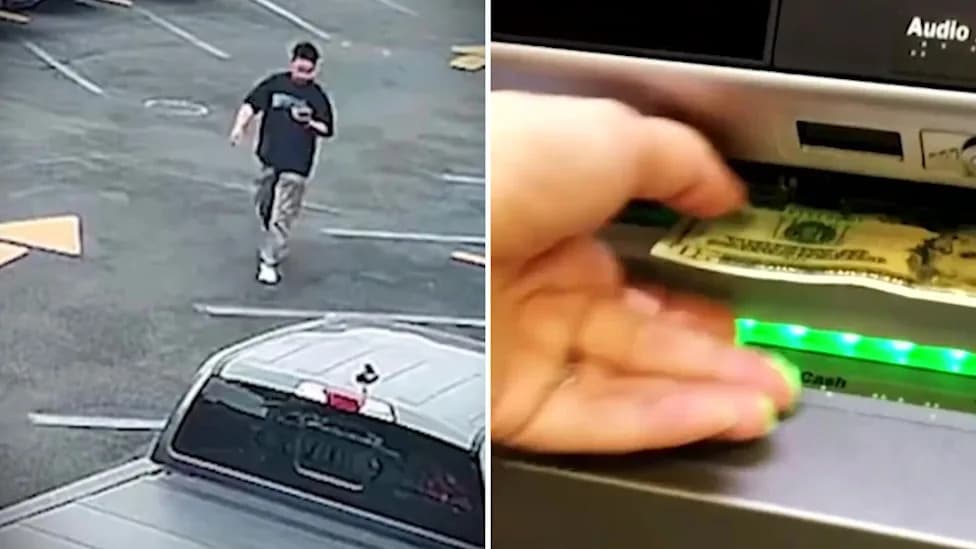
Police say the telephone contact continued for several months. On multiple occasions the woman was told to place large bundles of U.S. currency into boxes and wait for vehicles to arrive and collect them. The total reported loss approached $600,000. Police and federal investigators noted that sending boxes of cash is not a legitimate procedure for Apple Support or for a bona fide police investigation.
Investigation and Arrest
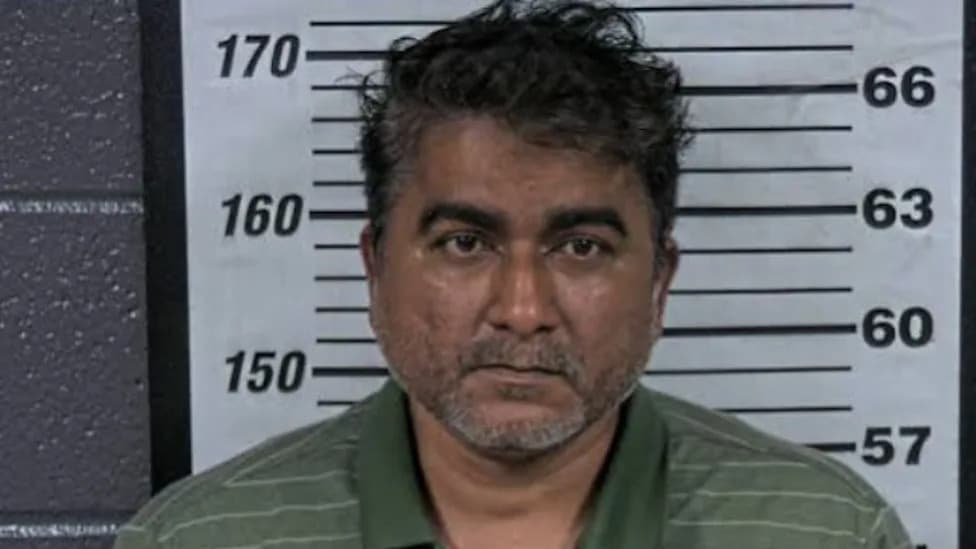
West Hartford police worked with the U.S. Secret Service, the Hartford Police/FBI Financial Crimes Taskforce and the New York Police Department. Investigators eventually identified 26‑year‑old Vishavjit Singh of Queens, New York, as a suspect and obtained an extraditable arrest warrant. Singh was taken into custody in Delaware on Aug. 13, extradited to Connecticut, and charged with one count of first‑degree larceny and one count of interfering with an officer. He was arraigned on Aug. 14 and remained in custody on a court‑set $200,000 bond. Online court records cited by We‑HaList show his next scheduled appearance as Sept. 25.
Police have not specified which calls or cash pickups they allege Singh handled personally. The charges against him are accusations and have not been proven in court.
How the Scam Worked
The fraud combined a tech‑support ruse with caller ID spoofing. Scammers can manipulate caller ID to display legitimate phone numbers so recipients are reassured when a familiar number appears. The scam also used repeated contact and social pressure to convince the victim to transfer physical cash rather than using traceable bank methods.
Consumer Advice: The Federal Trade Commission (FTC) recommends hanging up on suspicious calls claiming to be law enforcement or tech support and independently locating the agency's phone number via its official website. The FTC also notes that legitimate security pop‑ups do not direct users to call a phone number. Apple advises ending suspicious calls and contacting Apple only through official support channels.
Tips To Protect Yourself
- Never give control of your computer to an unsolicited caller or follow instructions to withdraw or pack cash.
- Do not trust a caller because a local agency's number appears on your screen; hang up and call the agency using a number from its official website.
- Ask for case numbers and officer identification, then verify them independently with the agency.
- Report suspected scams to local police and the FTC immediately.
This incident serves as a reminder that scammers use sophisticated tactics, including caller ID spoofing and staged confirmations, to overcome victims' skepticism. Law enforcement and consumer agencies continue to warn the public and offer steps to reduce risk.
Help us improve.