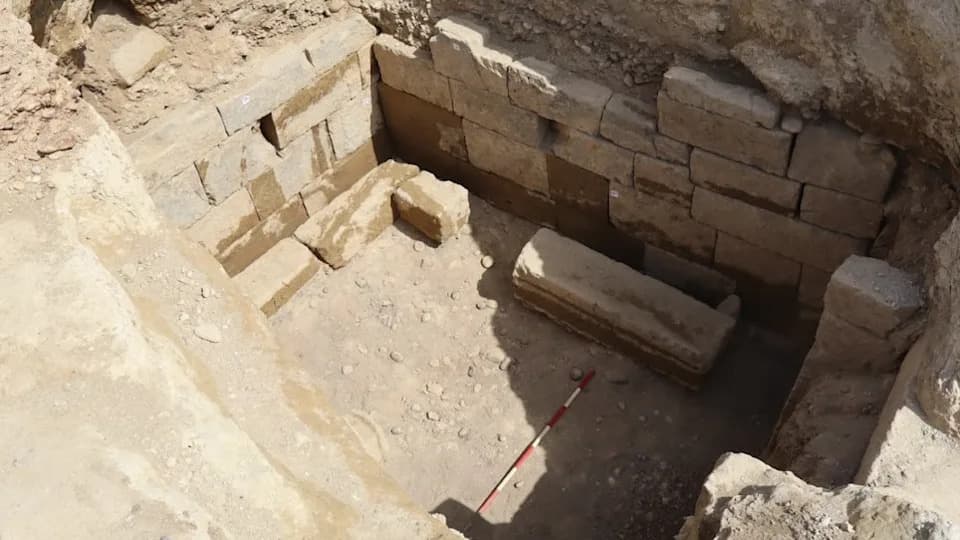
Conservation work at Carrarzu Iddia in central‑western Sardinia revealed a previously unknown Giant's Tomb concealed for nearly 4,000 years. The monument—linked to the Nuragic culture c. 1800 B.C.—features a stone exedra and trachyte block construction and sits on a prominent slope above the Macomer plain. Surveyors documented an associated complex of protonuraghi, a sacred well and settlement traces, and noted a rare second internal level near the entrance that may shed new light on Nuragic funerary practices.
4,000-Year-Old Giant's Tomb Revealed on Sardinia’s Crastu Littu
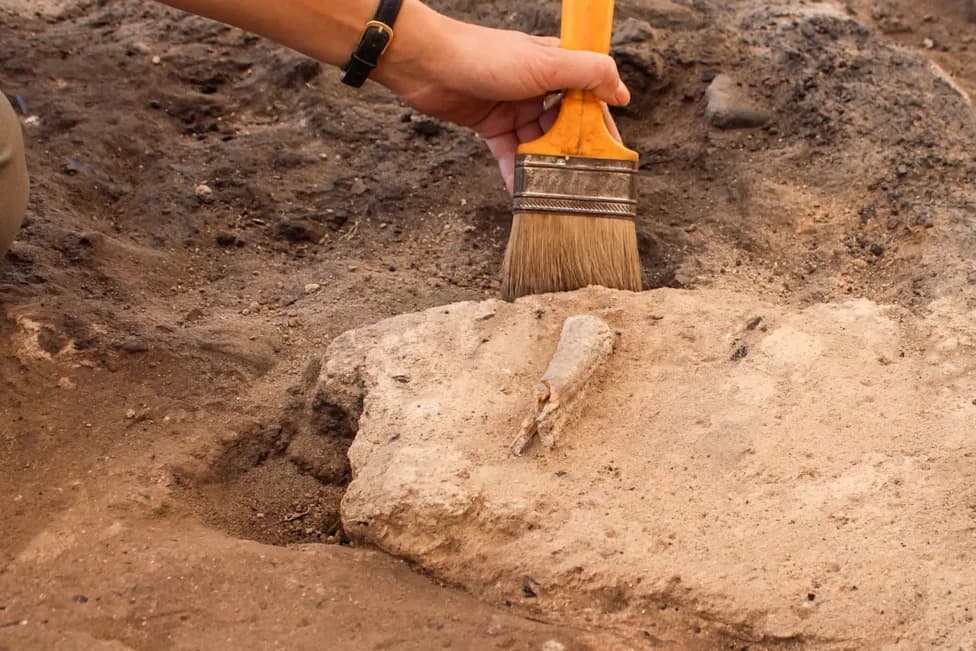
Photo Credit: iStock
Italian archaeologists have exposed a previously unknown megalithic burial monument on Sardinia after nearly four millennia hidden beneath vegetation and soil. The newly identified Giant's Tomb, found during a conservation project at the Carrarzu Iddia complex in central‑western Sardinia, offers fresh insight into the island's Bronze Age Nuragic civilization.
Discovery and Setting
The tomb was uncovered while teams worked around a nearby nuraghe. Dense brush and accumulated debris had concealed the structure for centuries—a condition researchers now believe helped preserve the monument's stonework. The tomb stands roughly 800 yards up the southern slope of Crastu Littu, occupying a commanding position with broad views over the Macomer plain, adjacent highlands and the Gulf of Oristano.
Architectural Features
With help from local landowners, archaeologists cleared the overgrowth and documented hallmark features of Giant's Tombs: a stone exedra framing the entrance and walls built from large trachyte blocks. Surveyors also noted an uncommon secondary internal level near the entrance—an architectural detail described by researchers as rare for this monument type and potentially important for understanding Nuragic construction methods and funerary practice.
Wider Context
Survey work shows the tomb was part of a larger ceremonial and inhabited complex that includes protonuraghi, a sacred well, traces of settlement and an extensive burial area. The Carrarzu Iddia site records human activity spanning pre‑Roman, Roman and later periods, suggesting long-term significance for the location.
Dating and Significance
Giant's Tombs were erected by Nuragic communities beginning around 1800 B.C., and while their popular name evokes mythic giants, the monuments are communal burial structures notable for their scale and formal design. Finds from careful excavation—such as ceramics—can help establish dates and reveal patterns of occupation, trade and ritual.
Conservation Concerns
Officials reported signs that parts of the monument may have been disturbed by illegal digging, a reminder that looting can irreversibly destroy archaeological context. The discovery at Carrarzu Iddia highlights both the fragility of such sites and the value of methodical conservation and excavation led by Sardinia's Superintendencies of Archaeology, Fine Arts and Landscape.
Researchers described the location as "of particular interest" and highlighted the second internal level as a rare feature that could reshape understanding of Nuragic funerary architecture.
As professional teams continue survey and excavation work at Carrarzu Iddia, the Giant's Tomb on Crastu Littu promises to enrich understanding of how Bronze Age Sardinians organized burial customs, settlements and landscape use.
Help us improve.