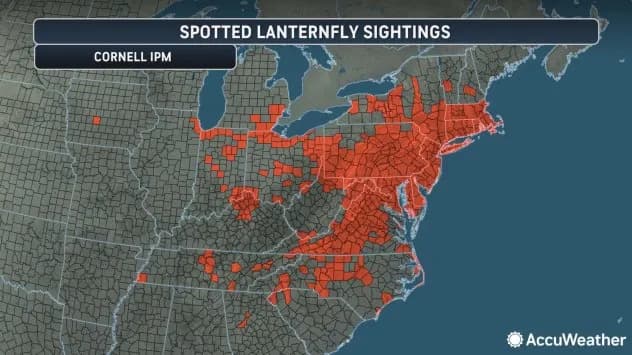
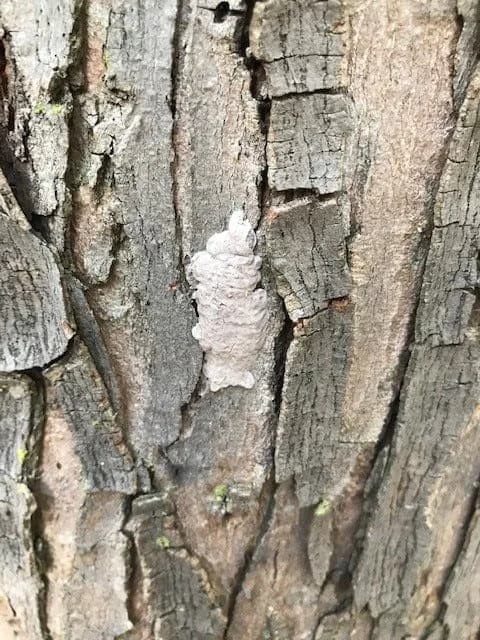
Rising summer temperatures in North Carolina may speed the development and spread of invasive insects such as the spotted lanternfly and emerald ash borer. Warmer conditions accelerate insect life cycles and, together with climate stresses like drought and storms, make trees and crops more susceptible to attack. The spotted lanternfly—first found in North Carolina in 2022—feeds on more than 100 plant species and can produce honeydew that attracts wasps and promotes sooty mold. Officials warn these trends could increase pressure on agriculture, forestry and landscaping.
Warmer North Carolina Summers Could Accelerate Spread of Spotted Lanternflies and Other Invasive Insects
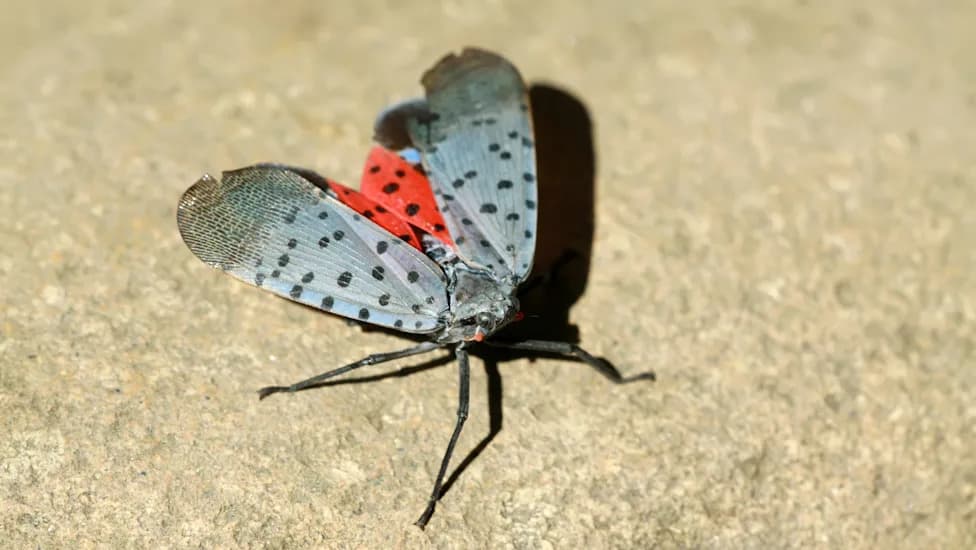
Photo Credit: iStock
Warmer summers in North Carolina could bring more than just discomfort: higher temperatures may help invasive insects survive, reproduce faster and expand into new areas, while also making the plants and trees they feed on more vulnerable.
Kelly Oten, an assistant professor and extension specialist in forest health at North Carolina State University, told WWAY that temperature directly influences how quickly invasive insects mature and disperse. "Insects are cold-blooded, so their development depends on the temperature around them. When it's warmer, insects will likely develop at a faster rate," she said.
Spotted Lanternfly: A Growing Concern
The spotted lanternfly, first detected in North Carolina in 2022, is already established in parts of the state. This pest feeds on more than 100 plant species, including grapevines and many common landscaping plants. Infestations can become a major nuisance for homes, farms and businesses.
A Pennsylvania State University estimate cited by media suggests spotted lanternflies could cost Pennsylvania's agricultural industries roughly $324 million a year. After feeding, lanternflies excrete sticky honeydew that attracts wasps and can lead to sooty mold on plants and surfaces, increasing the pest's nuisance and economic impact.
Other Invasive Threats: Emerald Ash Borer
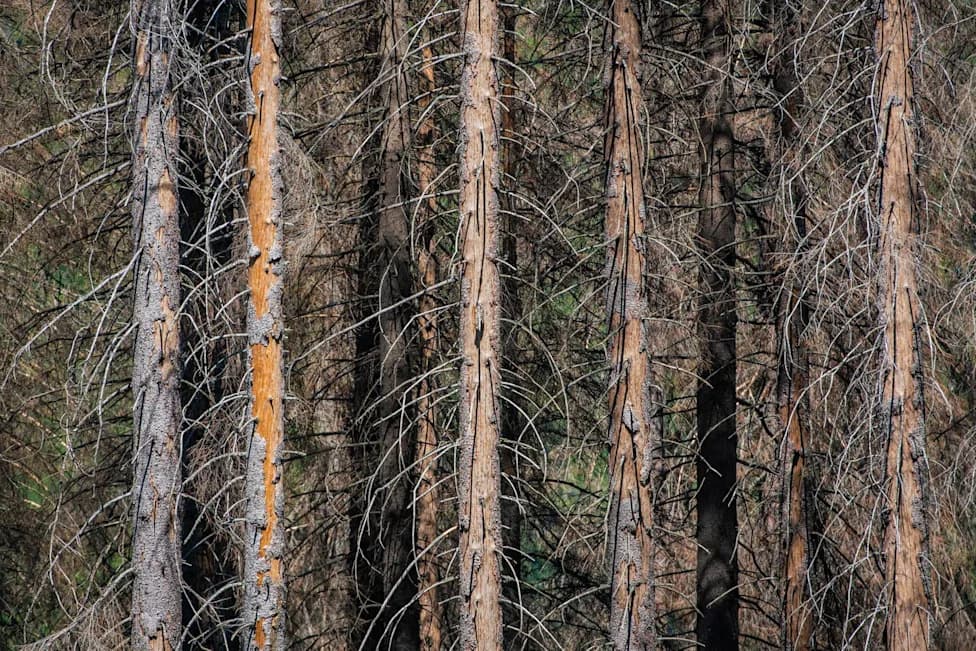
Experts in North Carolina are also watching the invasive emerald ash borer. Its larvae tunnel under the bark of ash trees, disrupting the movement of water and nutrients. More than 150 million ash trees across North America have been killed by this beetle, according to reports cited by WWAY.
Climate Stress Makes Trees More Vulnerable
Oten and other experts note that rising temperatures are only part of the problem. Climate-related stresses such as drought, extreme heat, storms and flooding can weaken trees and reduce their natural defenses. "When trees are stressed, they emit signals that attract pests, and weakened trees are easier for insects to attack," Oten told WWAY.
State and extension officials warn that the combination of warming conditions and existing invasive species could increase pressures on forestry, agriculture and landscaping across the region. Property owners who find unfamiliar insects or signs of infestation are encouraged to contact their county extension office or state forestry officials for identification and guidance.
Help us improve.