Britain’s new prime minister must decide whether to permit further North Sea oil and gas development while maintaining Labour’s climate commitments. Jackdaw and Rosebank are in legal limbo after courts voided earlier approvals, and the government is likely to wait for public consultations. Industry argues domestic production helps short-term supply, but international agencies and independent researchers warn new drilling would undermine climate goals and deliver limited jobs or price relief.
North Sea Showdown: Can Britain’s New PM Balance Climate Pledges With Oil and Gas?
The Battle Over North Sea Oil Is Heating Up Under Britain’s New PM
Britain’s new prime minister faces a high-stakes decision over whether to greenlight further North Sea oil and gas development or to uphold Labour’s climate commitments. Two major projects—Jackdaw (a gas development) and Rosebank (an oil field)—remain in legal limbo after a court ruled earlier approvals unlawful. With public consultations ongoing and rising public concern about climate-driven heatwaves and wildfires, the government’s next move will test its claims on both energy security and net-zero ambitions.
Where Jackdaw and Rosebank Stand
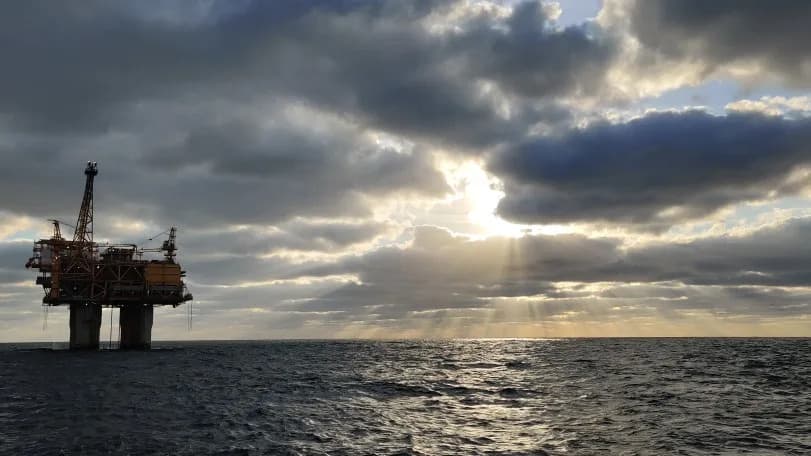
Jackdaw and Rosebank were approved under the prior Conservative administration, but courts have since voided those consents, creating uncertainty over whether any renewed approvals would count as "new" licences. Jackdaw is frequently described as a "tie-back," meaning it could connect to existing platforms and infrastructure and therefore come online faster. Rosebank is larger and more controversial because of its scale and carbon intensity.
Political Stakes and Positions
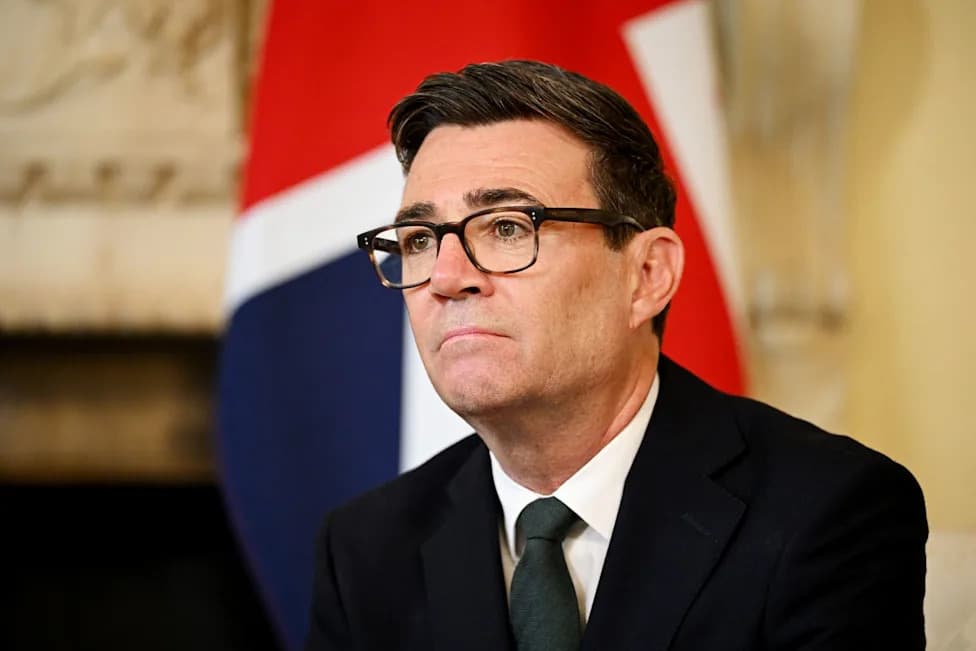
Prime Minister Andy Burnham has signalled a pragmatic approach, saying the government will take public consultations and practical concerns into account before reaching a decision. He has appointed Miatta Fahnbulleh—an experienced climate advocate—as Secretary of State for Energy Security and Net Zero, underlining that decarbonisation remains on the agenda.
Labour’s 2024 manifesto pledged not to issue new North Sea licences while promising not to revoke existing licences. That distinction is crucial now because the legal nullification of prior approvals raises the question of whether jackdaw and Rosebank would be treated as "new" developments.
Arguments For and Against New Drilling
Industry: Energy companies and some policymakers argue that domestic oil and gas support short-term energy security and supply. BP’s CEO Meg O'Neill argued that until the UK transitions further, domestic production can play a role in meeting demand; industry statements note the country still gets a large share of its energy from fossil fuels.
Critics: International agencies and climate campaigners counter that approving fresh fossil fuel projects undermines climate targets and diverts investment from renewables and grid upgrades. The International Energy Agency has warned against new oil and gas expansion, and the UK Energy Research Centre called claims that North Sea drilling will deliver resilience and affordability "a delusion." Independent assessments suggest Jackdaw could create only a small number of direct jobs—around 27 full-time positions—and would do little to reduce consumer energy bills or secure long-term supply.
UN Secretary-General António Guterres warned that "every new fossil fuel project" makes heatwaves and other climate impacts more dangerous.
What Comes Next
The government is expected to wait for the results of public consultations and legal clarifications before announcing a formal decision. Insiders suggest a possible compromise: allowing smaller tie-back gas projects such as Jackdaw to proceed while subjecting larger, higher-emissions projects like Rosebank to stricter scrutiny or rejection.
Ultimately, the decision will force Labour to balance short-term energy needs, regional economic concerns and its long-term climate commitments. It also risks internal party tensions if MPs and activists who demand faster decarbonisation perceive any approval as a breach of manifesto commitments.
Bottom line: The outcome will shape the UK’s energy trajectory—either reinforcing a transition toward renewables and grid investment or prolonging reliance on North Sea fossil fuels with limited economic upside and significant climate risk.
Help us improve.