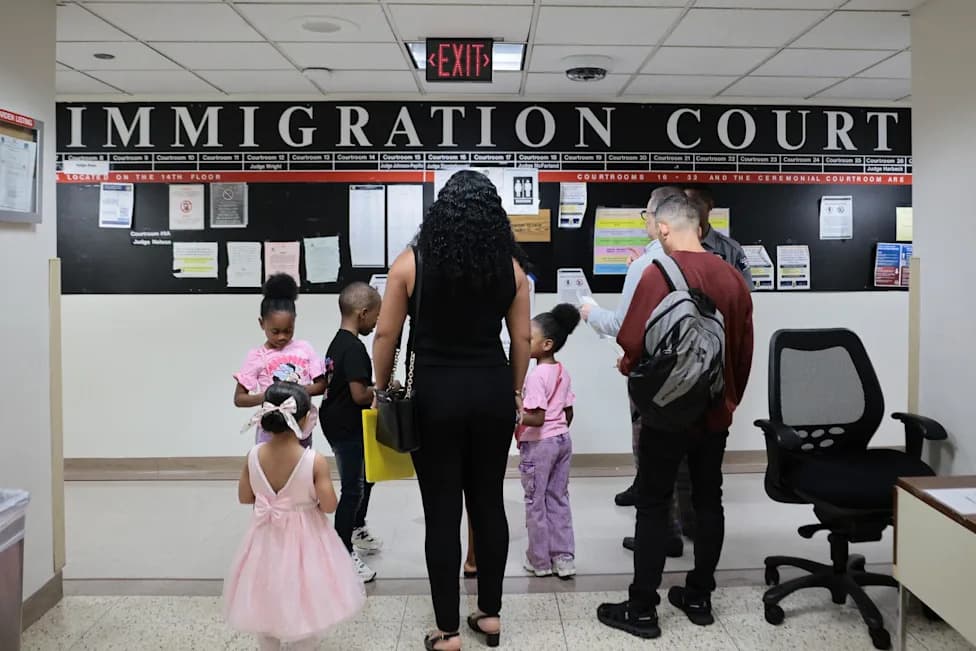
In mid‑July at the federal immigration courthouse in San Antonio, routine courtroom logistics became life‑altering for dozens of people. A newly appointed judge rapidly moved through a packed docket, noting multiple no‑shows who could be ordered removed "in absentia" — deported without being present to defend themselves. That scene illustrates a nationwide trend: the expansion of large, last‑minute master calendar hearings that critics say prioritize speed and removals over due process.
How the System Has Changed
Master calendar hearings are typically brief, administrative appearances where judges read rights, check addresses, offer continuances and give people a chance to request counsel. Historically these sessions held roughly 20 cases at a time. Over the past 18 months, federal officials have increasingly scheduled very large dockets — sometimes 100–200 cases in a single session — often with short lead times and notices sent only in English.
Key Drivers Of Missed Hearings
- Short or Faulty Notice: Median lead time for non‑detained respondents dropped to about 42 days in June; notifications still rely on postal mail and are frequently returned or delayed.
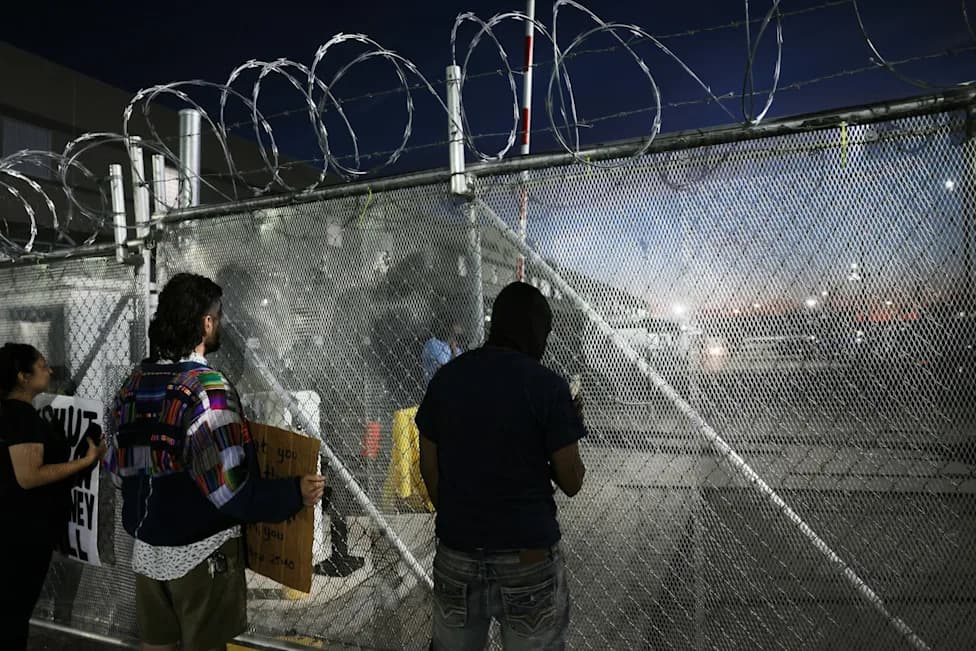
- Fear Of Courthouse Enforcement: High‑profile arrests near courtrooms have made many immigrants reluctant to approach hearings, even though a federal judge later blocked the practice.
- Lack Of Counsel: Condensed timelines make it difficult to secure legal representation. Free clinics are overwhelmed and private attorneys are costly.
Consequences
When respondents do not appear, judges issue in absentia removal orders. In June, immigration judges issued 53,808 removal orders in absentia — a majority of case completions for that month — and more than 13,000 of those came from master calendar sessions with 100 or more people scheduled. Researchers have documented a 183.6% jump in in absentia orders and a 28.6% rise in non‑detained respondents appearing for master calendars compared with June 2024.
"There's people that are walking around, going about their business, without realizing that they have a removal order on their record," said Katie Fleming, director of public education and engagement at the Acacia Center for Justice.
Reversing an in absentia order is difficult. A typical motion to reopen often requires a $1,065 filing fee, supporting evidence, and legal argument — and it can be hard to find an attorney willing or able to take the case on short notice.
Institutional Shifts
Advocates and some former judges say the Executive Office for Immigration Review (EOIR) has shifted from functioning as an independent adjudicative body toward operating as part of a broader enforcement strategy. EOIR notes it is adding judges and prioritizing timely case completion, but critics point to the firing, resignation or retirement of more than 100 immigration judges since the current administration began and to sharply reduced grant rates: in June, fewer than 2% of completed cases resulted in relief such as asylum.
What This Means
Combined, these changes make it harder for people to receive individualized adjudication of their claims and easier for removal orders to be entered en masse. Advocates warn that mass master hearings, curtailed notice, courthouse enforcement and rapid in absentia orders create a system where many immigrants are removed without a meaningful opportunity to be heard.
Sources and Data: court observations, interviews with advocates and former judges, and analysis from researchers at bklg.org; EOIR public statements.