ProPublica found that corporate shields, bankruptcy strategies, and regulatory gaps allow some oil operators to avoid paying for environmental cleanups, shifting costs to states and taxpayers. The report highlights Tom Ragsdale’s Siana, tied to at least 16 spills and a judgment exceeding $3.5 million while the state recovered only about $50,000. A federal formula error and strong industry influence in Washington have compounded the problem, forcing state-level responses that cannot solve the nationwide scale of abandoned or leaking wells harming vulnerable communities.
How Oil Firms Use Legal Loopholes to Shift Cleanup Costs onto Taxpayers
G B Hart/Shutterstock
This year’s volatile oil market and geopolitical tensions have overshadowed a persistent problem: many oil companies and executives use legal and financial structures to avoid paying for the environmental cleanup their operations require. Investigative reporting by ProPublica documents how corporate shields, bankruptcy strategies, and regulatory gaps leave states and communities to shoulder the costs.
Case Study: Tom Ragsdale and Siana
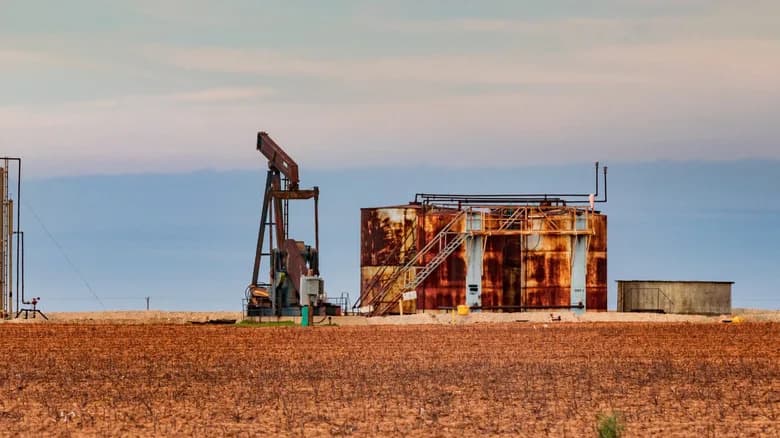
Tom Ragsdale created a corporate shell called Siana that collected profits from oil and gas production while insulating him from liabilities. Regulators tied Siana to at least 16 spills and found Ragsdale failed to pay royalties and rental fees owed to New Mexico. The state sued in 2016 for roughly $284,000; after Ragsdale lost the case, the judgment including cleanup costs and interest exceeded $3.5 million. New Mexico recovered only about $50,000 — roughly 1.5% of the total assessed — and Siana later declared bankruptcy with potential claims near $10 million.
Systemic Problems and Policy Failures
ProPublica also uncovered broader issues in the U.S. regulatory framework. A formula error in a past federal policy increased cleanup burdens on Americans by an estimated $400 million. Meanwhile, political ties between industry and policymakers, coupled with active industry lobbying, have made meaningful reform difficult at the federal level.
Garykavanagh/Getty Images
Industry Influence
Industry groups shape policy messaging. For example, Kathleen Sgamma, president of the Western Energy Alliance, has promoted expanded drilling into undeveloped habitats and contributed to Project 2025’s energy recommendations. Such advocacy helps preserve loopholes that allow operators to shelter assets and shift liabilities.
State Responses And Limits
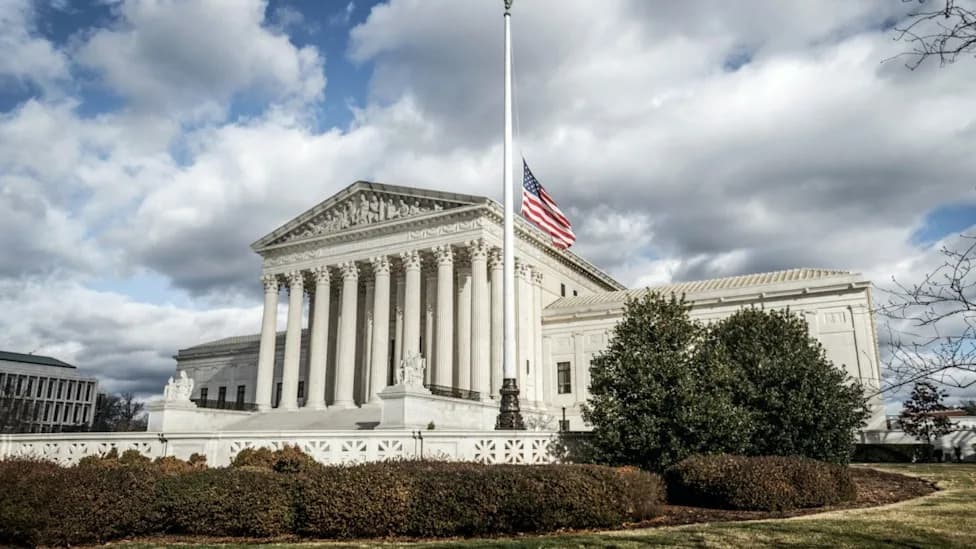
With federal reform stalled, states have stepped in. In New Mexico, public land manager Garcia Richard temporarily paused new leasing to press for higher, market-reflective royalties and stronger financial assurances. These state actions can help locally but cannot fully address a nationwide pattern of operators leaving remediation costs unpaid.
Human And Environmental Consequences
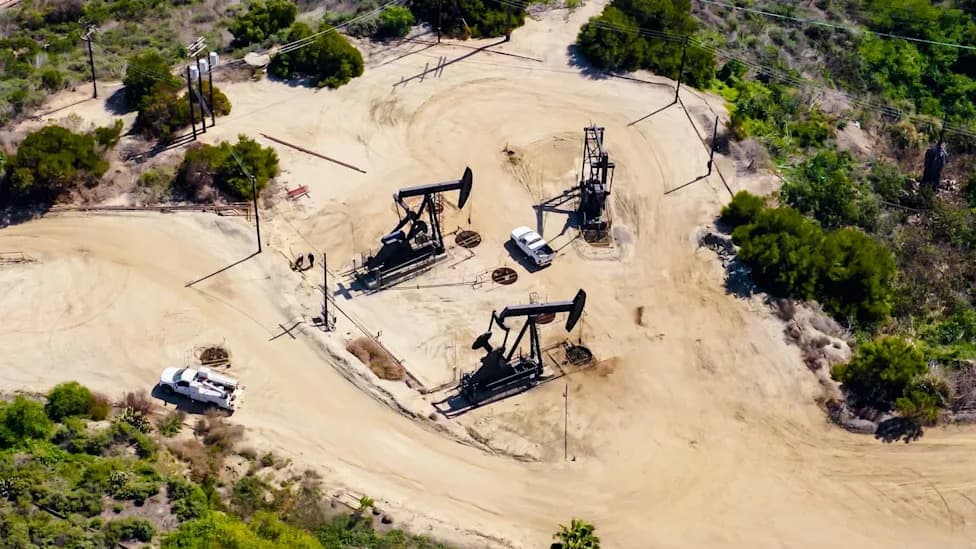
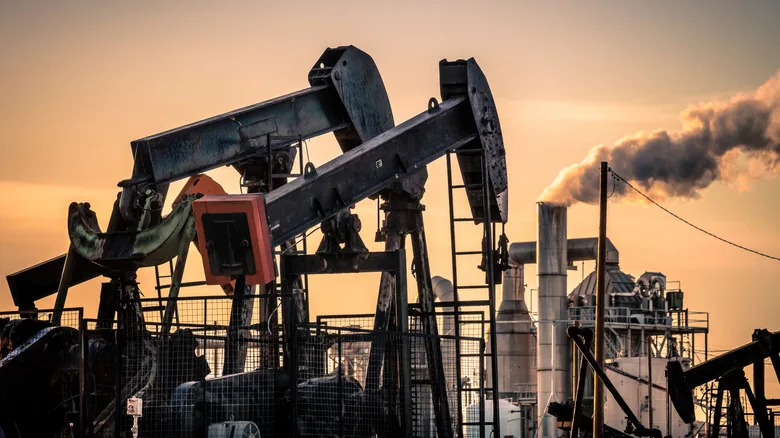
Legacy wells pose real hazards. In places like Los Angeles, many decommissioned or abandoned wells remain unresolved and contaminate adjacent neighborhoods. Some are hidden behind structures resembling buildings, schools, or playgrounds, making the risks less visible. These problems disproportionately affect low-income communities and create long-term health and environmental damage.
Bottom line: ProPublica’s investigation shows how corporate shields, regulatory mistakes, and political influence combine to let some operators reap profits while leaving states and residents to pay for cleanup.
For the full investigative reporting and detailed examples, consult the original ProPublica piece and accompanying illustrations.
Help us improve.