The U.S. Navy is exploring a potentially expensive redesign of Gerald R. Ford–class carriers to reflect President Trump’s preference for a World War II–style look, chiefly by moving the ship’s "island" forward to midship. Sources say such a change could add billions in costs and disrupt construction timelines. The proposal comes as the Navy also faces pressure to revert to steam catapults from modern electromagnetic launch systems, another multibillion‑dollar shift.
U.S. Navy Weighs Costly WWII‑Style Redesign to Match Trump’s Preference, Report Says
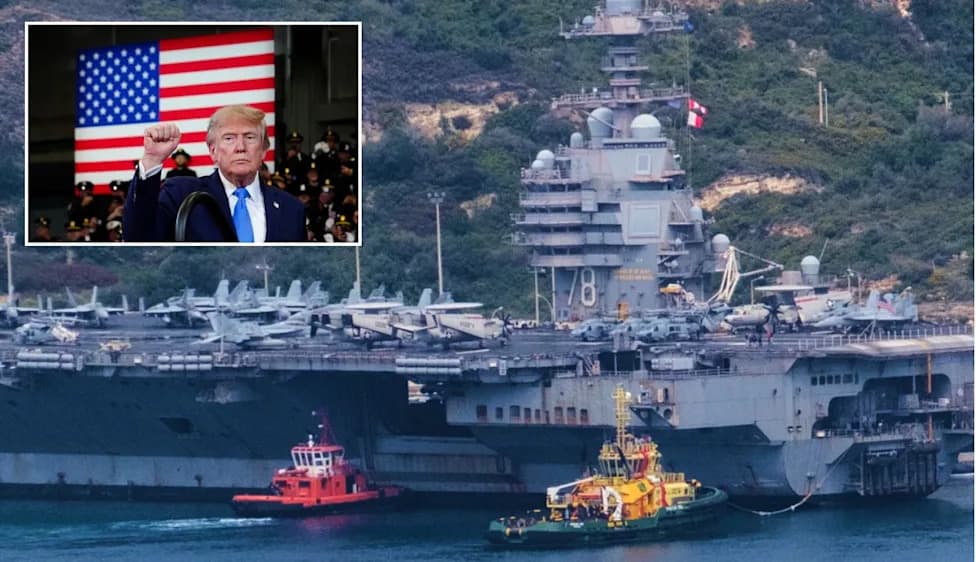
Julia Demaree Nikhinson/Giannis Angelakis/AP Photos
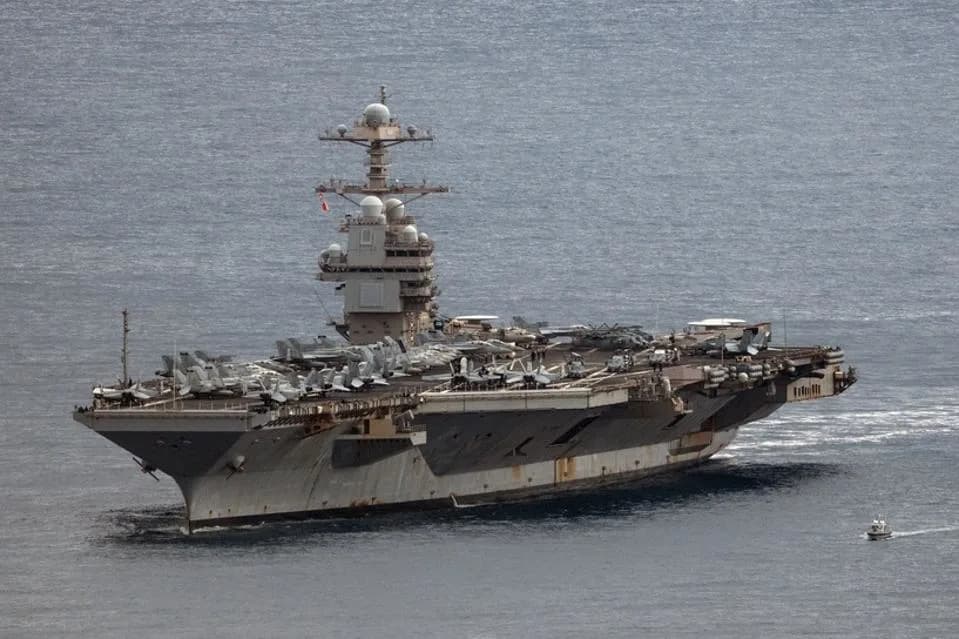
The U.S. Navy is assessing a potentially expensive redesign of several upcoming Gerald R. Ford–class aircraft carriers to reflect President Donald Trump’s preference for a World War II–era appearance, The Washington Post reports. Officials say the proposed changes would be technically possible but highly disruptive and expensive.
What Would Change?
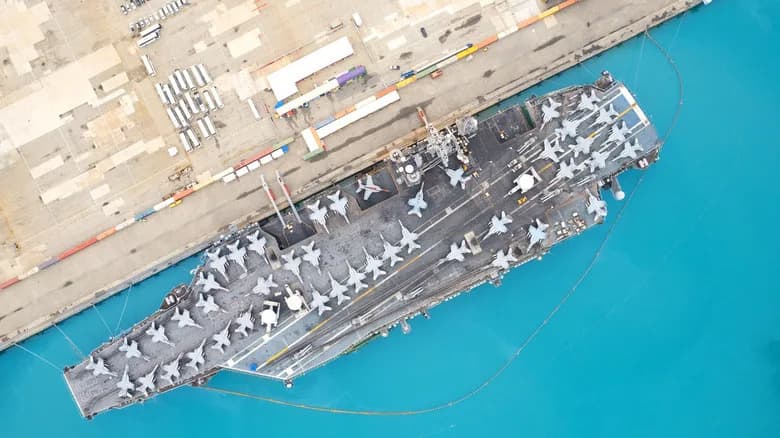
One of the primary alterations under consideration would relocate the carrier's multi‑story command tower — the "island" — forward to roughly midship, mirroring the layout commonly used on World War II carriers. The island houses the ship's navigation and flight‑deck control centers and is a major structural and systems hub.
Costs and Construction Impact
Sources told The Washington Post that redesigning ships already under construction could add billions of dollars in cost and significantly delay delivery. The Navy currently has three Gerald R. Ford–class carriers in development or nearing service — the USS John F. Kennedy is closest to commissioning, while the USS Enterprise and USS Doris Miller remain under construction. The service has discussed plans for as many as 10 additional Ford‑class carriers, with lifecycle costs reported at roughly $22 billion apiece.
"It came back that the cost and time to do so would just be extraordinary," a former official told The Washington Post.
Naval experts caution that moving the island would require redesigning internal systems, flight‑deck operations, and the ship’s structural layout — work that is disruptive when ships are already in production. "You could change it but it's very disruptive," said Bryan Clark of the Hudson Institute.
Related Orders and Broader Debate
The discussion about the island’s placement follows reports that President Trump ordered the Navy to consider reverting from modern electromagnetic aircraft launch systems (EMALS) back to steam‑powered catapults — another change that analysts say would cost billions and complicate current forward progress on Ford‑class construction.
Officials and experts emphasize that while aesthetic or configuration preferences can be accommodated in theory, the practical costs and schedule risks of altering ships midbuild are major obstacles. Any decision would have notable budgetary and operational implications for the carrier program and the Navy's long‑term shipbuilding plans.
Help us improve.