President Trump is facing rising pressure from Republican lawmakers, strategists and MAGA figures to wind down the Iran war as the midterm elections approach. The conflict has coincided with higher inflation and gas prices and has raised the U.S. military death toll to 17, amplifying voter concern. Internal GOP guidance urges messaging focused on easing fuel costs, while negotiations involving Iran and Oman over the Strait of Hormuz offer a possible diplomatic path. Lawmakers say fully "ending" tensions with Iran may be unrealistic; "managing" the relationship could be the more attainable goal.
GOP Pressure Mounts on Trump to End Iran War as Midterms Near
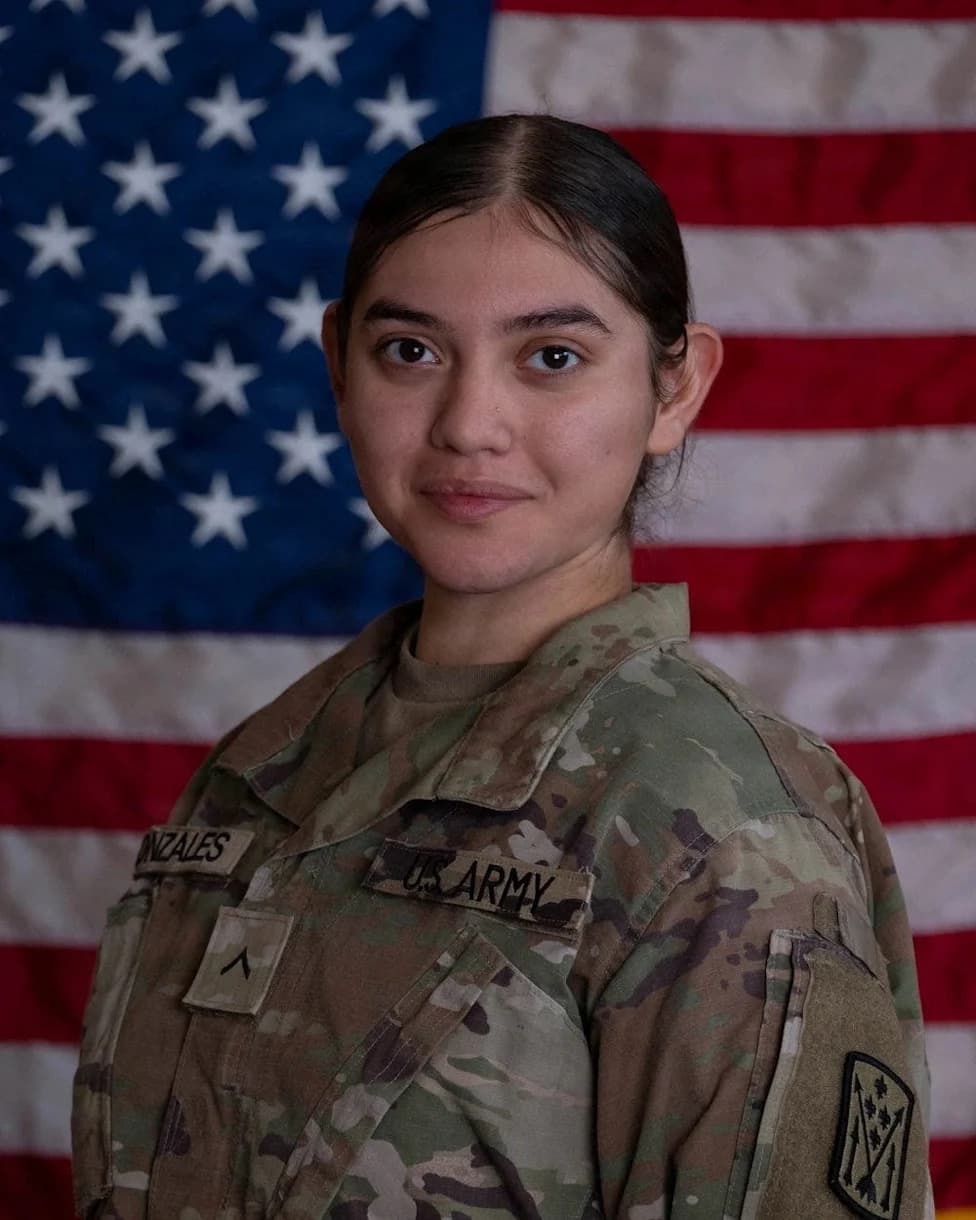
Two American soldiers were killedin an attack in Jordan, including Isabella Gonzalez, raising the U.S. military death toll in the Iran war to 17.Pvt. Gonzales, killed in action in an Iranian attack on Muwaffaq Salti Air Base, Jordan, in this image taken at a location given as Germany, released on July 20, 2026.(10th Army Air and Missile Defense Command/Handout, via Reuters)
President Donald Trump faces growing pressure from within the Republican Party to find a pathway out of the war with Iran as the midterm elections approach and voters grow increasingly concerned about rising costs and U.S. casualties.
Political Backlash and Messaging Strains
Republican officials, strategists and prominent MAGA-aligned figures have voiced frustration with what they describe as inconsistent White House messaging on the conflict. With Election Day fewer than three months away, GOP lawmakers worry the war is a political liability that could cost them control of Congress.
"It's one of those issues where there's almost no upside," said GOP pollster Brent Buchanan, summarizing the political risk the conflict poses to Republicans.
U.S. Casualties and Human Cost
The U.S. military death toll in the Iran conflict has reached 17 after recent attacks. Among the service members reported killed or missing in recent months were:
- Pvt. Isabella Gonzalez, killed in an attack on Muwaffaq Salti Air Base, Jordan (reported July 2026).
- 1st Lt. Tyler James Feehan, 25, 2nd Battalion, 55th Air Defense Artillery Regiment — killed July 18 in Jordan.
- Cmdr. Gabriel Edwards, presumed dead after a U.S. Navy helicopter made an emergency landing in the Arabian Sea (July 1).
- Major John "Alex" Klinner, 33, died March 12, 2026, in a U.S. aircraft crash in Iraq.
- Sgt. 1st Class Noah Tietjens, killed March 1, 2026, in Kuwait, the Pentagon said.
- Other reported casualties include Capt. Seth Koval, Capt. Curtis Angst, Tech. Sgt. Tyler Simmons and Chief Warrant Officer 3 Robert Marzan.
Economic Impact and Voter Concern
Republicans and independent voters increasingly link the conflict to rising consumer costs. Inflation was 3.4% last month, and gas prices have climbed above $4 per gallon — both issues that weigh heavily with voters worried about affordability.
Internal Senate Republican messaging guidance acknowledged the political sensitivity of fuel prices and advised senators to express concern and promise to help bring prices down as families head to the polls.
Division Within the GOP
While many Republican lawmakers publicly back the administration's strategy, influential MAGA figures and conservative commentators have urged the president to prioritize domestic issues and end or de-escalate the conflict. Voices urging disengagement — including some former administration allies — warn that a protracted war threatens the president's "no new wars" credibility and could erode support among younger and working-class voters.
At the same time, hawkish conservatives press for continued pressure on Tehran, arguing that a premature withdrawal could leave the region and U.S. interests vulnerable.
Diplomacy, the Strait of Hormuz and What 'Ending' Means
The White House has alternated between threats of escalation and diplomatic overtures. A preliminary agreement signed in June unraveled amid disputes over control of the Strait of Hormuz. Negotiations involving Iran and Oman about a shipping channel through the strait are ongoing, though the United States is not a direct party to those talks.
Sen. Jim Risch, chairman of the Senate Foreign Relations Committee, urged realism about the prospects for a clean end to tensions with Iran, saying that "managing" relations may be a more attainable objective than declaring the conflict over.
What It Means for November
Polling shows growing public discontent: the RealClearPolitics polling average put approval of Trump's handling of the conflict at roughly 36% nationwide, and an AP-NORC survey found Republican approval slipping as well. Democrats have pledged to make the war a central issue on the campaign trail, arguing the conflict will be a referendum on the administration's foreign policy and economic stewardship.
The coming weeks are likely to intensify pressure on the White House to provide strategic clarity — whether through a clearer exit strategy, a sustained diplomatic pathway, or a compelling explanation of why continued military pressure remains necessary.
Contributing: Swapna Venugopal Ramaswamy
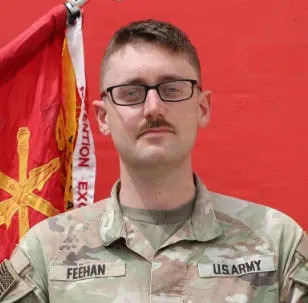
1st Lt. Tyler James Feehan, 25, 2nd Battalion, 55th Air Defense Artillery Regiment, 32nd Army Air and Missile Defense Command, was killed in action July 18 during an enemy attack at Muwaffaq Salti Air Base, Jordan.(Brooke Parcus, U.S. Army Space and Missile Defense Command)
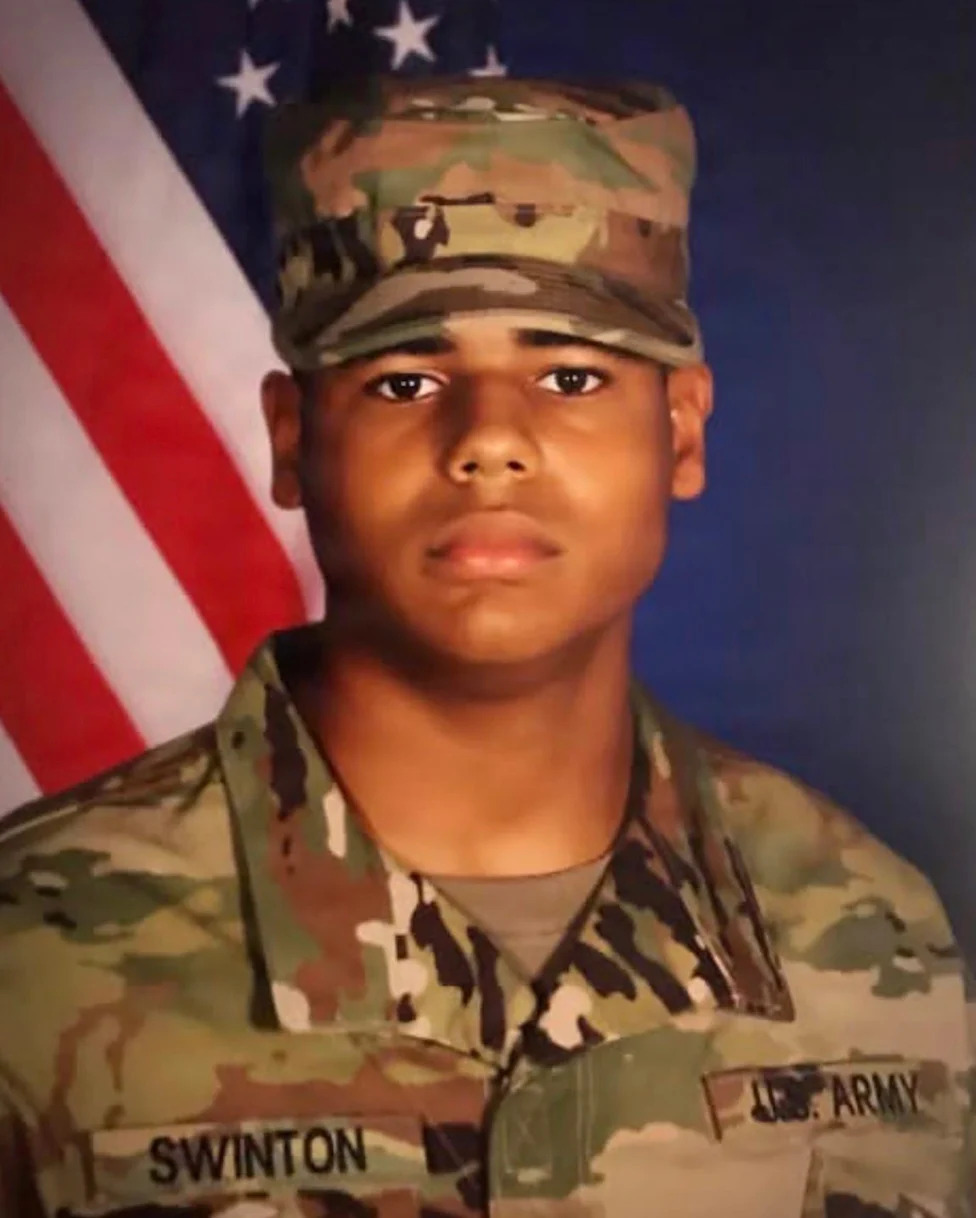
Sgt. Michael Emmanuel Swinton, 30, was killed in action during a controlled detonation of a downed One-Way Unmanned Aerial System July 19, 2026, at Erbil Air Base, Iraq.(Brooke Parcus, U.S. Army Space and Missile Defense)
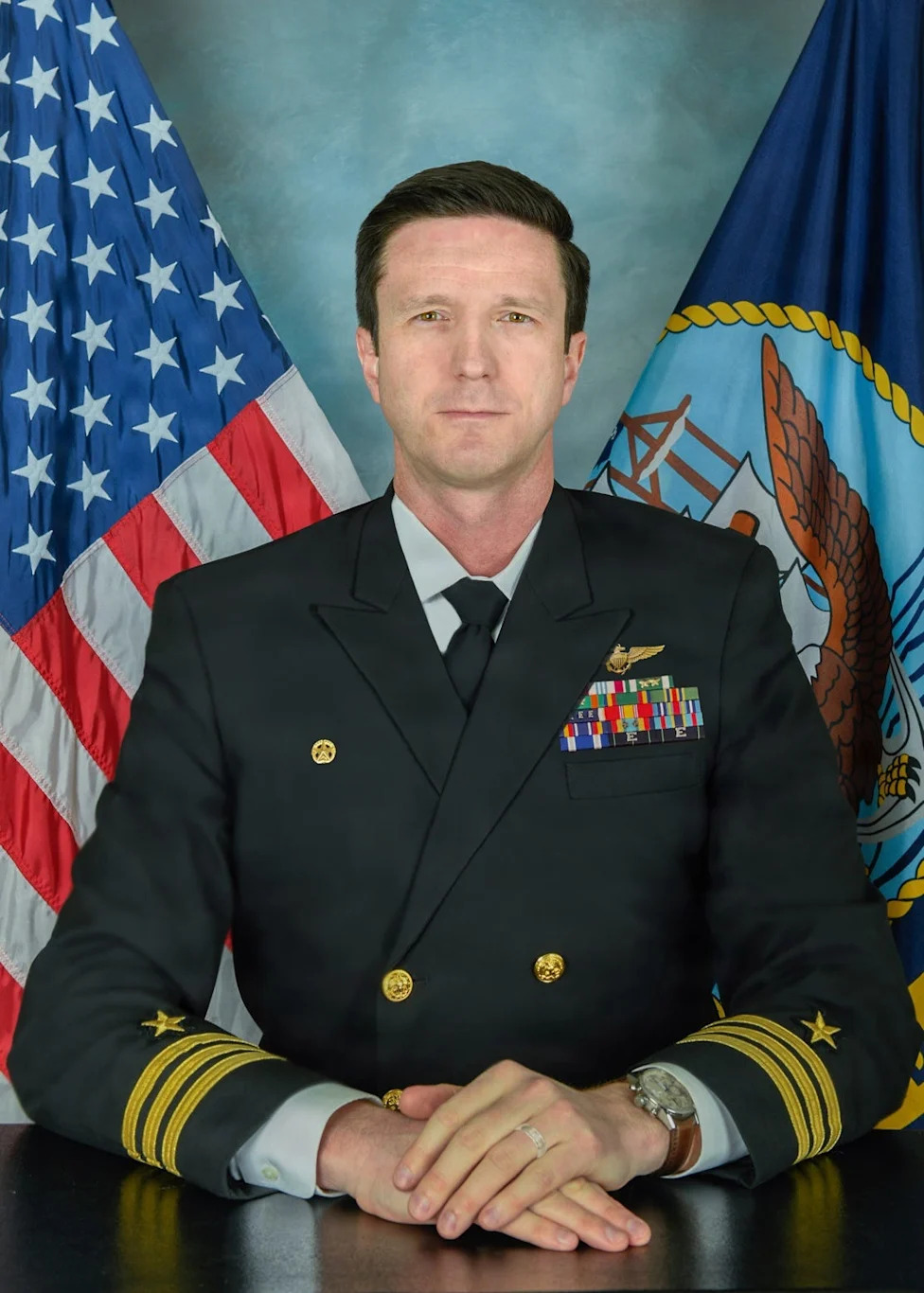
Cmdr. Gabriel Edwards is presumed dead after a U.S. Navy helicopter made an emergency landing in the Arabian Sea on July 1. He was identified as the missing crew member following a dayslong search.(Commander, Naval Air Force Atlantic)
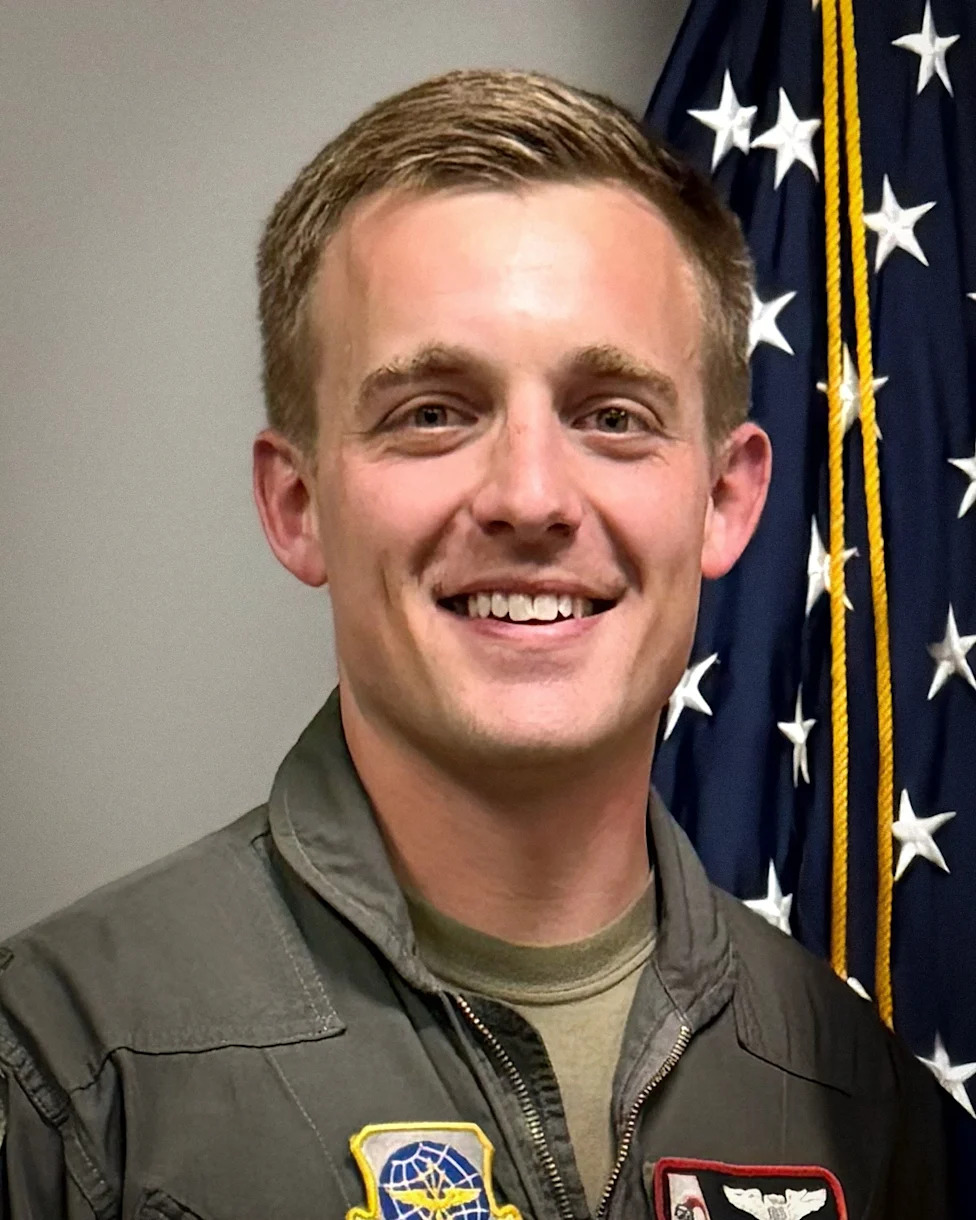
Major John “Alex” Klinner, 33, died on March 12, 2026, along with five other service members, after the U.S. aircraft they were on crashed in Iraq.(Courtesy Photo, DVIDS)
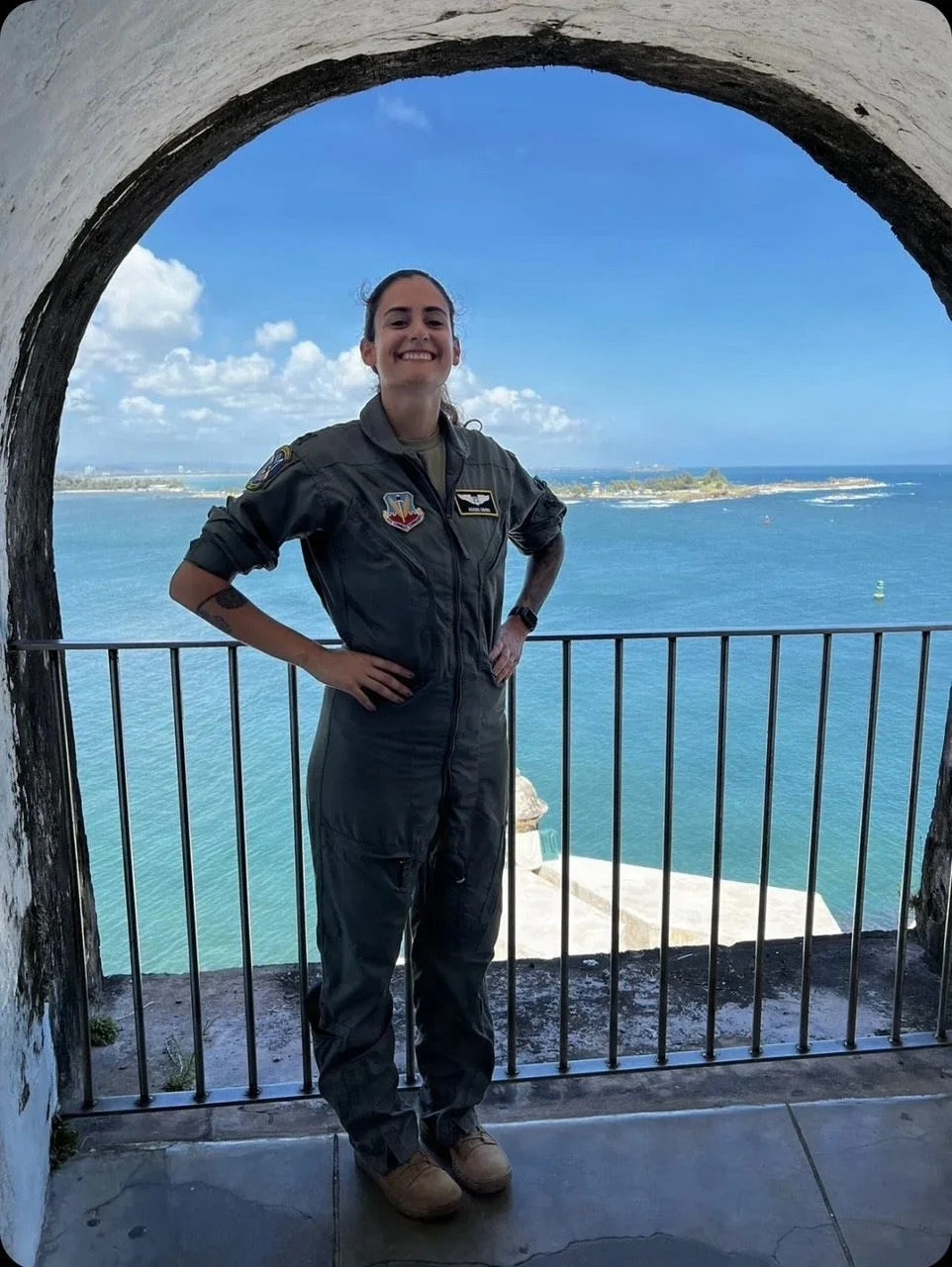
An undated photo of Capt. Ariana G. Savino, 31, of Covington, Wash., assigned to the 6th Air Refueling Wing at MacDill Air Force Base, Fla. Savino was one of six Airmen who died March 12, 2026, when a KC-135 aircraft crashed in western Iraq while supporting Operation Epic Fury.(Secretary of the Air Force)

An undated photo of Tech. Sgt. Ashley B. Pruitt, 34, of Bardstown, Ky., assigned to the 6th Air Refueling Wing at MacDill Air Force Base, Fla. Pruitt was one of six Airmen who died March 12, 2026, when a KC-135 aircraft crashed in western Iraq while supporting Operation Epic Fury.(Secretary of the Air Force)
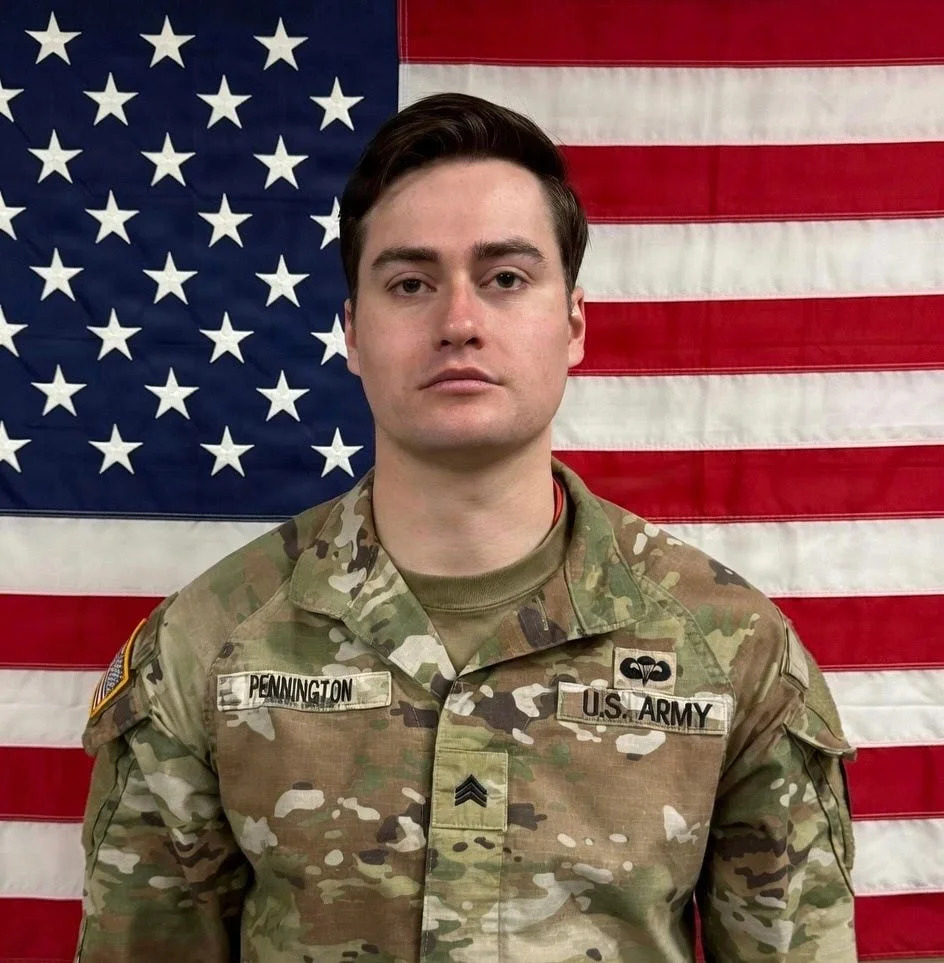
U.S. Army Sgt. Benjamin N. Pennington, 26, of Glendale, Kentucky, assigned to the 1st Space Battalion, 1st Space Brigade, Fort Carson, Colo, died March 8, 2026, from wounds sustained during an enemy attack on March 1, 2026, at Prince Sultan Air Base, Saudi Arabia.(Dottie Henderson, U.S. Army Space and Missile Defense Command)
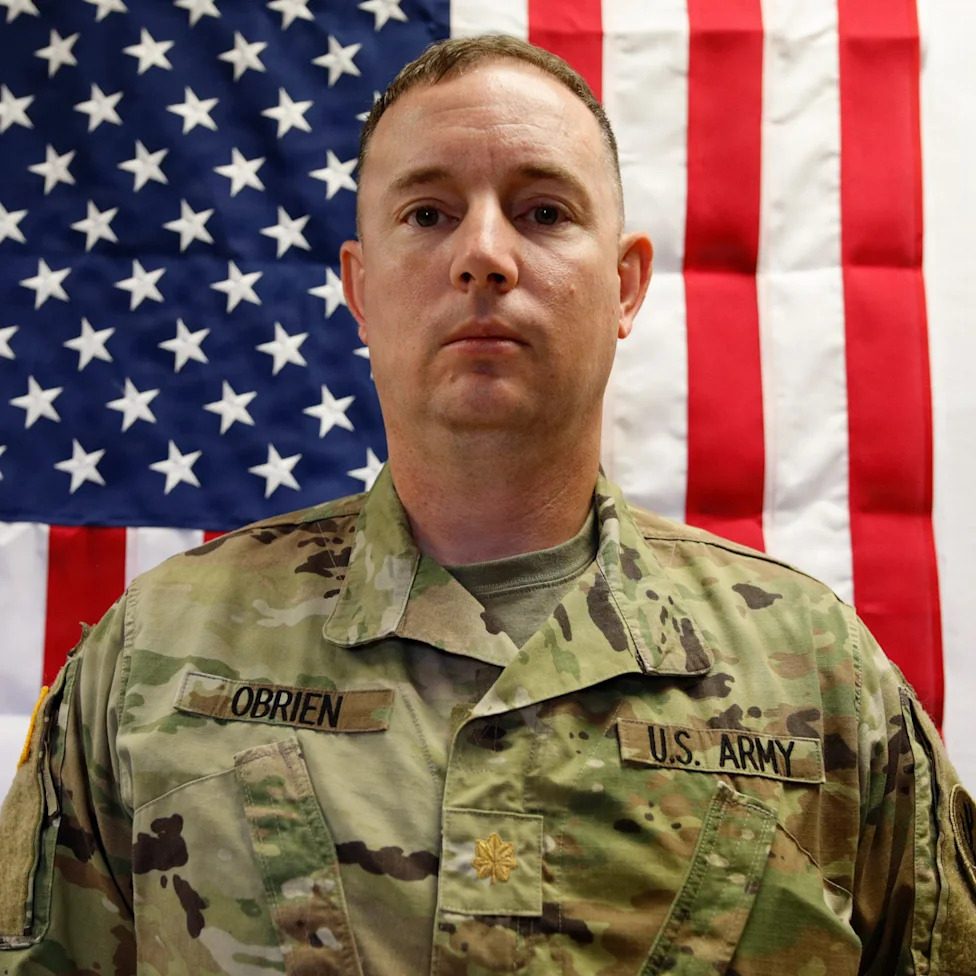
U.S. Army Reserve Maj. Jeffrey O’Brien, 45, of Waukee, Iowa, assigned to the 103rd Sustainment Command, died March 1, 2026, in Kuwait at the Port of Shuaiba during an unmanned aircraft system attack.(Gloria Holt, U.S. Army Reserve Command)
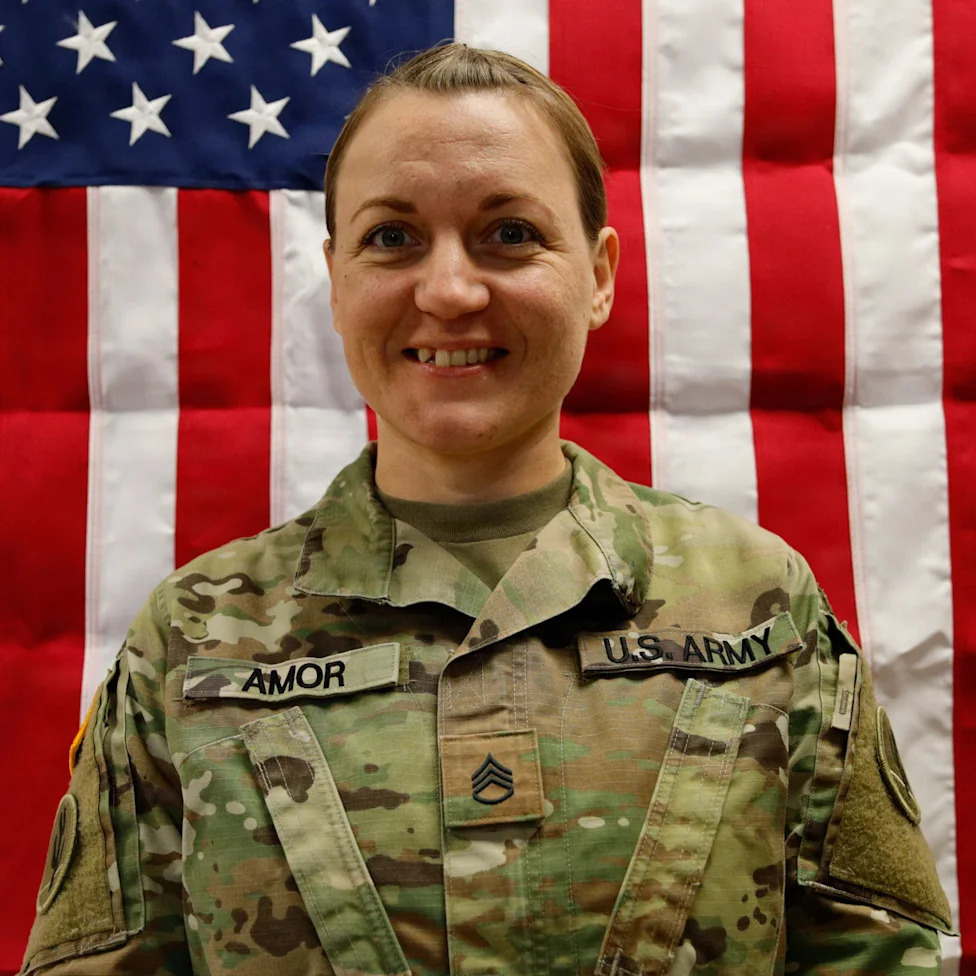
U.S. Army Reserve Sgt. 1st Class Nicole Amor, 39, of White Bear Lake, Minnesota, assigned to the 103rd Sustainment Command, died March 1, 2026, in Kuwait at the Port of Shuaiba during an unmanned aircraft system attack.(Brent Newton, U.S. Army Reserve Command)
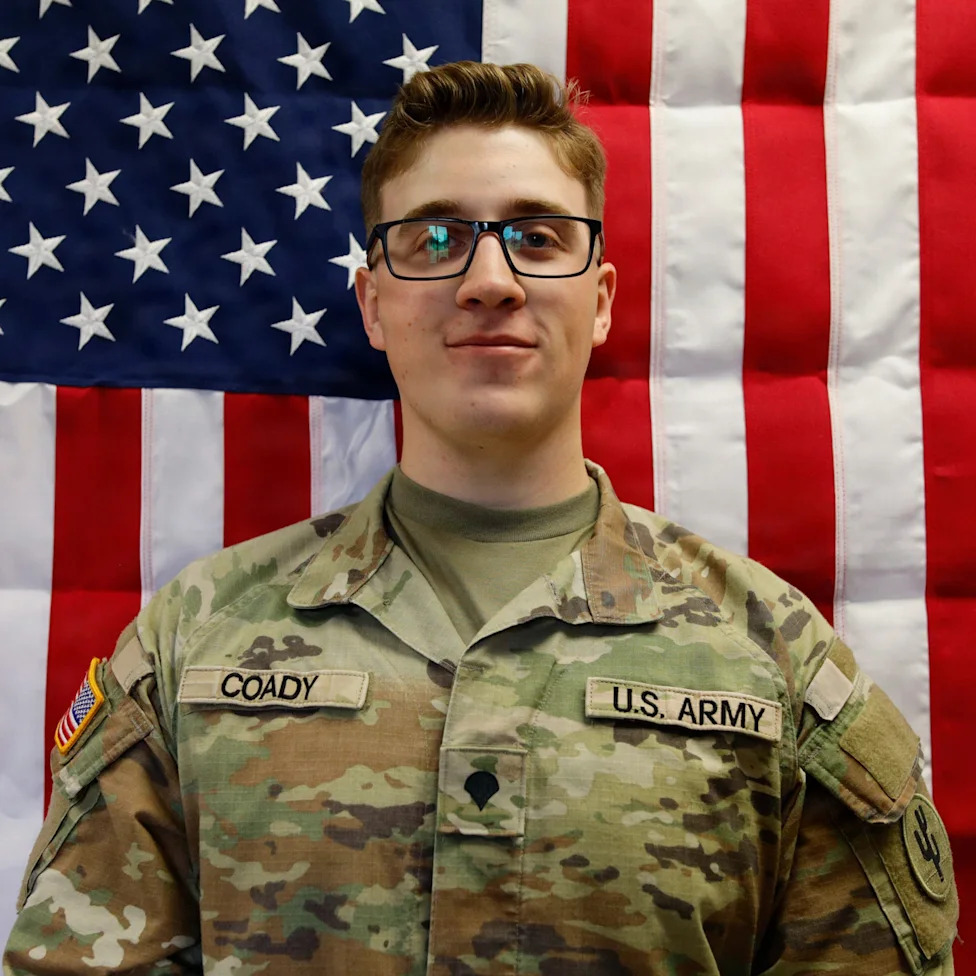
U.S. Army Reserve Sgt. Declan Coady, 20, of Des Moines, Iowa, assigned to the 103rd Sustainment Command, died March 1, 2026, in Kuwait at the Port of Shuaiba during an unmanned aircraft system attack.(Brent Newton, U.S. Army Reserve Command)
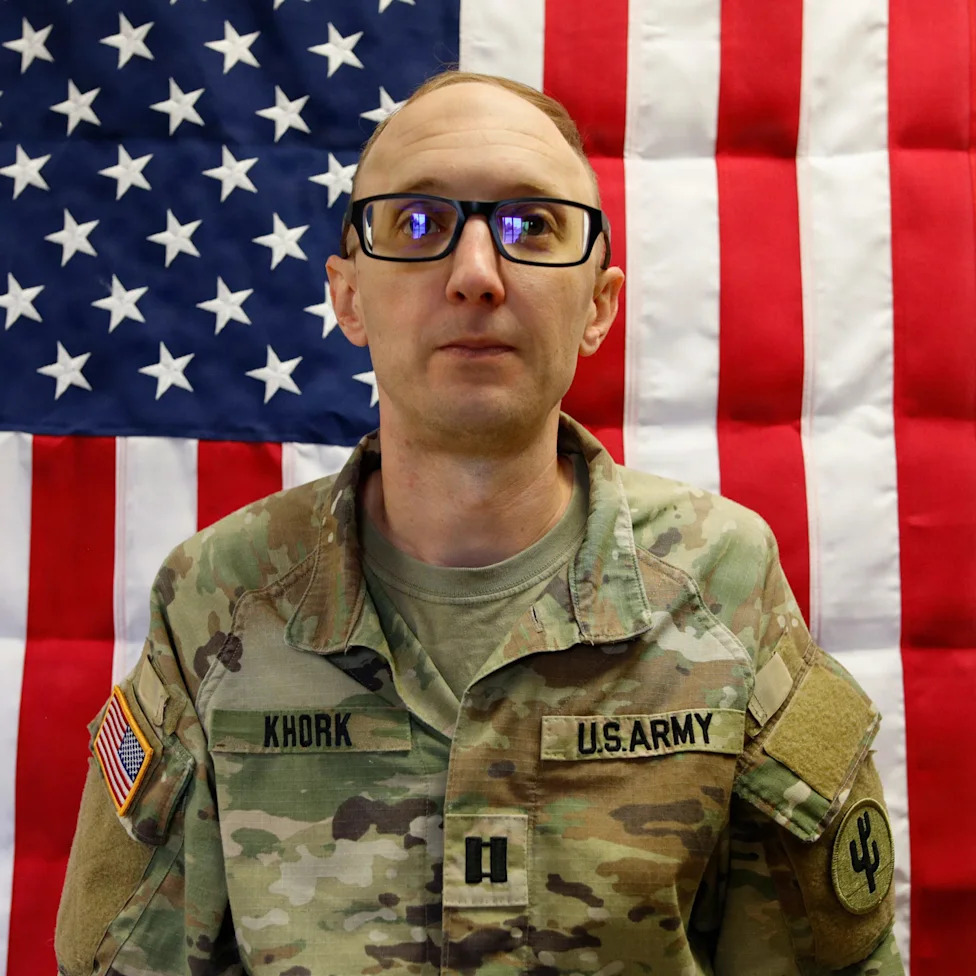
U.S. Army Reserve Capt. Cody Khork, 35, of Winter Haven, Florida, assigned to the 103rd Sustainment Command, died March 1, 2026, in Kuwait at the Port of Shuaiba during an unmanned aircraft system attack.(Brent Newton, U.S. Army Reserve Command)
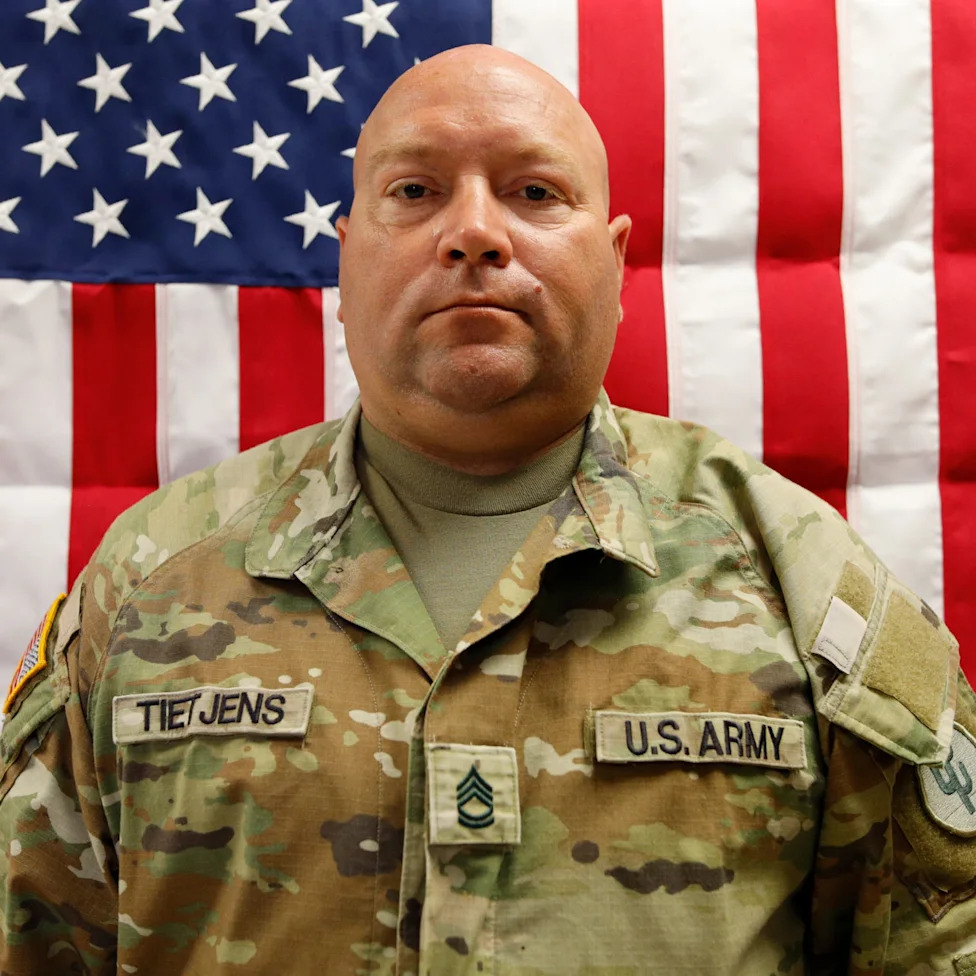
Sgt. 1st Class Noah Tietjens died in the attack on March 1, 2026, in Kuwait, the Pentagonsaid.Other US service members killed in the Iran War are: Capt. Seth Koval, 38, Capt. Curtis Angst, 30, Tech. Sgt. Tyler Simmons, 28 andChief Warrant Officer 3 Robert Marzan, 54.(Brent Newton)
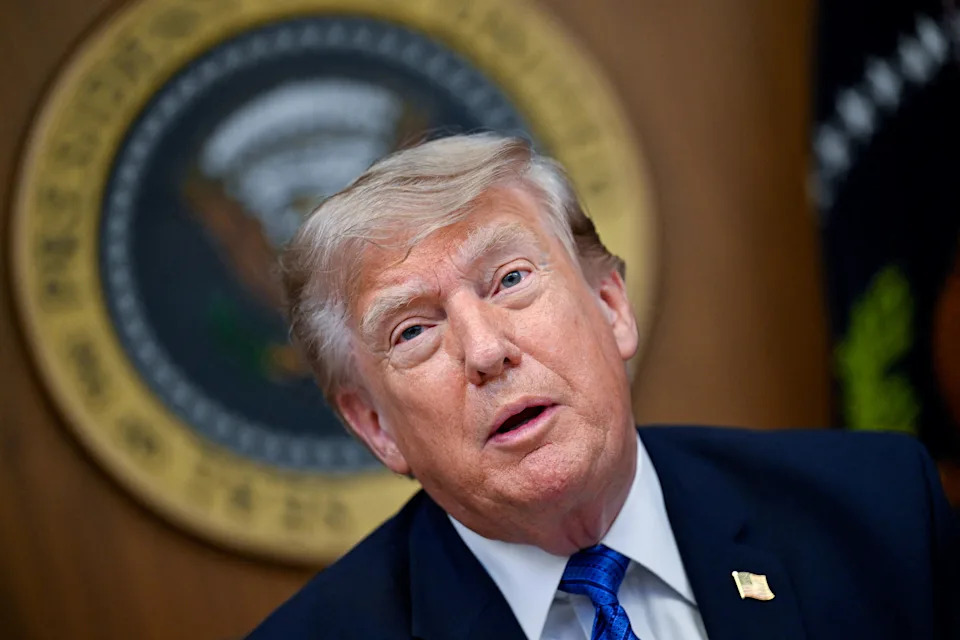
President Donald Trump participates in a cabinet meeting at Camp David in Thurmont, Maryland, U.S., July 31, 2026.
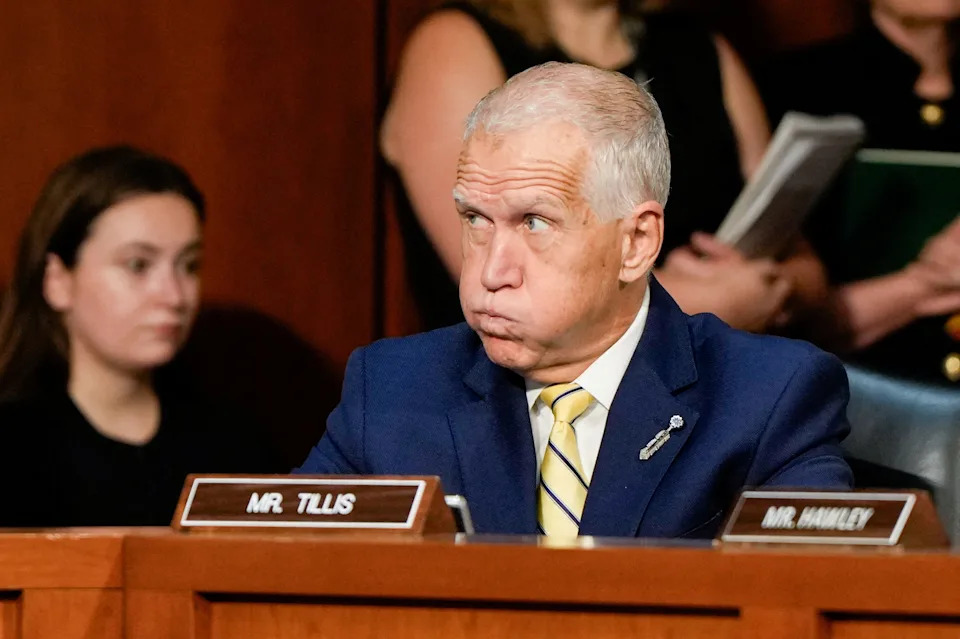
Senator Thom Tillis (R-NC) attends the committee vote on U.S. President Donald Trump's nomination of Todd Blanche to be U.S. attorney general, on Capitol Hill in Washington, D.C., U.S., August 4, 2026.
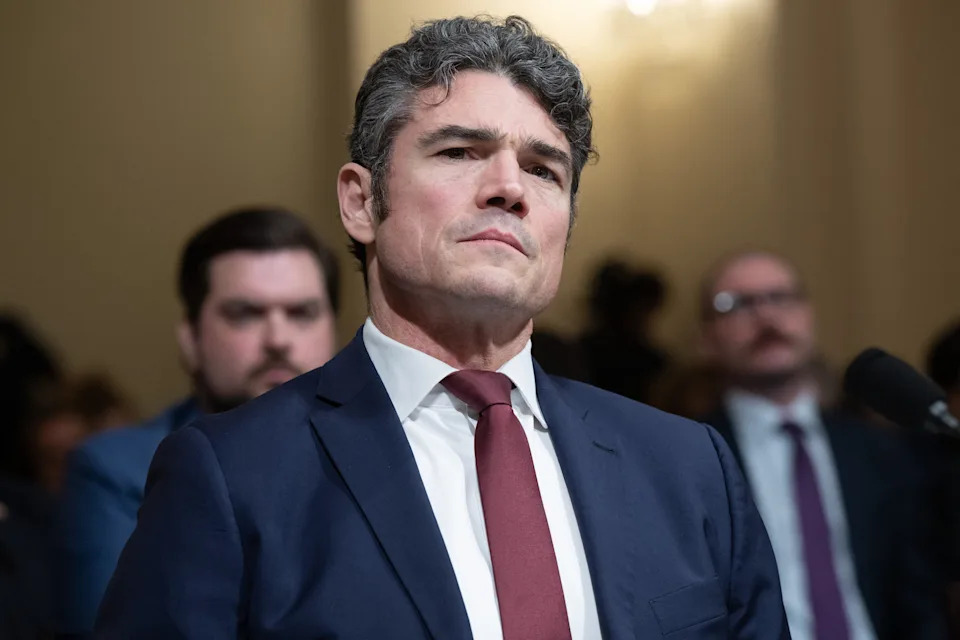
National Counterterrorism Center Director Joe Kent testifies during a House Homeland Security Committee hearing in Washington, DC, on Dec. 11, 2025. Nearly three months later, he resigned in protest of President Donald Trump's war on Iran.
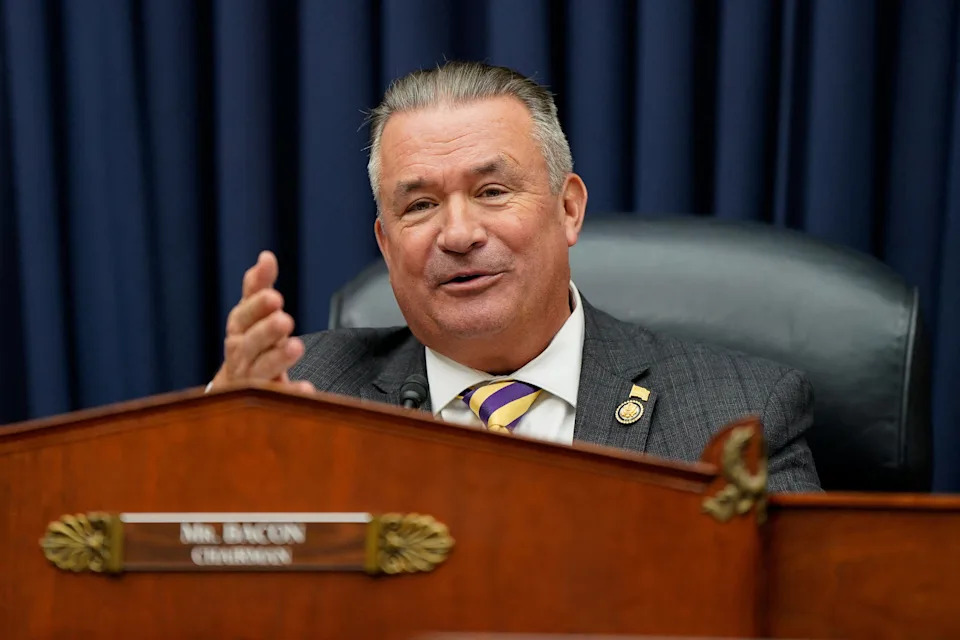
Representative Don Bacon (R-NE) speaks during a House Armed Services subcommittee hearing on Capitol Hill in Washington, D.C., U.S., April 21, 2026.
Help us improve.