Summary: Longtime Democratic incumbents are being replaced by much younger challengers in a series of high-profile primary upsets. The change is driven by generational divides over Israel, climate, health care and immigration policy, and by grassroots frustration after the party's 2024 setbacks. While the caucus is becoming younger, the new direction does not guarantee greater success in future general elections.
Generational Reckoning: Democrats Replace Longtime Stalwarts With Younger Challengers
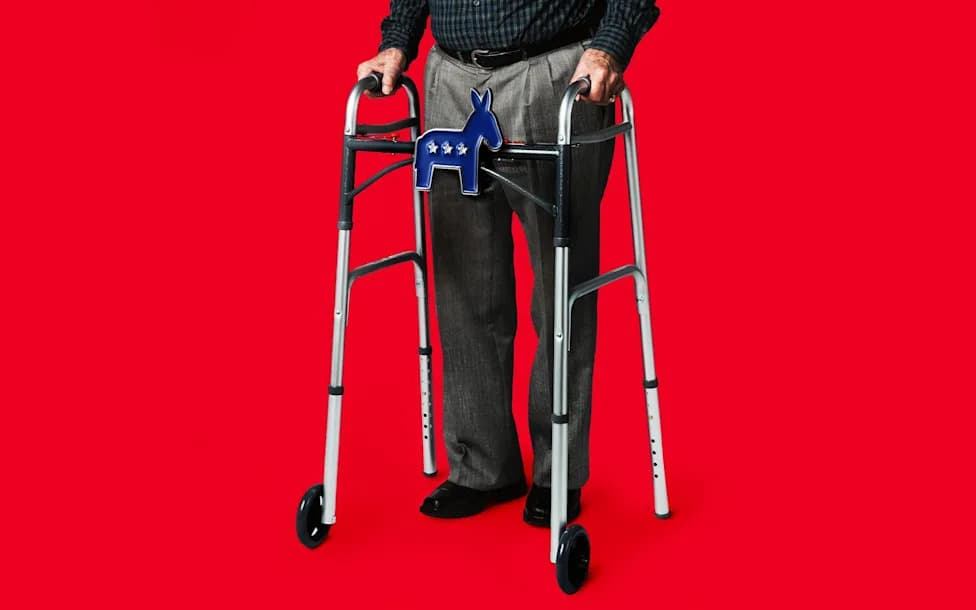
Illustration: Legs of elderly man using a walking frame with Democrat donkey attached
One by one, long-serving members of the Democratic Party are being displaced by challengers often less than half their age, signaling a striking generational shift within the party.
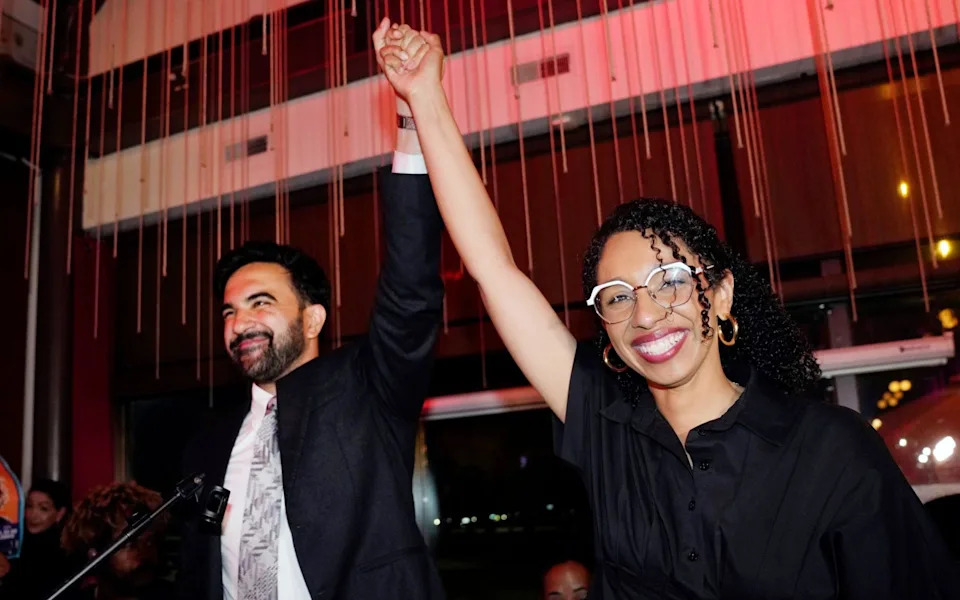
Darializa Avila Chevalier, 32, was backed by Zohran Mamdani, New York City's socialist mayor - Seth Wenig/AP
What’s Happening
Veteran lawmakers who together represent nearly a century of service have unexpectedly lost primary contests to much younger opponents. So far this year, six of the seven House incumbents defeated in primaries were unseated by younger rivals — some young enough to be their children or grandchildren. Analysts say the wave reflects both deep policy divides and a grassroots desire for fresh energy after a disappointing 2024 cycle for Democrats.
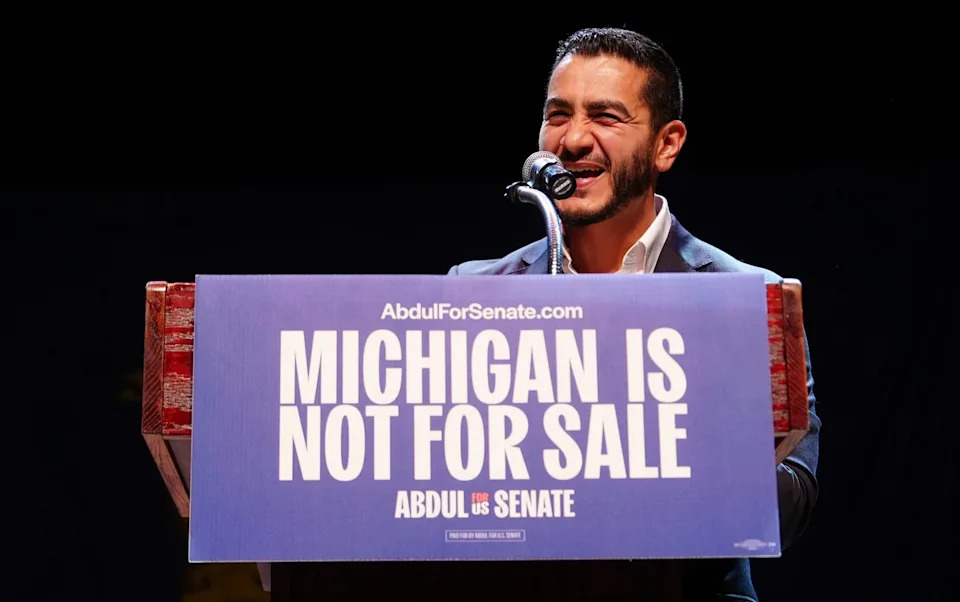
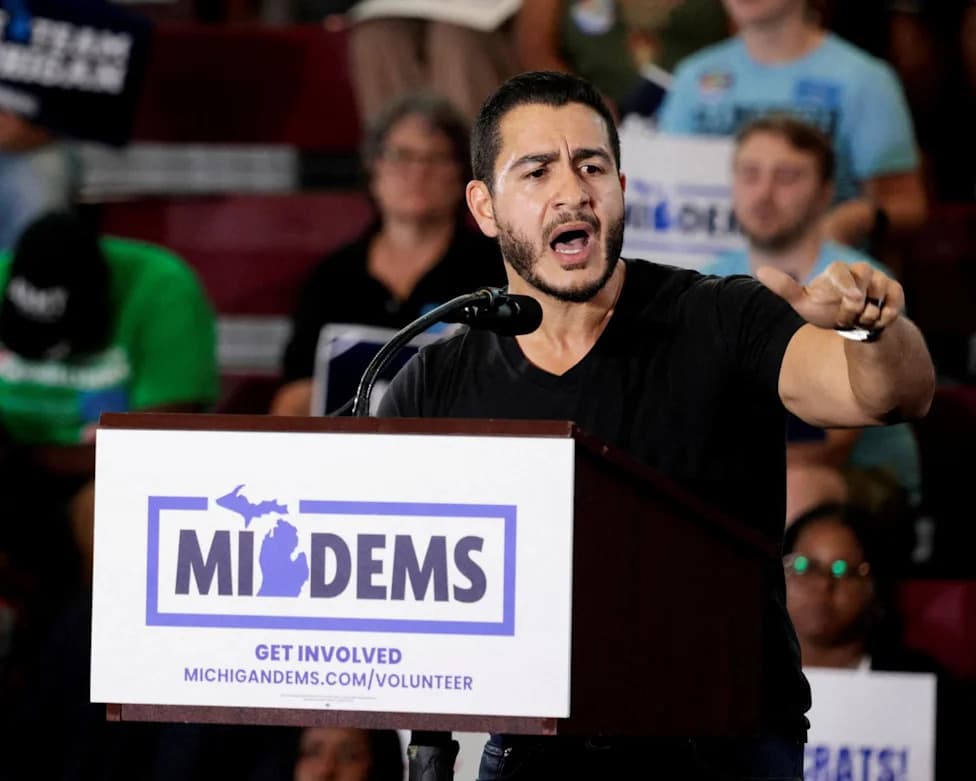
Abdul El-Sayed stands behind a podium that reads 'Michigan is not for sale' on the Michigan primary election night - Julia Demaree Nikhinson/AP
Notable Upsets
- Texas: Julie Johnson (60) was defeated by a younger challenger; Al Green (78) lost to Christian Menefee, a candidate roughly four decades his junior.
- New York: Adriano Espaillat (71) was unseated by 32-year-old Darializa Avila Chevalier, who campaigned on progressive platforms including ending ICE and curbing military aid to Israel.
- Colorado: Melat Kiros (29) defeated Diana DeGette (68), highlighting intra-progressive debates over Israel and other issues.
- Michigan: Donovan McKinney (34), aligned with progressive Senate hopeful Abdul El-Sayed, beat Shri Thanedar (71).
- Connecticut: John Larson (78), a fixture in the state’s politics for decades, lost to Luke Bronin (47), who emphasized the need for "new energy."
Driving Forces
Observers point to several converging factors behind these upsets:

Bernie Sanders may be 84, but he is viewed as a godfather of the progressive movement - Brendan Smialowsky/AFP
- Generational Policy Divides: Younger Democrats tend to be more skeptical of longstanding US policy toward Israel, more willing to embrace bold climate and health-care reforms, and more receptive to dismantling immigration enforcement structures like ICE.
- Post-2024 Backlash: The collapse of Joe Biden's re-election bid and broad Republican gains in 2024 have prompted grassroots voters to demand new leadership and tactics.
- Energy and Messaging: Challengers positioned themselves as young, bold and independent — framing longtime incumbents as out of step with current activist priorities.
"It's really a sea change in American politics," said Evan Roth Smith, a Democratic pollster, summarizing the mood driving many primary voters.
Implications
The shift makes the Democratic Party visibly younger, but younger candidates are not automatically more electable in general elections. The ideological tilt among new nominees — especially on issues like Israel and US military aid — could reshape not only primary dynamics but also general-election strategies and coalition-building.
Bottom line: Democrats are undergoing a rapid generational realignment that reflects substantive policy disagreements and frustration after recent losses. Whether the infusion of youth translates into broader electoral success remains uncertain.
Help us improve.