The National Park Service is seeking an unidentified woman after a bat that later tested positive for rabies briefly became entangled in her hair at Olympic National Park on Aug. 9. Park officials say the bat had been dive-bombing visitors and warned the woman is at risk and should seek medical care immediately. Authorities urge anyone—including pet owners—who may have had contact with the bat to get evaluated because rabies is deadly but preventable with prompt post-exposure treatment. The CDC lists flu-like and neurological symptoms among early rabies indicators.
National Park Service Seeks Woman After Rabid Bat Briefly Got Tangled in Her Hair
johan de meester / Universal Images Group/Newscom/The Mega Agency
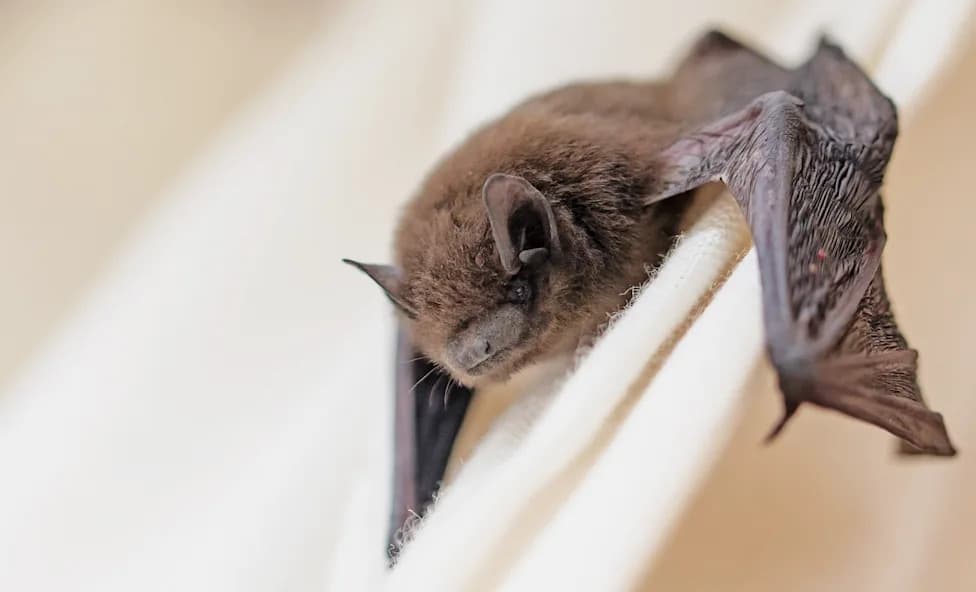
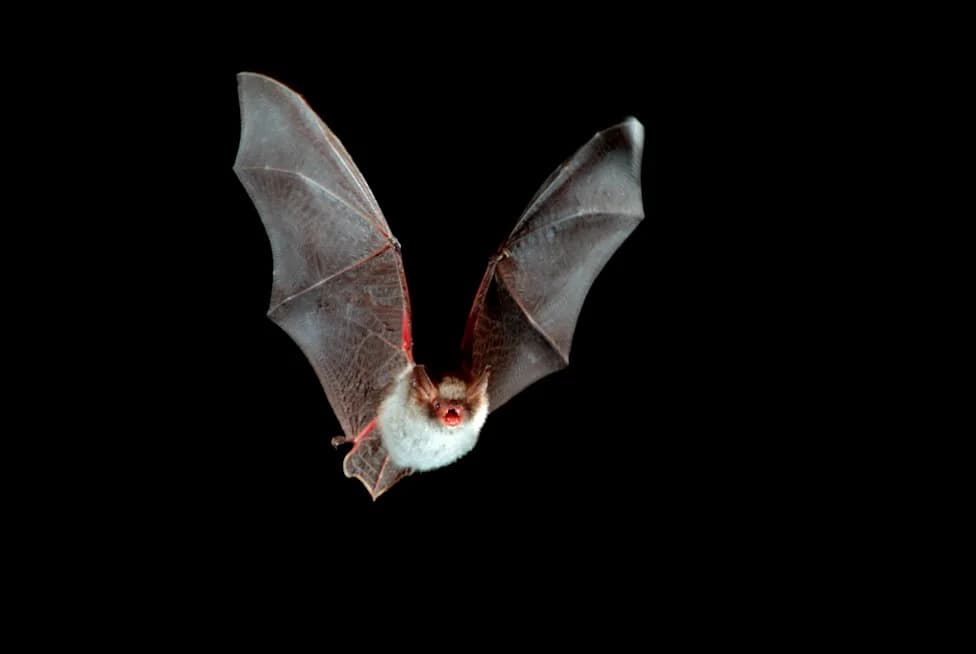
The National Park Service is asking for help locating an unidentified woman after a bat that later tested positive for rabies swooped down and briefly became entangled in her hair at Olympic National Park.

Ingram Publishing/Newscom/The Mega Agency
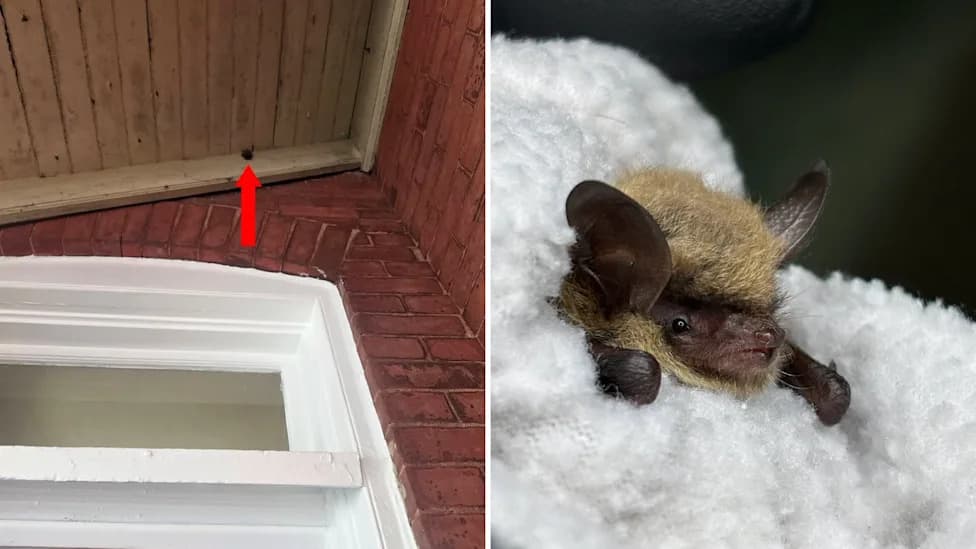
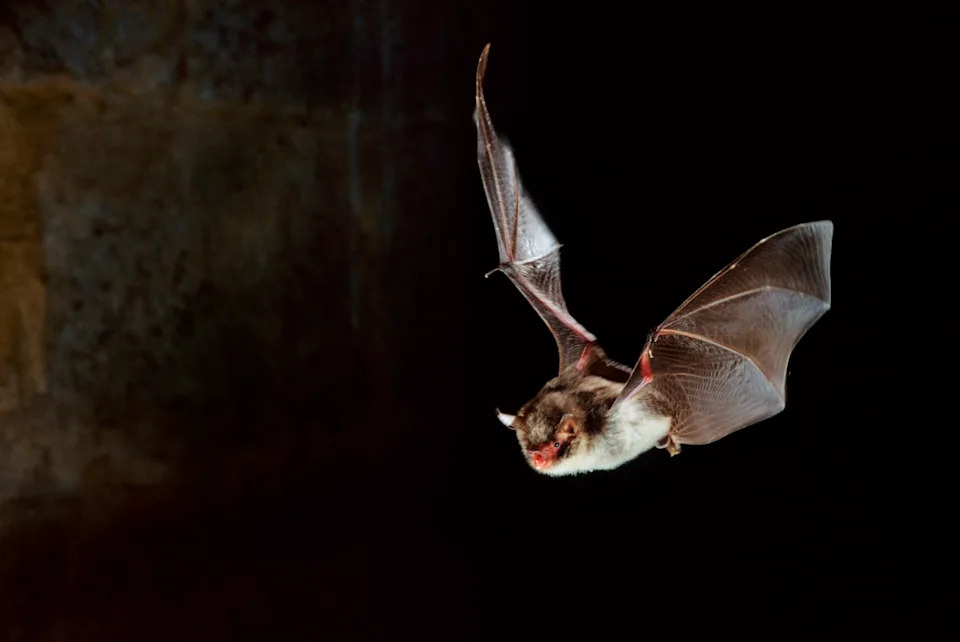
According to a press release dated Aug. 12, the encounter occurred on Aug. 9 near Staircase Bridge. Park staff say the bat descended onto the visitor and temporarily got stuck in her hair. Officials reported the same bat had been dive-bombing multiple parkgoers earlier that day.
Johan De Meester / Universal Images Group/Newscom/The Mega Agency
"This individual is at risk for rabies and should seek healthcare immediately," the release said.
Health Risks and Guidance
Park officials urged anyone who believes they—or their pets—had contact with the bat on Aug. 9 to seek medical evaluation without delay. Rabies is a deadly virus that can infect any mammal and is most commonly associated with bats in the United States. It can be transmitted through saliva and by bites or scratches.
"Bat bites and scratches can be very small and may not always be visible or painful, so anyone who believes they may have had direct contact with a bat should speak with a healthcare provider immediately to evaluate their risk of rabies exposure. Rabies is preventable if prompt, appropriate medical care is received following an exposure."
Symptoms to Watch For
The Centers for Disease Control and Prevention (CDC) notes early warning signs of rabies can include flu-like symptoms, discomfort or itching near the bite site, and neurological or behavioral changes such as anxiety, confusion, agitation, hallucinations, excessive saliva, an aversion to drinking despite thirst (hydrophobia), and aggression. Without treatment, rabies is almost always fatal, but post-exposure prophylaxis (PEP) can prevent the disease if given promptly after exposure.
What You Should Do
- Seek medical attention immediately if you think you had direct contact with the bat.
- Contact local public health authorities for guidance on testing and post-exposure care.
- Avoid handling bats or other wildlife and keep pets up to date on rabies vaccinations.
Anyone with information about the incident or the unidentified woman is asked to contact Olympic National Park staff so proper precautions and medical guidance can be provided.
Help us improve.