The Democratic Party's recent primaries revealed deep internal divisions: progressives scored narrow wins in key states, but mixed results mean no clear mandate. Moderates and some progressives are shifting tone to appeal to swing voters as the party readies for crucial governing choices if it retakes Congress. On foreign policy, concerns about conditions aboard the USS Abraham Lincoln drew a firm dismissal from President Trump, while Vice President J.D. Vance said keeping gas prices low is the administration's top priority amid tensions with Iran. These intraparty debates and international pressures will shape leadership choices and policy priorities heading into 2027.
What Comes Next for Democrats — November and 2027: How Primary Battles Will Shape Governing
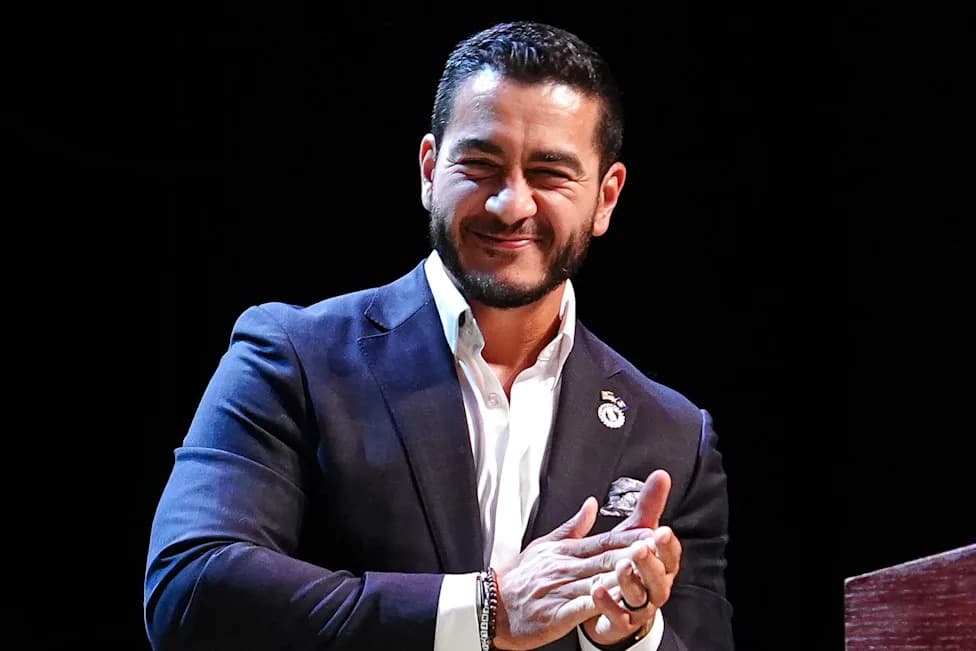
Abdul El-Sayed speaks during a primary election night event at the Majestic Theatre in Detroit in Aug. (Julia Demaree Nikhinson / AP)
Recent Democratic primary results have exposed sharp internal divisions that will shape not only strategy for November but also how the party might govern if it regains control of Congress. Progressives have shown renewed energy in key states, but mixed outcomes make clear there is no uncontested mandate — and that the party faces difficult trade-offs heading into 2027 and beyond.
Progressive Momentum, But No Consensus
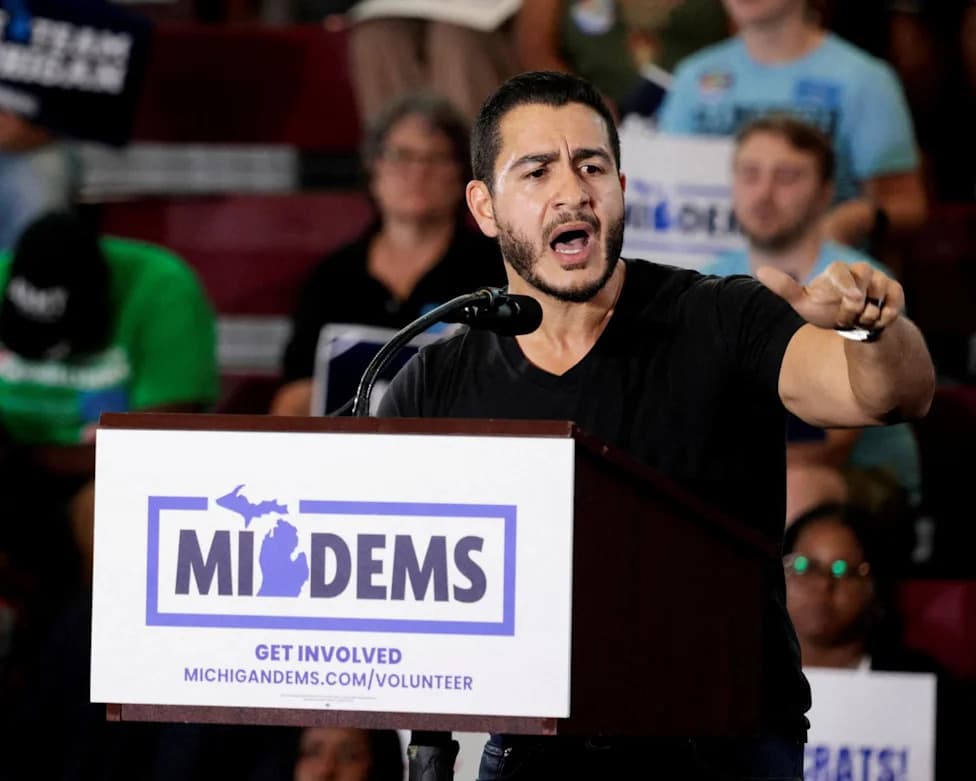
Progressive candidates scored narrow, high-profile wins in some contests. In Michigan, Democrat Abdul El-Sayed emerged as a prominent progressive voice as he heads into a competitive Senate race this fall. In Minnesota, Lt. Gov. Peggy Flanagan won her primary and now appears to be the front‑runner for the state's Senate seat. But these victories were often close: El‑Sayed's margin was slim, and in Wisconsin progressive Francesca Hong lost the gubernatorial primary after surrendering a significant polling lead.
Those mixed results have prompted strategic recalibrations. Some progressives are moderating language or emphasizing pragmatic priorities to appeal to swing voters — for example, Flanagan declined to give a direct yes-or-no on abolishing ICE when asked on "MTP Now," despite previously calling for major reforms. Others, including Wisconsin nominee David Crowley, stress the need for a "big tent" approach to win in competitive states.
Governing Questions If Democrats Retake Power
These intraparty debates over immigration, the economy, health care, Israel policy and technology/energy projects transcend campaign rhetoric. If Democrats reclaim the House or Senate, party leaders such as Minority Leader Hakeem Jeffries — who aspires to be speaker — will face hard choices about how to marshal progressive energy without alienating centrists or swing voters. That balance will influence top priorities on health care, immigration reform and criminal justice over the next Congress and into the 2028 cycle.
"Meet The Press" will examine these tensions: Jeffries and Rep. Ro Khanna will join the program to discuss how the party can unify its agenda, and Attorney General Todd Blanche, appearing days after his confirmation, will address legal and national security priorities.
Military Morale, Iran And Energy Politics
Separately, families of sailors aboard the aircraft carrier USS Abraham Lincoln have raised concerns about deteriorating onboard conditions, including reports of shortages and declining mental health. At Joint Base Andrews, President Donald Trump dismissed those concerns when asked whether deployments had gone on too long, saying, "No. No. No — not nearly long enough." He also said the Lincoln was moving or would be replaced soon; the USS George Washington is expected to relieve the carrier, U.S. officials told NBC News.
On the diplomatic and economic front, Vice President J.D. Vance told Fox News that keeping gas and oil prices low is now "goal No. 1" for the administration amid rising tensions with Iran, with "goal No. 2" being to prevent Iran from obtaining a nuclear weapon. The conflict has re-centered global attention on the Strait of Hormuz, a chokepoint that once handled roughly 20% of the world's energy shipments.
Trump and his team have offered several, evolving rationales for their approach toward Iran — from supporting domestic protests to prioritizing nuclear nonproliferation and weakening Tehran's regional capabilities. Policymakers now face the twin political pressures of responding to regional security risks while trying to shield American consumers from rising energy costs.
Other Political Notes
- Republican Rep. Russell Fry, who lost a special primary in South Carolina, endorsed Sen. Darline Graham in the runoff to fill her late brother's seat.
- In Ohio, Democrat Brian Poindexter is forging an unusual coalition that blends establishment backing with a working-class message, making his race against GOP Rep. Max Miller unexpectedly competitive.
- Florida Gov. Ron DeSantis said he will not support Rep. Cory Mills' re-election amid Justice Department and House Ethics Committee investigations; Mills denies wrongdoing.
- A woman accused of vandalizing the World War II Memorial was arrested in Washington, the U.S. Attorney for D.C., Jeanine Pirro, announced.
- President Trump has asked the Supreme Court to allow construction to continue on a large ballroom adjacent to the White House.
As Democrats navigate internal tensions, foreign-policy and energy concerns tied to the Iran conflict will increasingly shape messaging and legislative priorities ahead of November and into the next presidential cycle. Expect leaders to spend the coming months trying to reconcile progressive energy with electoral pragmatism.
Watch: Tune into "Meet The Press" for extended conversations with Jeffries, Ro Khanna and Attorney General Todd Blanche about these issues and what they mean for governing in 2025–2027.
Help us improve.