Sahra, an education administrator from el‑Geneina, became head teacher of a refugee camp primary school in eastern Chad after the April 2023 conflict displaced nearly one million Sudanese into Chad. The camp school, set up in 2024 by Plan International and partners, serves 1,059 pupils with 30 teachers and operates two shifts to meet demand. Despite strong community leadership and child‑protection programs, severe underfunding (the 2026 regional plan is 17% funded) and a lack of basic facilities — electricity, toilets and accessible classrooms — leave major needs unmet.
From El‑Geneina To Adre: A Sudanese Refugee Becomes Head Teacher In A Chadian Camp
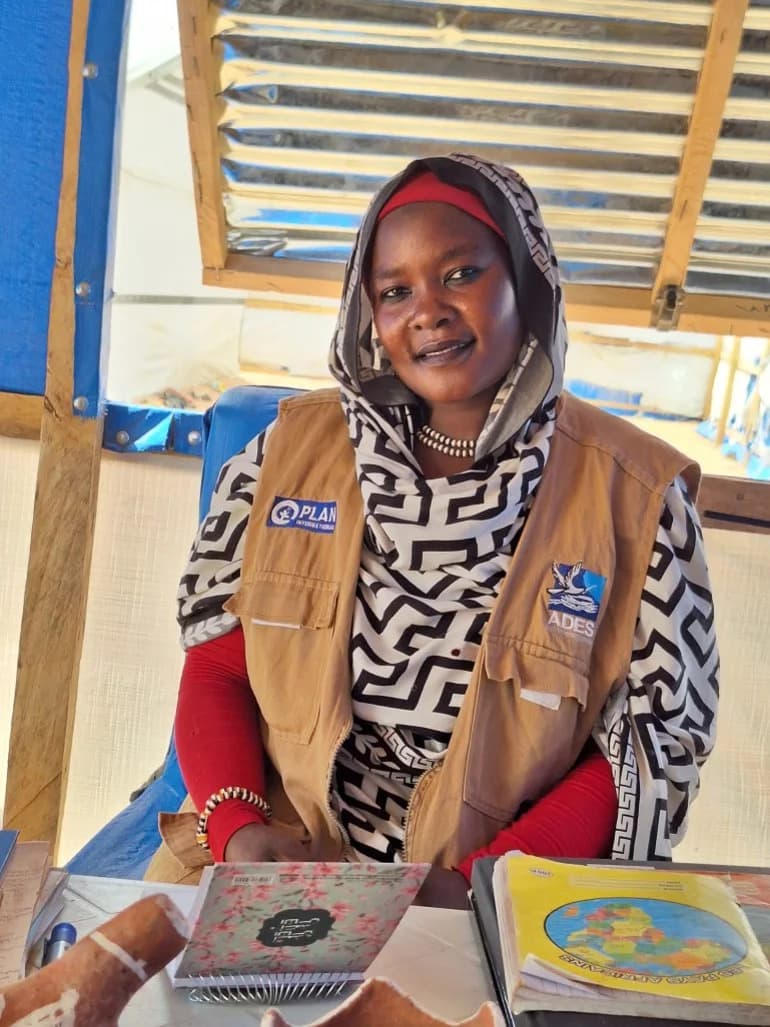
Sarah, 32, fled her country, Sudan, with her parents and three sisters in June 2023 to seek safety in Chad. She says she hopes to return home when peace returns to Sudan. [Courtesy of Plan International]
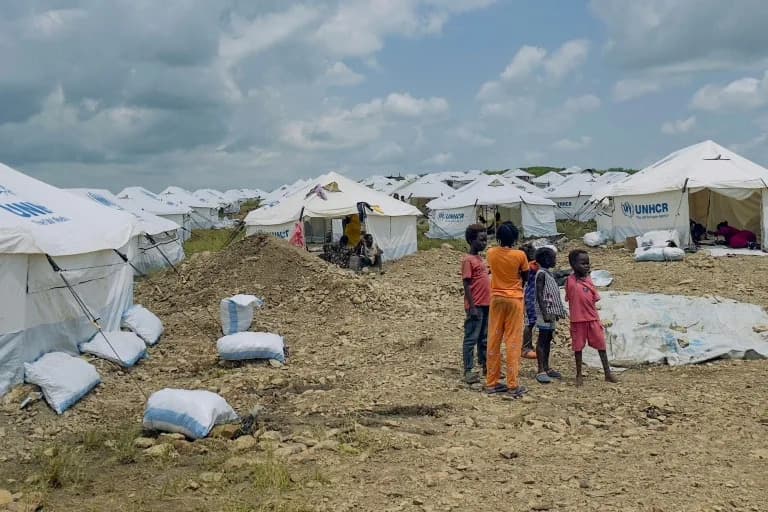
Adre, Chad — Sahra grew up in el‑Geneina, the capital of West Darfur, determined to outwork the boys in her class. After completing national exams in 2005 and 2006 she trained in education administration while volunteering in classrooms. Her career and home were shattered in April 2023 when fighting between the Sudanese Armed Forces (SAF) and the Rapid Support Forces (RSF) forced millions to flee, including nearly one million people who crossed into Chad.
A New School, A New Role
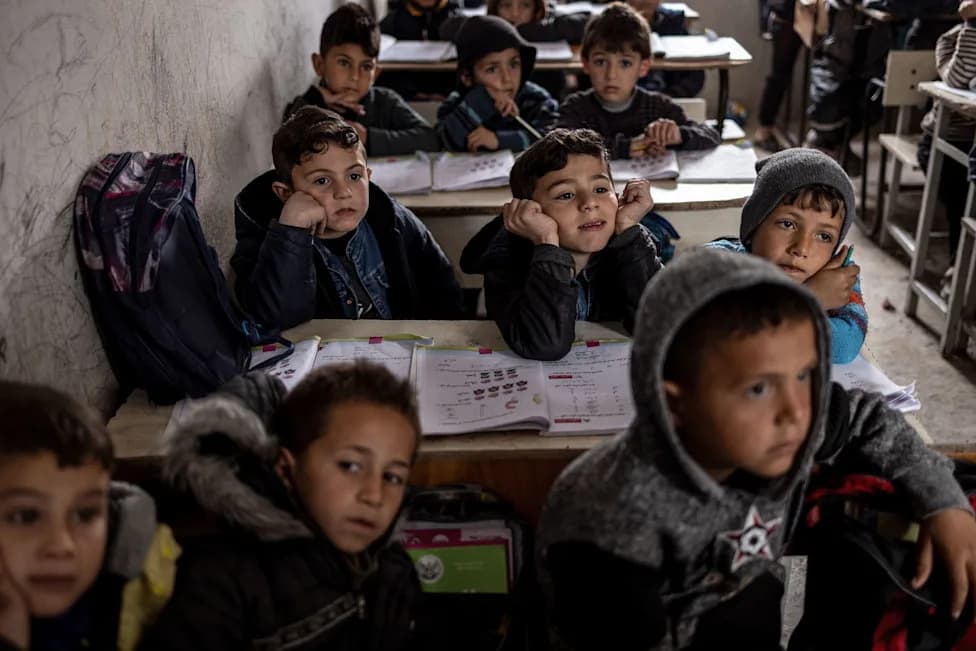
In 2024, Plan International and partner organisations established a primary school inside a refugee camp in eastern Chad. The school now serves 1,059 pupils with 30 teachers and runs two shifts to accommodate demand — and Sahra is the head teacher. Many staff, including teachers and child‑welfare workers, were recruited from the refugee community, enabling people who fled Sudan to help provide essential services for families displaced alongside them.
Teaching Under Strain
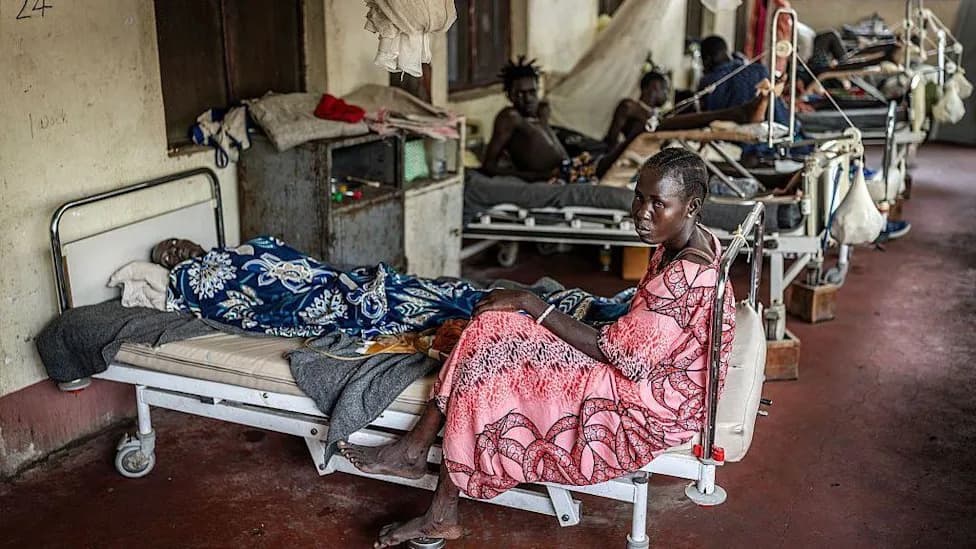
Chad entered the crisis with an acute education gap: more than two million young people are illiterate and, according to UNICEF, three out of four pupils nationwide are taught by staff whose own schooling ended at secondary level. The refugee influx has added pressure to a system already short of classrooms, trained teachers and basic facilities.
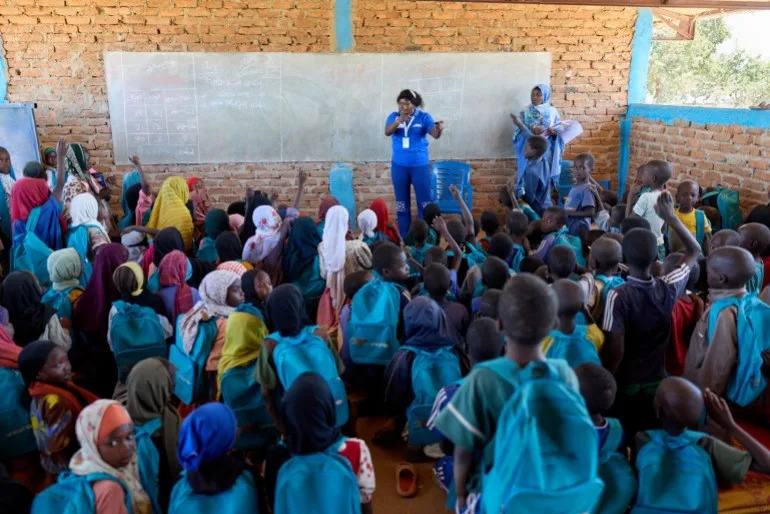
Arlette, a Child-Friendly Space supervisor at Aboutengue refugee camp in eastern Chad, supports children displaced by the war in Sudan by providing a safe place to play, learn and recover from trauma. [Courtesy of Plan International]
Teachers in the camp face practical challenges. Sudanese educators must adapt to Chad’s curriculum and navigate language differences: many Sudanese pupils speak Arabic while Chadian children may speak local dialects or French. "The teaching syllabus in Sudan is easy, but the one in Chad is difficult for us," says Oummalnas, a mathematics and Arabic teacher who fled el‑Geneina in 2024. "We need more workshops to improve our teaching skills and adapt to the Chadian system."
"Illiteracy is very dangerous. I want the children to be optimistic about the future because education prevents them from early marriage and violence." — Sahra, Head Teacher
Protection, Play And Community Outreach
For parents, the school is as much about safety as learning. Plan International runs child‑friendly safe spaces where under‑fives can play, socialise and receive psychosocial support in the absence of formal kindergartens. Outreach teams visit tents to persuade families to send children to class; community centres hold weekly awareness sessions stressing that education must continue even during displacement.
Still, not all children have access. Hundreds of unaccompanied minors who lost caregivers while fleeing Darfur remain out of school and at risk of exploitation or recruitment into criminal activity, community members warn.
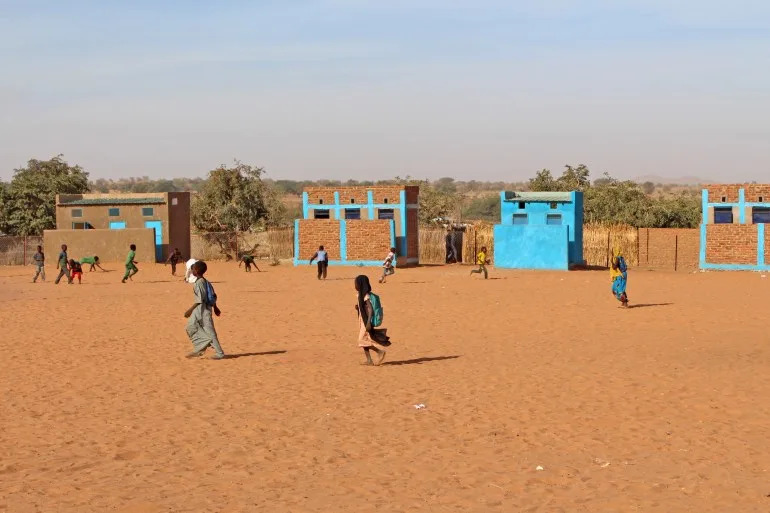
Sudanese and Chadian children play together during a break at a refugee camp school in eastern Chad, where education and recreation help restore a sense of normalcy after displacement [Courtesy of Plan International]
Visible Gaps And Urgent Needs
Resources are scarce. The 2026 Sudan Regional Refugee Response Plan was only 17 percent funded at the time of reporting, leaving an 83 percent shortfall. At Sahra’s school there are no flush toilets, no electricity, and no accessible facilities for children with disabilities; pupils sit on the ground or share a few benches. Teachers and parents are calling for basic improvements: solar lighting, a mobile health clinic, school meals, and enough desks so children do not have to sit on the floor.
Charities and local NGOs stress that refugee teachers also bring opportunity. "Chad and Sudan are like brothers; we share families," said Abakar Mahamat Nour of ADES, a Chadian NGO. "Having people like Sahra coming from Sudan to teach our children is a benefit for our country. They help our students gain new cultural perspectives and build new friendships."
"We don't separate education from child protection. It's an integrated approach that helps create harmony." — Kefa Mayange, Plan's Emergency Response Manager for Chad
Sahra lost a life built on teaching and education administration in West Darfur. In exile she has returned to the work she had planned all along: giving displaced children structure, safety and the skills to imagine a future. Note: Full names have been withheld for safety and privacy reasons.
Help us improve.