Ukraine avoided blackouts during a record Aug. 6 heat wave thanks to reserve thermal units, flexible nuclear maintenance and lower demand. CBAM-related barriers to exports kept extra thermal capacity inside the country while Energoatom postponed a repair so a reactor stayed online at reduced output. Grid load fell 6% overall and 13% in industry in H1 2026—partly because of shutdowns after Russian attacks, which eased strain but inflicted economic damage. Officials warn continued war could increase winter risks to the energy system.
How Ukraine Averted Blackouts During Record Heat: Reserve Power and Strategic Maintenance Kept the Lights On
Photo Credit: iStock
Despite record-high temperatures on Aug. 6, Ukraine managed to avoid the widescale blackouts many feared, thanks to a combination of reserve generation, flexible maintenance scheduling and lower-than-expected demand.
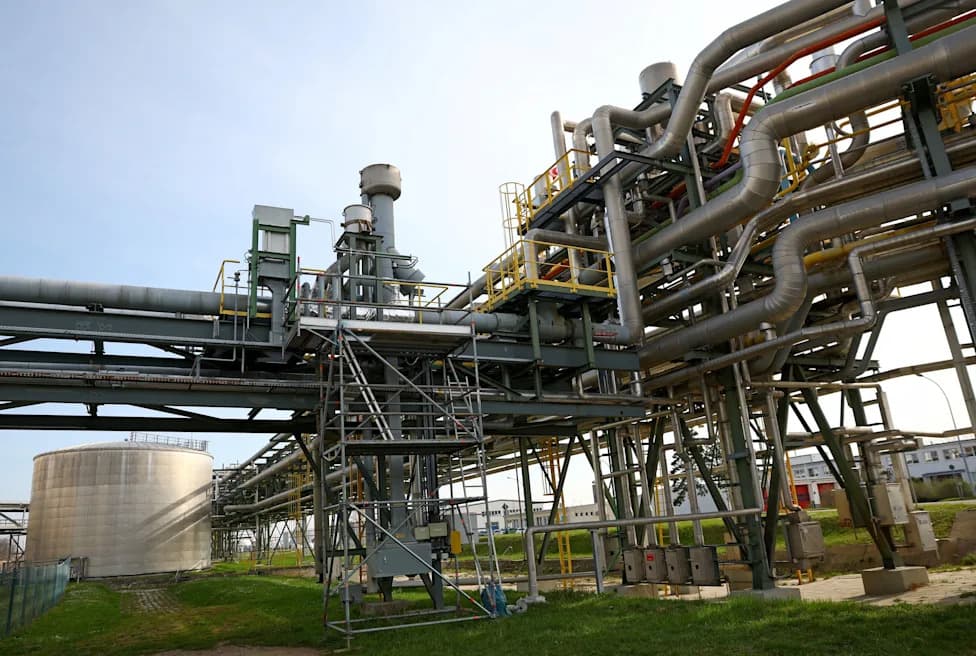
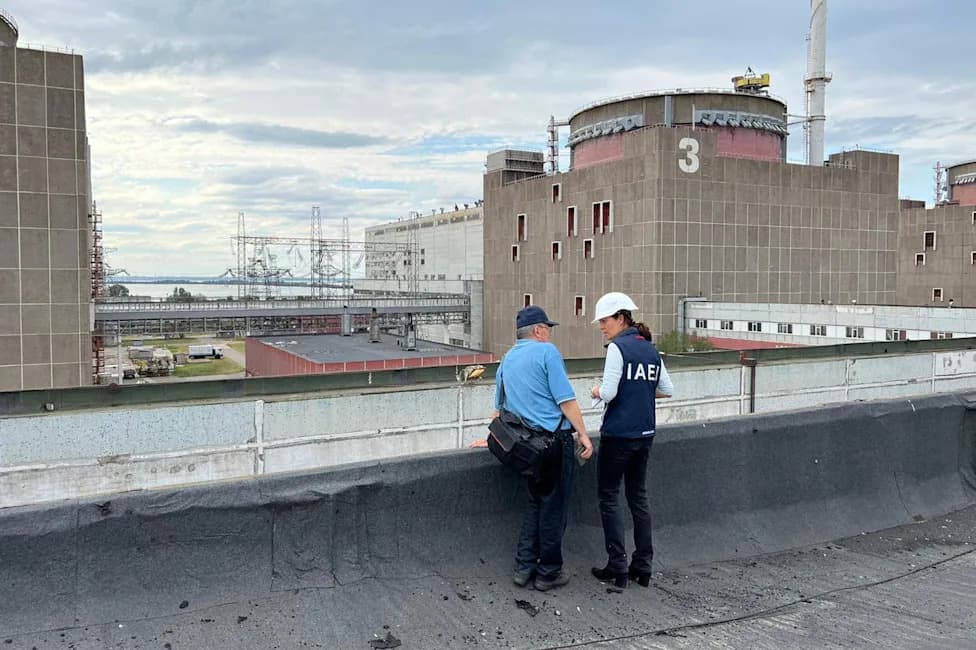
Former Energy Minister Olha Buslavets told Interfax-Ukraine, as cited by The New Voice of Ukraine (NV), that several contingency measures coincided at the critical moment. Among the most important factors were the availability of two to three reserve thermal power units and a decision by Energoatom to postpone scheduled maintenance on one nuclear unit so it could continue operating at reduced output while repairs were completed on another reactor.
Reserve Capacity Stayed Domestic — NV reported that the European Union's Carbon Border Adjustment Mechanism (CBAM) made exporting electricity from some thermal units less viable, so that extra generating capacity remained inside Ukraine during the heat wave and helped meet peak demand.
"This was the right decision: the repair schedule was optimized so there would be enough fuel to extend the unit's operation, allowing time for the compensating capacity of the other unit to come back online," Buslavets told Interfax, as quoted by NV.
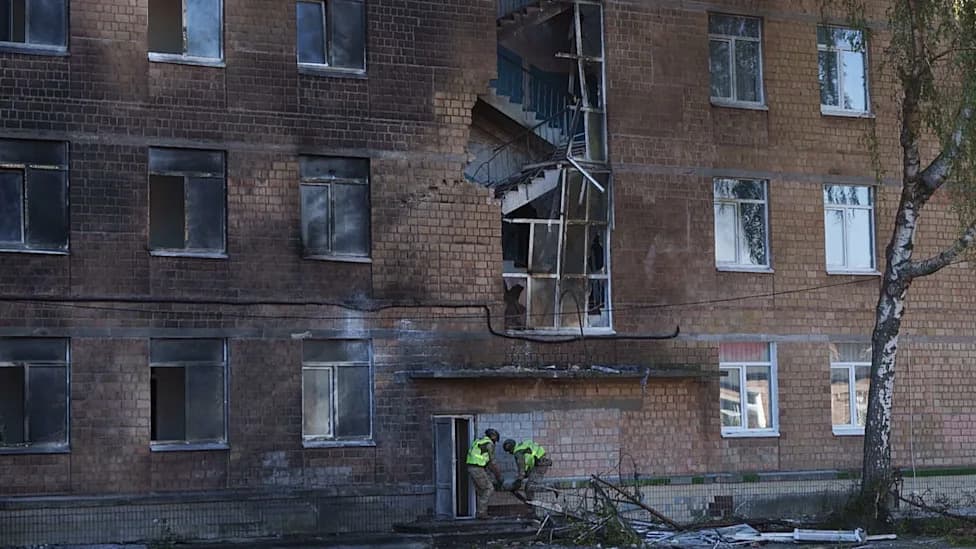
Buslavets also said demand was lower overall: electricity consumption on Ukraine's unified grid fell 6% in the first half of 2026 compared with the same period in 2025, while industrial consumption dropped 13%—a decrease NV said was partly driven by industrial shutdowns after Russian strikes on port infrastructure and vessels. Those shutdowns eased grid strain but caused significant economic harm.
Operational Picture and Risks
Seven of nine nuclear units in non-occupied territory were operating at the time, with one unit completing repairs as another entered scheduled maintenance. Energy Minister Denys Shmyhal said the grid had prepared for peak August demand and roughly 1 gigawatt of additional electricity use, a level of planning that helped reduce the risk of emergency outages during the heat wave.
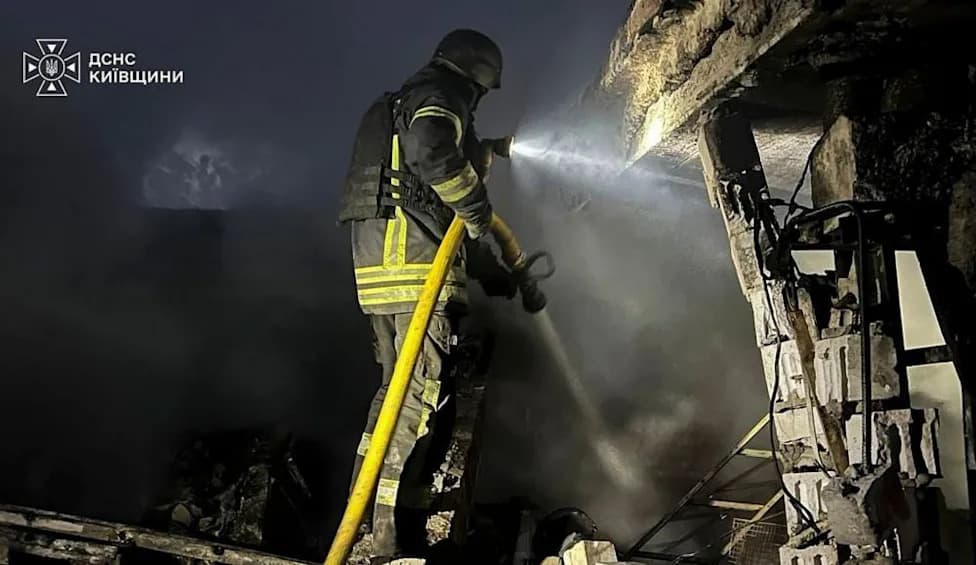
Shmyhal warned that if the war continues into winter, further attacks on Ukraine's energy infrastructure are likely—an outlook that would increase vulnerability and complicate winter preparedness.
Why It Matters
Averting blackouts during extreme heat is a critical public-health and safety outcome: reliable electricity keeps air conditioning, refrigeration, medical devices, communications and water systems running when temperatures spike. Ukraine's recent experience illustrates how resilience is typically the result of multiple, coordinated decisions—reserve generation, timing of maintenance, and demand shifts—rather than a single fix.
Help us improve.