Andrei Klepach, chief economist at state development bank Vnesheconombank, warned that Russia's prolonged war in Ukraine is producing mounting economic and social strains. He said losses from Ukrainian strikes on ports, energy and logistics are creating a macroeconomic barrier to growth. Klepach cautioned that while a total economic collapse is unlikely, an unexpected "social crisis" appears increasingly possible. His remarks were reportedly suppressed online, and former insider Abbas Galyamov urged the Kremlin to take the warning seriously.
Senior Russian State Bank Economist Warns Of Looming Social Crisis Over War Costs
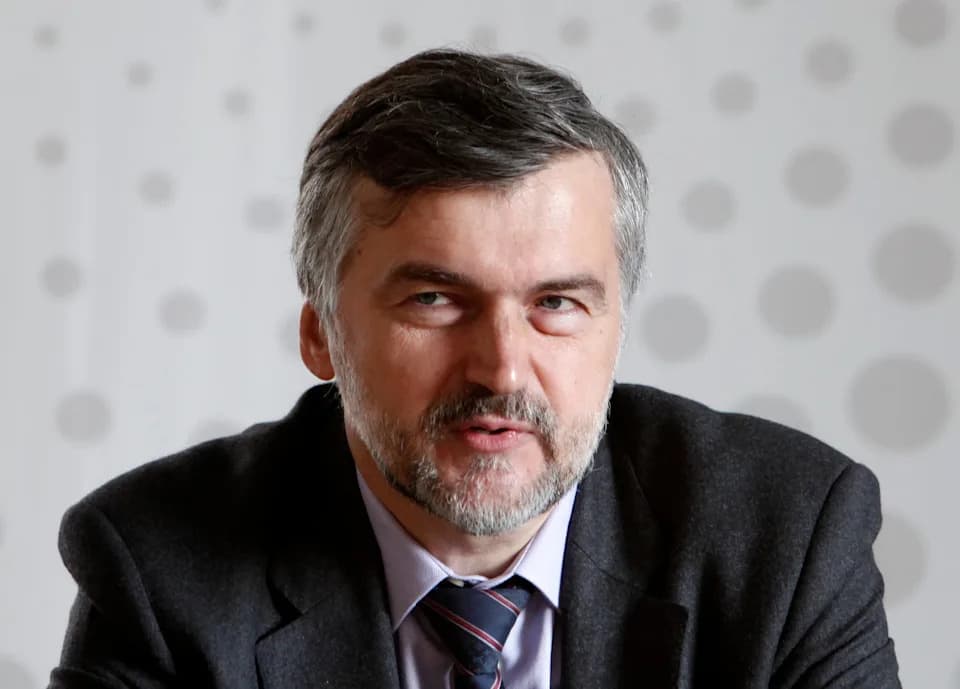
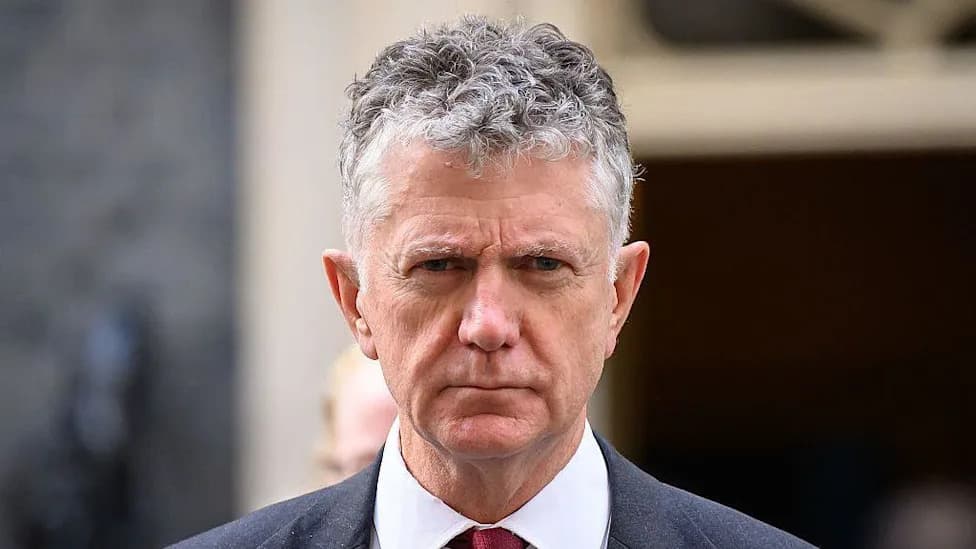
Andrei Klepach in 2012, when he was serving as Russia's Deputy Economy Minister. / Reuters Staff / REUTERS
Andrei Klepach, chief economist at state development bank Vnesheconombank and a former Putin appointee, publicly warned that Russia’s prolonged war in Ukraine is imposing mounting economic and social costs that could precipitate a sudden social crisis.
Speaking at a Moscow forum and reported by The Moscow Times, Klepach delivered a blunt assessment of Russia’s trajectory, saying the country is losing ground competitively and that the costs of the conflict are growing.
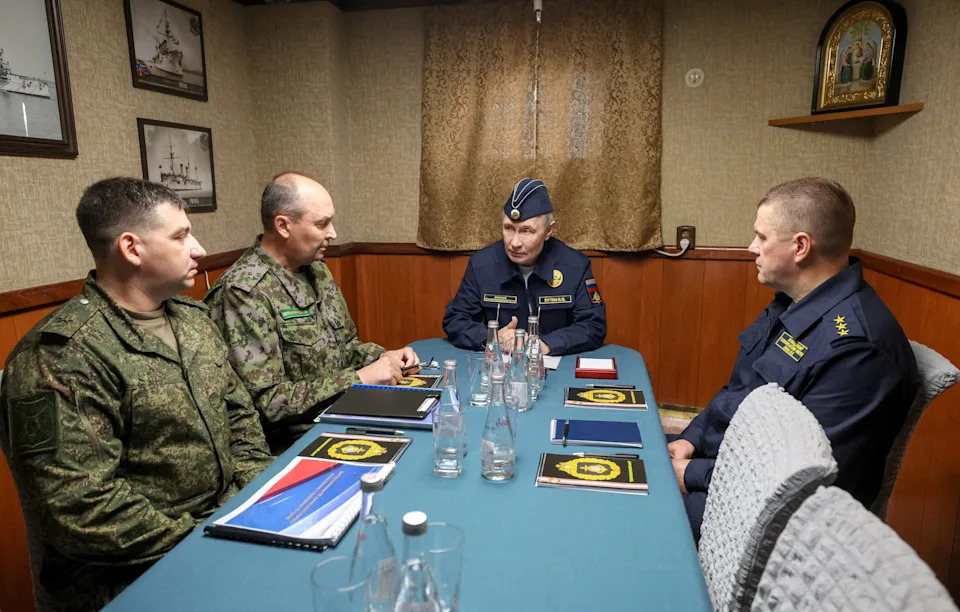
The Russian leader has taken to donning military uniforms for a series of televised public appearances recently. / Gavriil Grigorov / via REUTERS
"We're falling behind. We're losing both the technological and economic competition globally. And, as I've already said, we're losing not only to China and the U.S., but in some ways, we're losing to Ukraine," Klepach said.
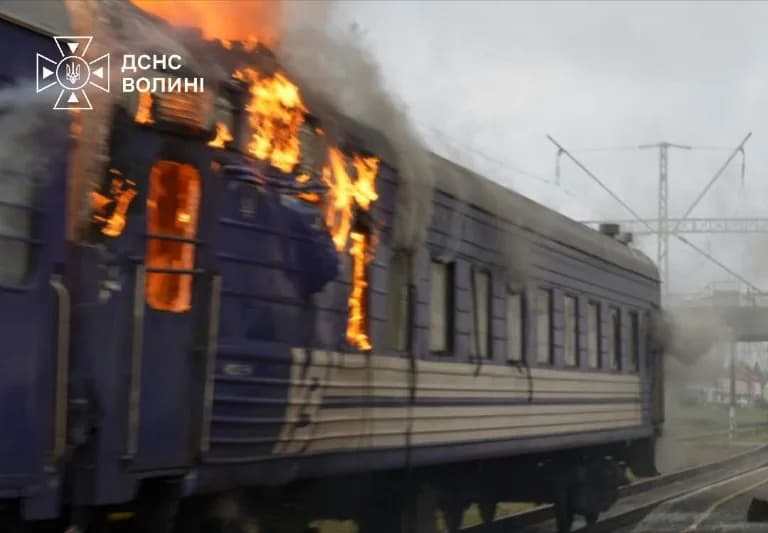
He described the conflict as a costly war of attrition and warned that Russian losses from Ukrainian strikes on infrastructure—ports, oil and gas facilities, chemical plants and logistics networks—are becoming a significant macroeconomic barrier to growth.
"We won't win the competition in this war of attrition. We're under the illusion that everything will collapse. It hasn't, and it won't. Our costs are mounting," he added, emphasizing a widening disconnect between official optimism and economic reality.
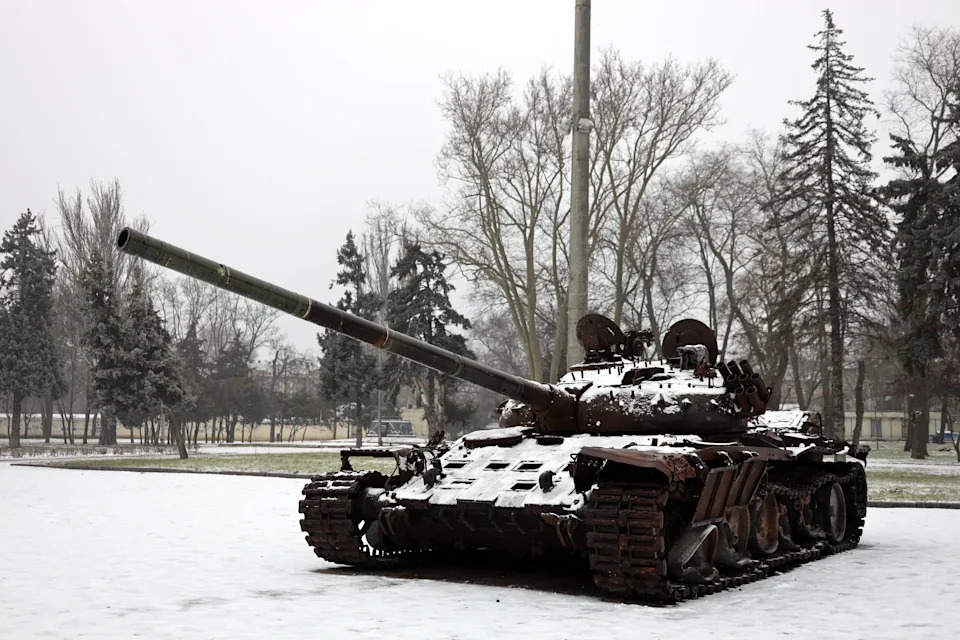
A destroyed Russian T-72 main battle tank on display at Kulykove Pole on Jan. 25, 2026 in Odesa, Ukraine. / Global Images Ukraine / Global Images Ukraine via Getty
Context And Consequences
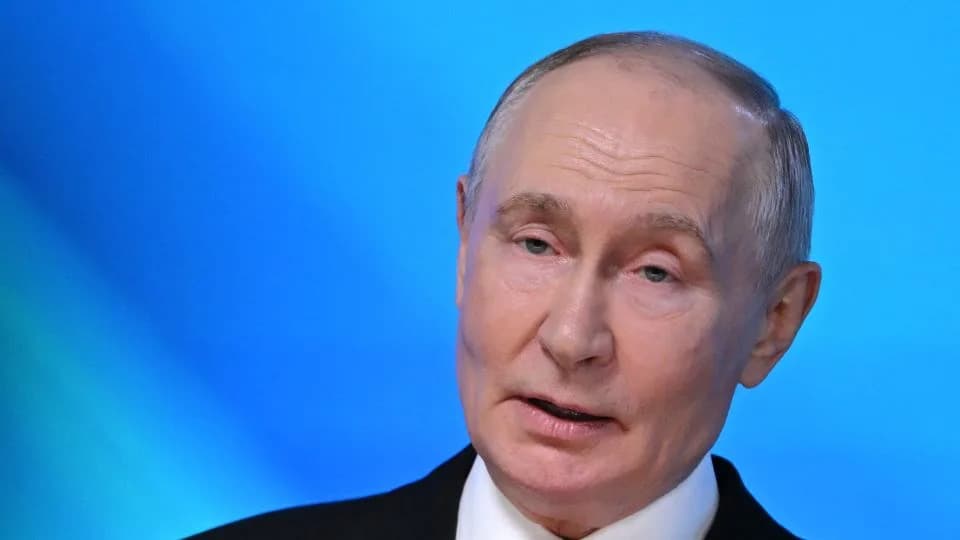
Klepach's remarks came as President Vladimir Putin has intensified efforts to maintain domestic support for the Kremlin's campaign, now in its fifth year and long past the rapid victory the government promised. Instead, setbacks such as long-range Ukrainian drone strikes, fuel shortages and damage to critical infrastructure have placed new strains on ordinary Russians and the national economy.
Klepach drew historical parallels, citing the unpredictability of past upheavals such as the 1917 February Revolution and the Soviet collapse of 1991. He said he did not expect an outright national collapse, but warned he was "almost certain we'll reach a social crisis" that could arrive unexpectedly.
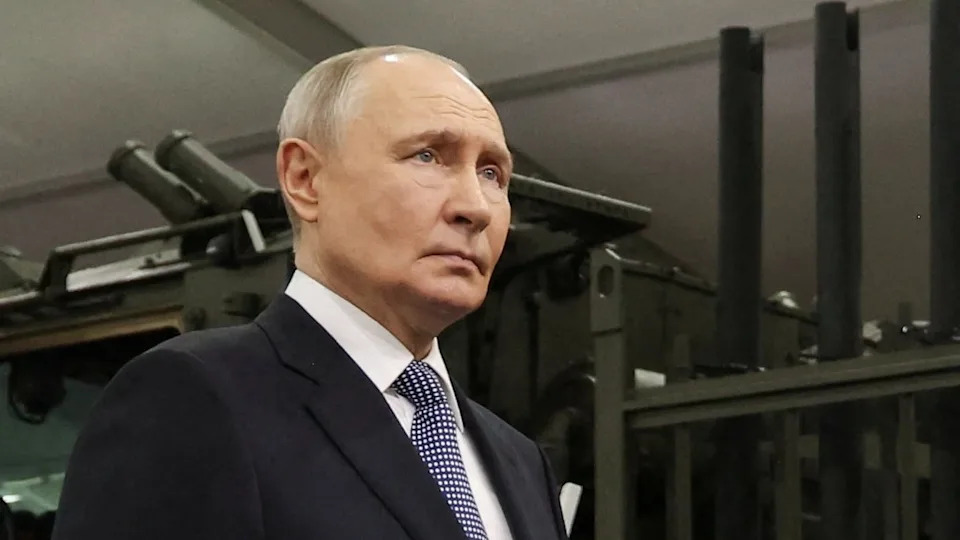
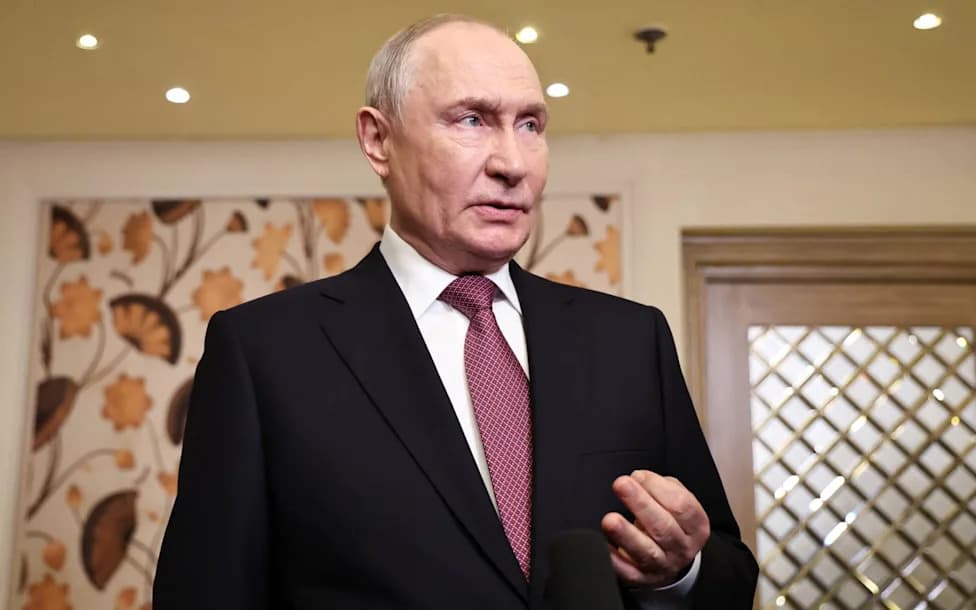
Russian President Vladimir Putin tours the exhibition
Reporting suggests Klepach's comments were largely suppressed online in Russia; searches on the primary domestic search engine Yandex turned up no traces of the remarks, indicating possible censorship.
Reaction From Former Insiders
Former Kremlin speechwriter Abbas Galyamov highlighted Klepach's past influence inside government circles and urged that the Kremlin should heed his warnings. "When I worked in the government apparatus between 2008 and 2010, Klepach served as deputy head of the Ministry of Economic Development. I frequently witnessed the close attention Putin paid to what he said," Galyamov wrote on Telegram.
This public break from the official line by a senior state banker underscores growing strains within Russia's economic and political elite as the conflict endures.
Help us improve.