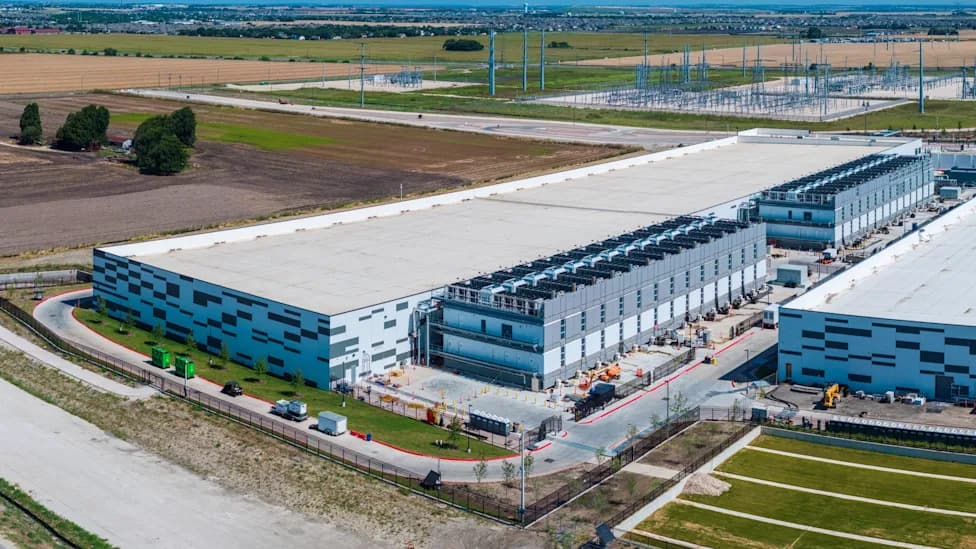
More Perfect Union's investigation finds a rapid buildout of AI data centers near El Paso and across southern New Mexico, with major firms including Meta, Oracle and OpenAI expanding capacity. The outlet reports that roughly two-thirds of new data centers are in drought-prone areas and that indirect water demand could be about 10x higher than what companies typically disclose. Local farmers and residents, including Roberto Roque, warn that rising well use and costs threaten agriculture and call for full on- and off-site disclosure of water and energy impacts.
Investigation: AI Data Centers Near El Paso May Use 10x More Water Than Companies Report
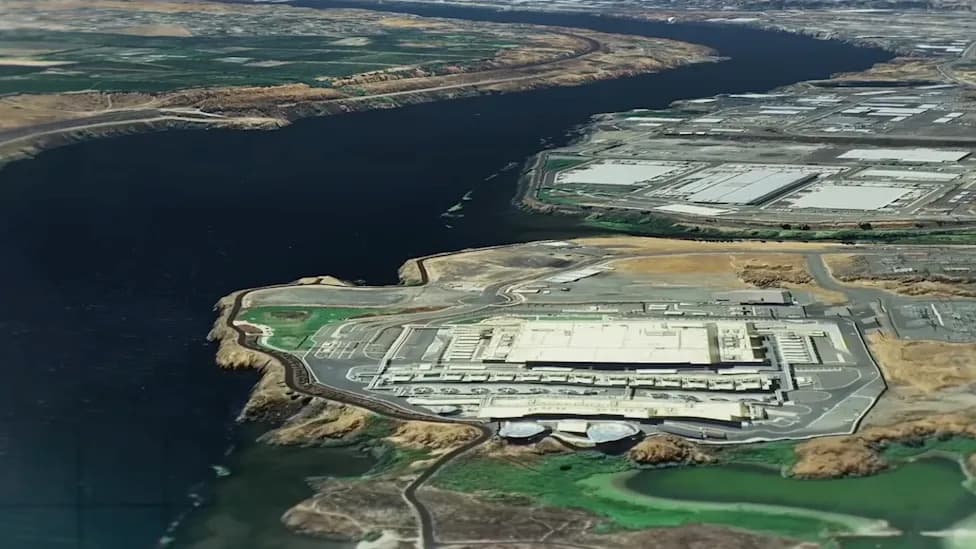
Photo Credit: YouTube
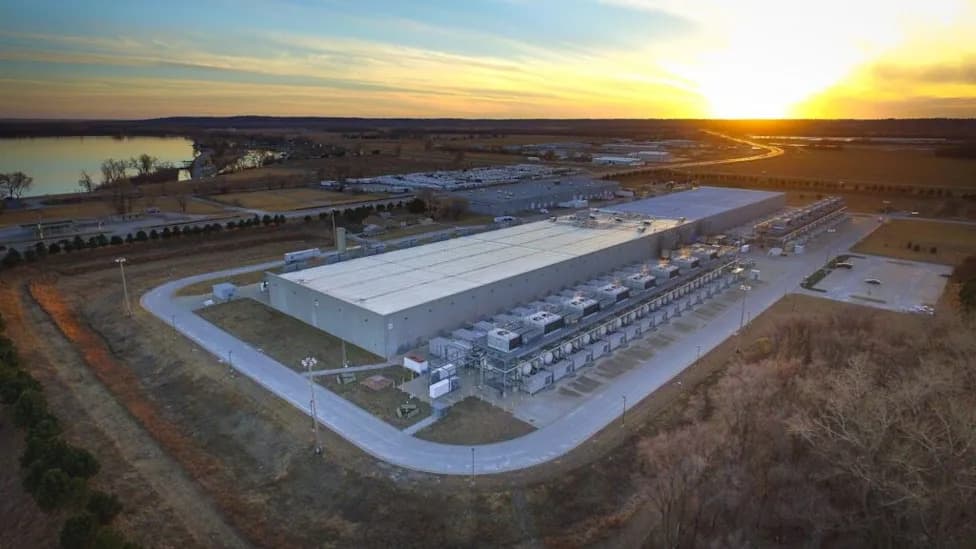
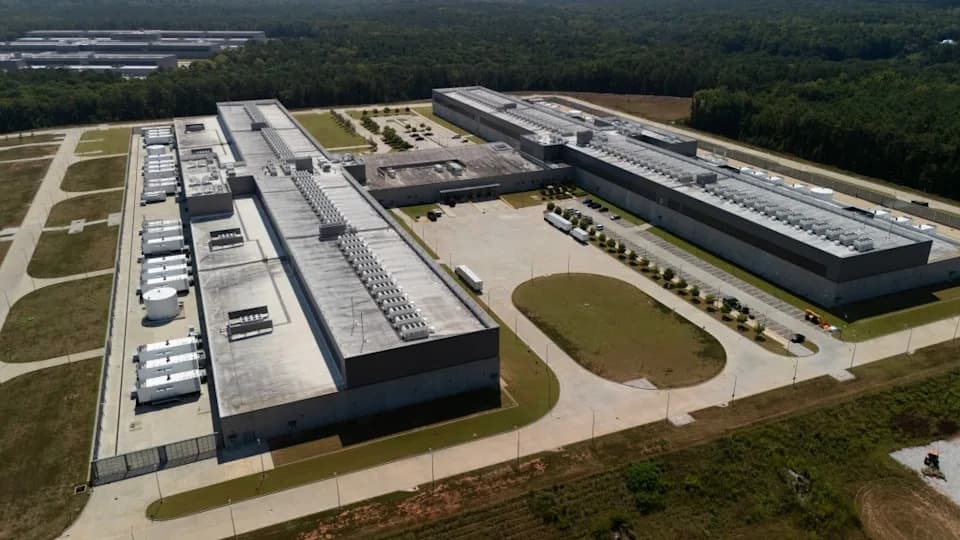
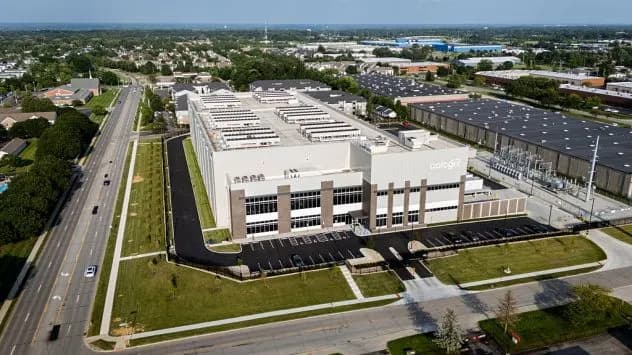
New data center construction across the U.S. Southwest is raising alarms about local water supplies, particularly around El Paso, Texas, and southern New Mexico. An investigative report and video from More Perfect Union says the buildout — which includes projects linked to Meta, Oracle and OpenAI — is concentrated in drought-prone areas and may create far greater water demand than companies disclose.
What the Investigation Found
More Perfect Union reviewed planning and construction activity and concluded that roughly two-thirds of data centers currently being built in the region sit in areas already vulnerable to drought. The outlet also reported that while companies typically disclose the water used inside a facility, indirect or off-site water demand required to support large campuses can be roughly 10 times higher than reported on-site use.
Local Impact: Farms and Communities
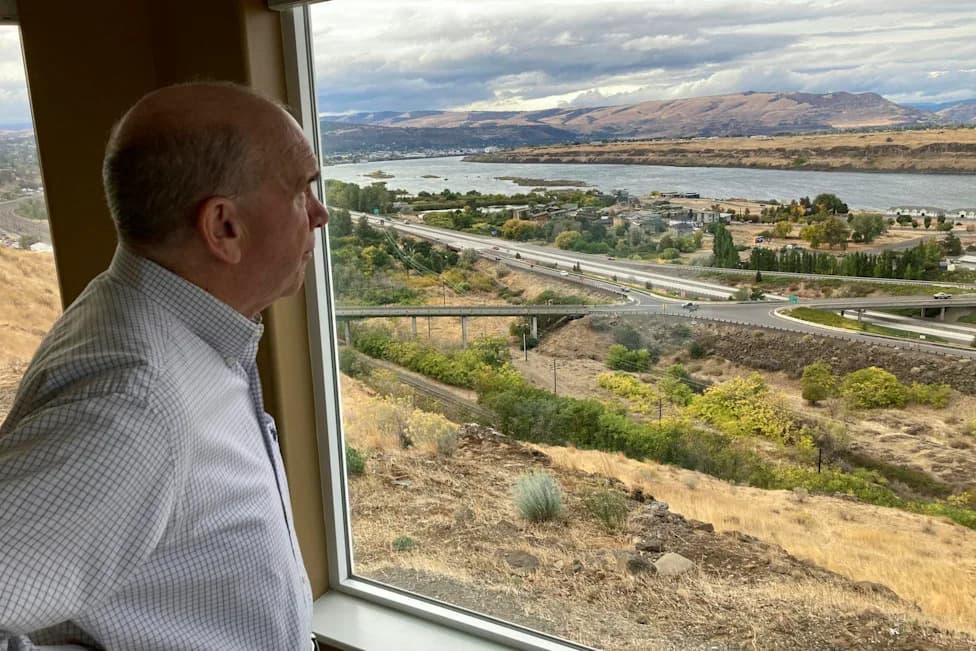
The piece highlights the experiences of local residents, including third-generation pecan farmer Roberto Roque in southern New Mexico, who farms near Project Jupiter — a roughly 1,400-acre development the report links to OpenAI and Oracle. Roque says shrinking surface supplies have forced growers to drill costly agricultural wells, increasing expenses and threatening long-term agricultural viability.
"It's very difficult because instead of relying on the water that comes from the Rocky Mountains, we've had to invest into agricultural wells and that becomes very expensive," Roque told the outlet.
Residents and commenters in the report framed the issue bluntly: one asked, "So they privatize the profits but socialize the expenses?" Many interviewees called for greater transparency and public involvement in permitting decisions.
Transparency, Policy, and Technical Fixes
Critics argue that current disclosures understate the true resource footprint of sprawling data campuses by focusing only on on-site water consumption. Community advocates are calling for mandatory full disclosure of total water and energy impacts — both on-site and off-site — to give local governments and residents accurate data for permitting and planning.
Technical and policy measures could reduce strain on freshwater systems: using recycled or nonpotable water, adopting less water-intensive cooling technologies, siting new facilities where water supplies are more resilient, and pairing new electrical demand with cleaner power sources.
What Comes Next
Until companies and regulators adopt stronger disclosure rules and water-saving practices, local communities say they will continue to press for protections. As Roque put it, the stakes for agriculture and food production are high:
"If they consume the amount of water that people are saying that they're going to consume, then what are we going to eat? Because agriculture is going to cease to exist."
Reporting Note: The findings summarized here are based on More Perfect Union's investigative reporting and video. Local permitting records and company statements vary; where possible, planning authorities and firms should be consulted directly for the most current data.
Help us improve.