Flock Safety announced new privacy measures — cutting default data retention from 30 to seven days, requiring mandatory auditing tools, and planning to require case numbers for law-enforcement searches by the end of 2026. Civil-liberties groups including the I.J. and ACLU argue the changes are easily circumvented and do not address constitutional concerns. Critics say only a warrant requirement and independent oversight would meaningfully protect against warrantless mass surveillance.
Flock Safety's Privacy Fixes Fall Short — Critics Demand Warrant Requirement For ALPR Searches

Illustration: Midjourney.
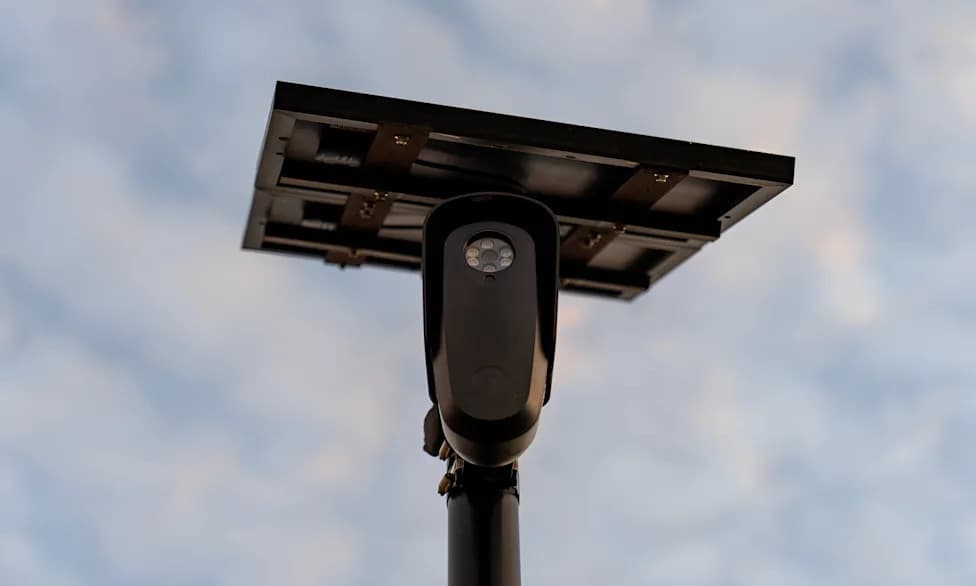
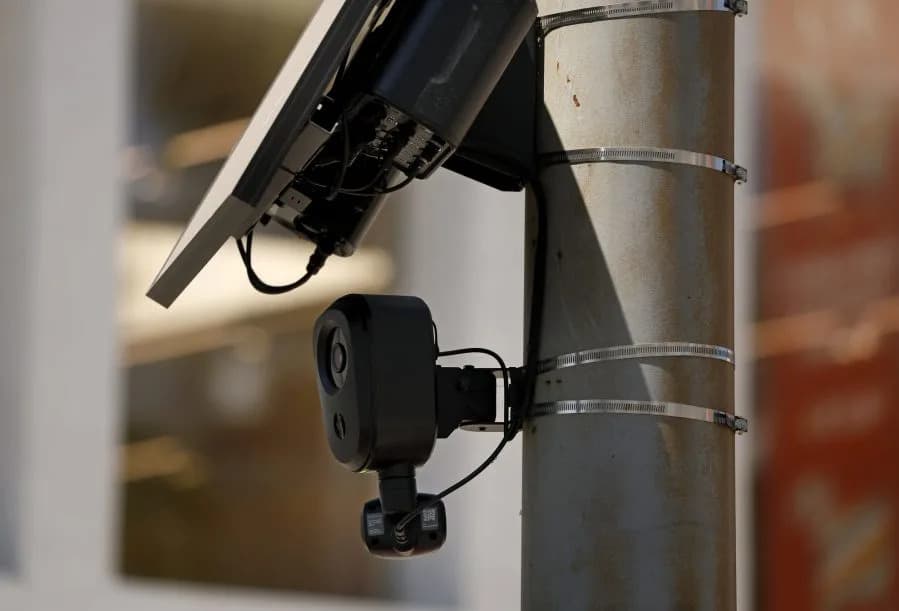
Facing growing public criticism, Flock Safety — the largest provider of automatic license plate readers (ALPR) in the United States — announced a package of privacy and security changes that it says will "strengthen privacy, accountability, and security." Civil-liberties groups and privacy advocates say the measures are insufficient and do not resolve core constitutional concerns about mass location tracking and warrantless searches.
What Flock announced
In response to mounting backlash, Flock said it would:
- Reduce the default retention period for raw data from 30 days to seven days unless footage is explicitly tagged for preservation.
- Make its auditing tools mandatory for all customers.
- Require law enforcement to provide case numbers for ALPR database searches by the end of 2026.
- Reiterate that customers own their ALPR data and control access, and emphasize that any police leads generated by the system should be corroborated by an officer.
Why critics remain unconvinced
Advocates from organizations including the Institute for Justice (I.J.) and the American Civil Liberties Union (ACLU) call the reforms largely cosmetic. They point to an array of concerns: the lack of independent verification for case numbers, easy ways to circumvent new rules, reliance on police departments to police themselves, and the absence of any requirement that police obtain a warrant based on probable cause before searching ALPR records.
Robert Frommer, senior attorney at I.J., described the changes as "window dressing," arguing they shift responsibility to local agencies rather than establishing enforceable legal limits. Chad Marlow, senior policy counsel at the ACLU, said the announcement "appears more focused on addressing a PR problem than the significant privacy and other harms its products create." The ACLU's review found practical routes to bypass the proposed safeguards and doubts that protections will be applied consistently.
Other practical examples of past misuse bolster the critics' case. Reported incidents have included wrongful stops at gunpoint and non-law-enforcement uses such as stalking romantic partners. The I.J. has tracked more than 100 alleged incidents of ALPR abuse, and independent websites have mapped over 130,000 ALPR cameras across the country. Activists in at least 23 states reportedly damaged devices, and more than 20 local jurisdictions canceled contracts with Flock in July.
Concerns About Enforcement And Transparency
Observers also criticize the lack of detail around enforcement. For example, Flock's plan to require case numbers does not explain how the company will verify their legitimacy. A prior attempt to limit misuse — asking officers to state a reason for each lookup — was undermined when some officers entered vague or meaningless justifications such as "criminal justice," "investigation," or even "hehehe."
I.J. attorney Michael Soyfer has described Flock's auditing tool as a "black box," noting limited public information about how it operates and questioning whether a private company can be relied upon to hold police accountable when police departments are the company's primary customers.
The constitutional baseline
Advocates stress that the Constitution already provides a framework to prevent unreasonable searches and seizures. Many privacy groups say the only meaningful safeguard would be to require law enforcement to obtain a warrant supported by probable cause before searching ALPR databases — a change that would shift enforcement from company policy to court-supervised legal standards.
Bottom line
Flock Safety's policy changes narrow some data-retention windows and add controls, but they stop short of binding legal protections such as a warrant requirement and independent oversight. For critics, that means the reforms fall short of addressing widespread concerns about location tracking, police misuse, and the need for enforceable limits on mass surveillance.
Help us improve.