Bulldozers have begun clearing land inside Big Bend National Park as part of a proposed $1.72 billion project within a larger border-build program. Local officials, a former park superintendent and Indigenous groups warn the work threatens wildlife, archaeological and sacred sites, and regional tourism. Lawsuits and protests aim to block construction while critics call for lower-impact technological solutions instead of roads and vehicle barriers.
Bulldozers Tear Into Big Bend National Park — Locals, Tribes and Former Rangers Sound the Alarm
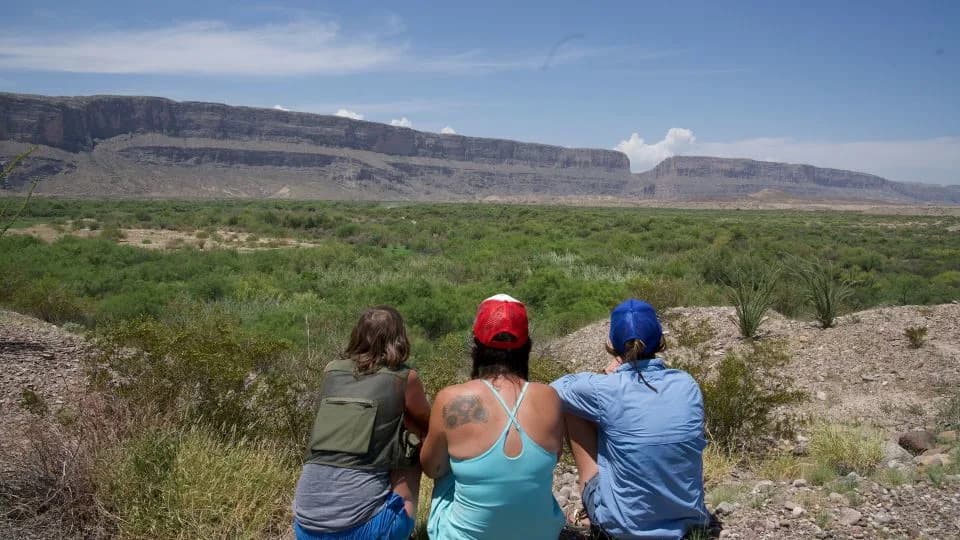
A group of local residents tearfully watch bulldozers go to work deep in the brush near the Rio Grande in Big Bend National Park. - Ashley Killough/CNN
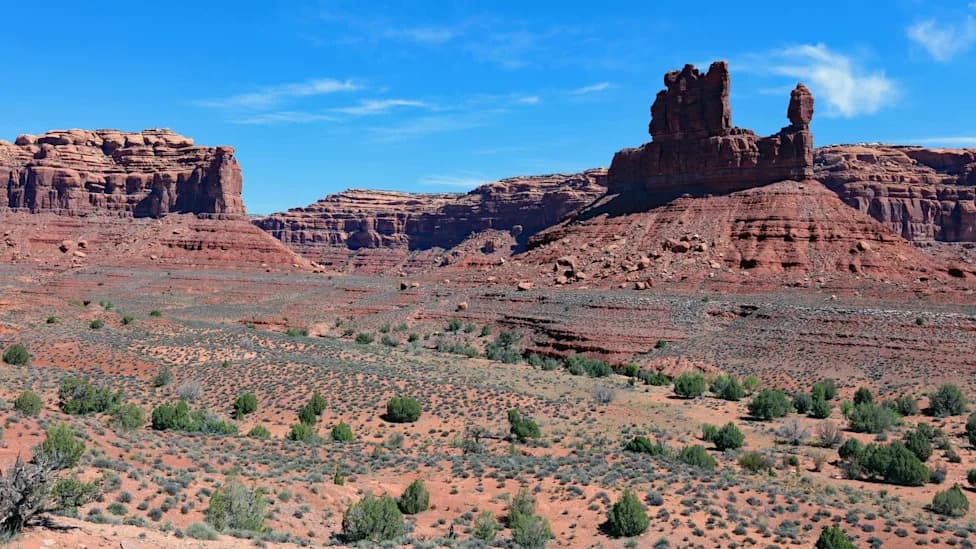
The Big Bend region's towering cliffs, jagged summits and harsh desert have long served as a natural barrier along the U.S.–Mexico border. But bulldozers have begun clearing land inside Big Bend National Park as part of the administration’s expanded southern border plan, touching an area that accounts for roughly 1% of unauthorized crossing apprehensions.
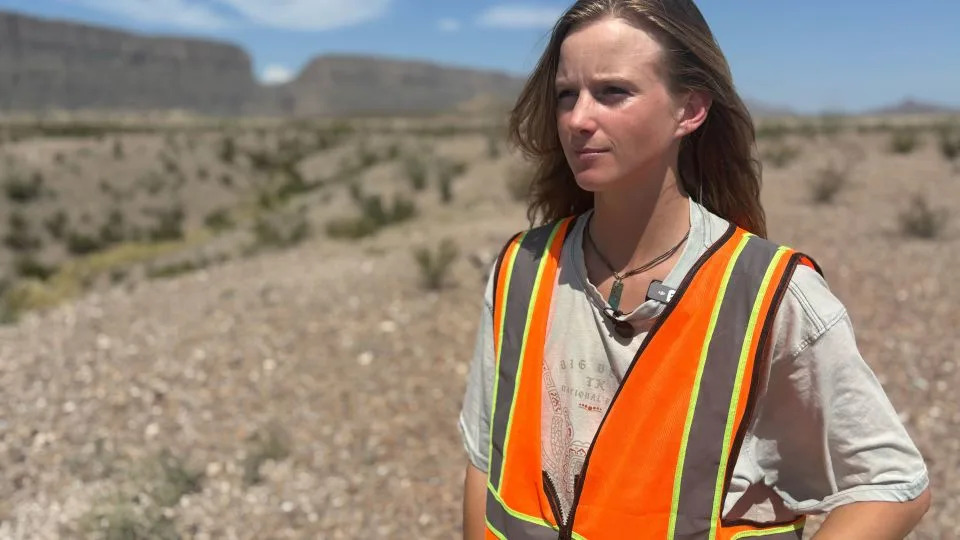
Natalie Newman spends her days documenting and filming the work that federal contractors are doing in the park to clear land. . - Ashley Killough/CNN
U.S. Customs and Border Protection (CBP) says crews are conducting preliminary survey and design work ahead of a budgeted $1.72 billion project for park lands. The administration’s broader border program allocates tens of billions more — roughly $46.5 billion in recent legislation, with about $7 billion proposed for the wider Big Bend sector.
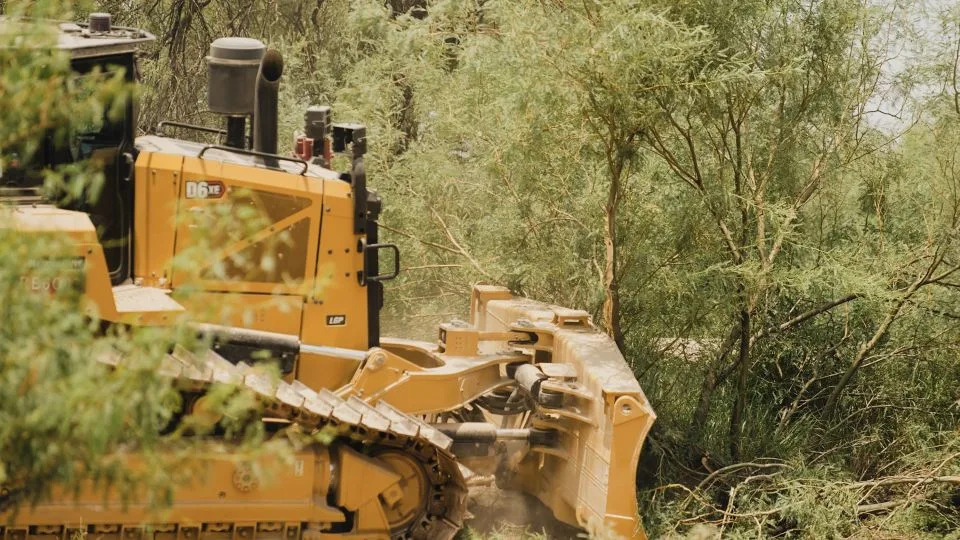
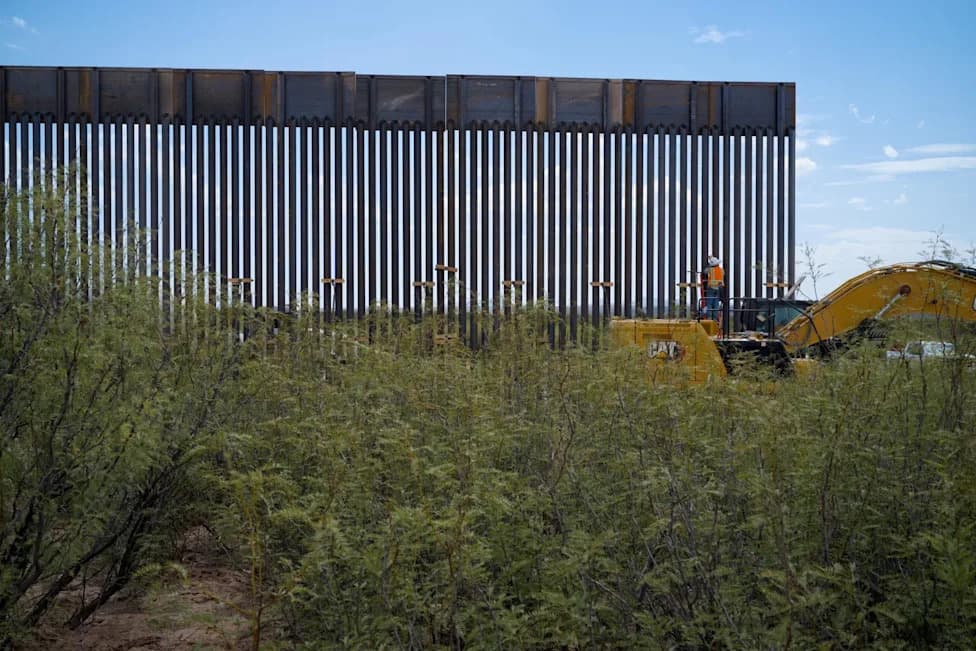
A bulldozer clears brush near the border in Big Bend National Park in Texas on August 7, 2026. - Natalie Newman
Concerns From Local Officials, Former Superintendents and Indigenous Groups
Local leaders, conservationists and Indigenous groups have reacted with anger and heartbreak. Retired Big Bend superintendent Bob Krumenaker, who now chairs the advocacy group Keep Big Bend Wild, warned the work could be "the biggest desecration of the national park system" since the Hetch Hetchy controversy more than a century ago.
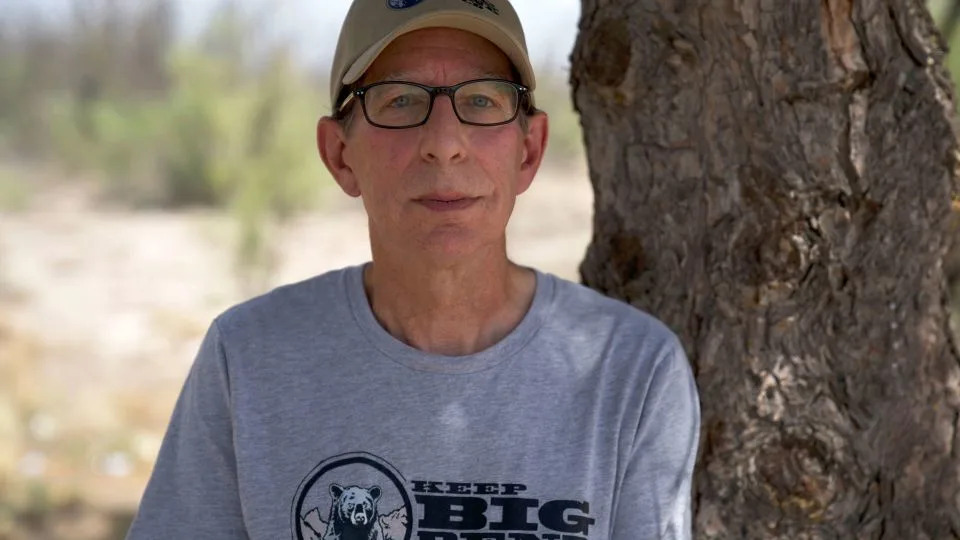
Bob Krumenaker, former superintendent of Big Bend National Park, now leads the group Keep Big Bend Wild. "We are destroying the faith of the American people in their government to protect the most important lands in this country," he said. - Ashley Killough/CNN
"I totally support a secure border in Big Bend, but this is the least active place in the country for illegal border crossings," Krumenaker told reporters. "This is purely political, and it risks destroying one of the nation's greatest places."
Sheriff Thaddeus Cleveland of sparsely populated Terrell County — a former U.S. Border Patrol agent — echoed calls for a lower-impact approach. He and other locals argue the region’s steep canyons and remote terrain form a "God-made barrier" and that technology such as solar radar towers, cameras and drones would better protect the border without the environmental damage and expense of new roads and vehicle barriers.
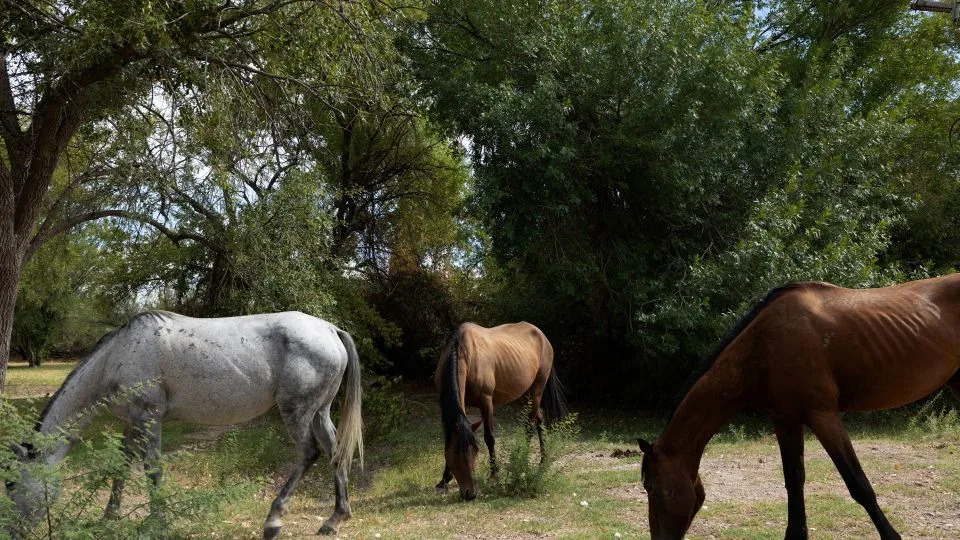
Wild horses roam through campsites near the Rio Grande Village in Big Bend National Park in June 2025. - Kaylee Greenlee/Reuters
Environmental, Cultural and Economic Stakes
Photographers and documentarians who monitor the park describe heavy equipment uprooting trees and scraping soil near Santa Elena Canyon as wildlife moves nearby. Big Bend is larger than the state of Rhode Island and forms part of the Chihuahuan Desert, North America’s largest desert ecosystem. Advocates warn that new access roads, vehicle barriers, and construction camps could fragment habitat, introduce debris into the Rio Grande and light-pollute some of the darkest night skies in the Lower 48.
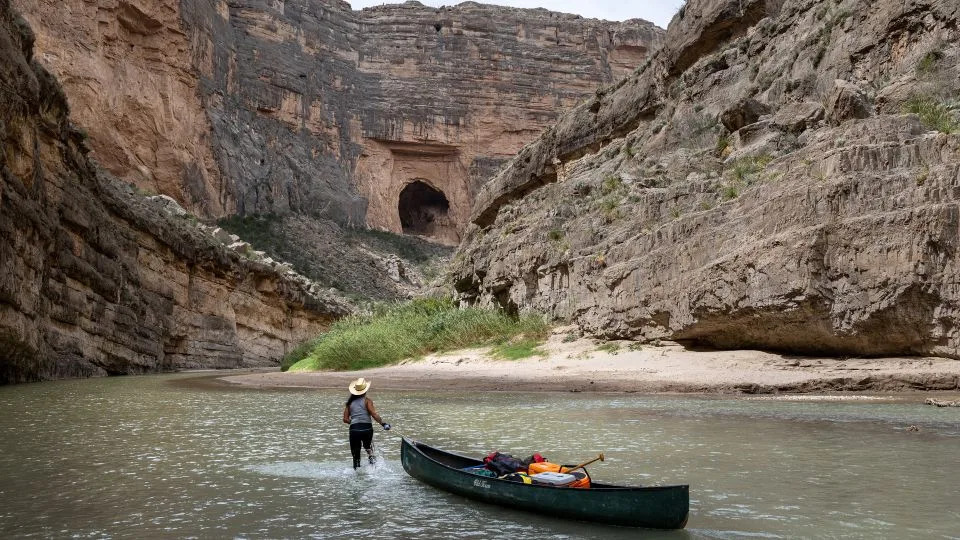
A river guide pulls a canoe through the Santa Elena Canyon in April 2026. Tourism is an important business for the area. - John Moore/Getty Images
Tourism — river guiding, stargazing and backcountry visits — is a vital local economy. Some park roads and facilities have already been closed because of the work, and residents fear long-term impacts on visitors and businesses.
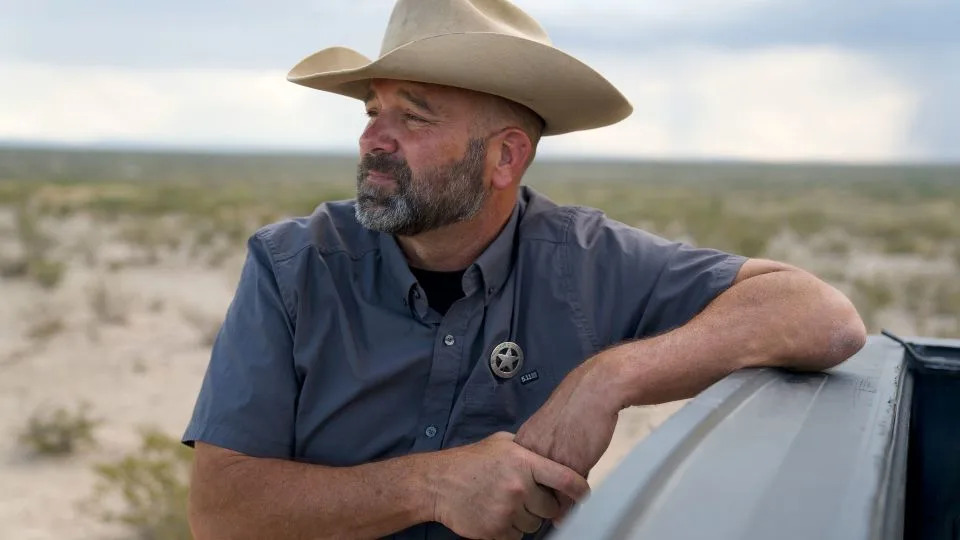
Republican Sheriff Thaddeus Cleveland of Terrell County opposes the Trump administration's plans for the broader Big Bend region, saying the area needs more technology, not physical barriers. - Ashley Killough/CNN
Legal Challenges And Political Pushback
A coalition led by The People Of La Junta For Preservation, together with an outdoor recreation company and members of the Lipan Apache community, filed suit in federal court seeking to block construction. The plaintiffs contend the project would irreparably harm archaeological sites and landscapes used for religious practices, arguing such damage cannot be undone.
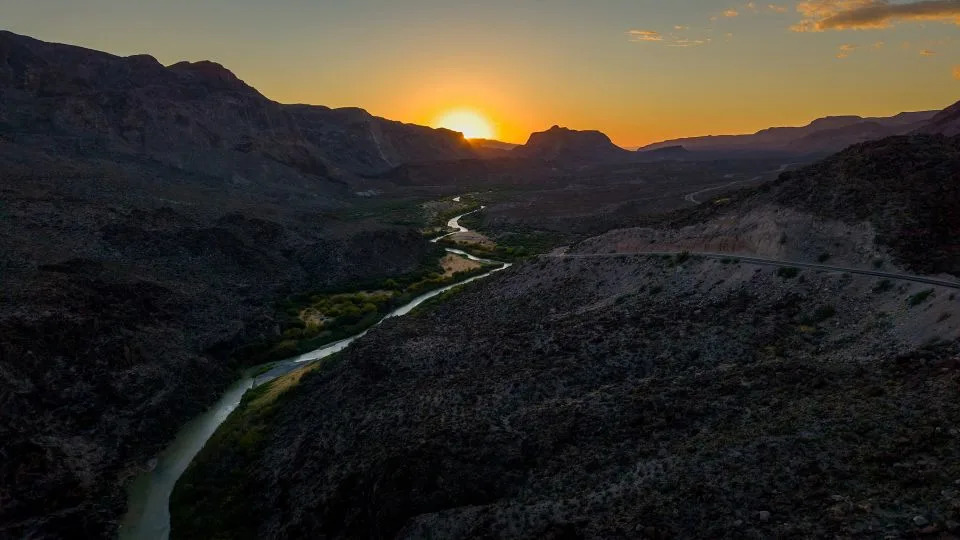
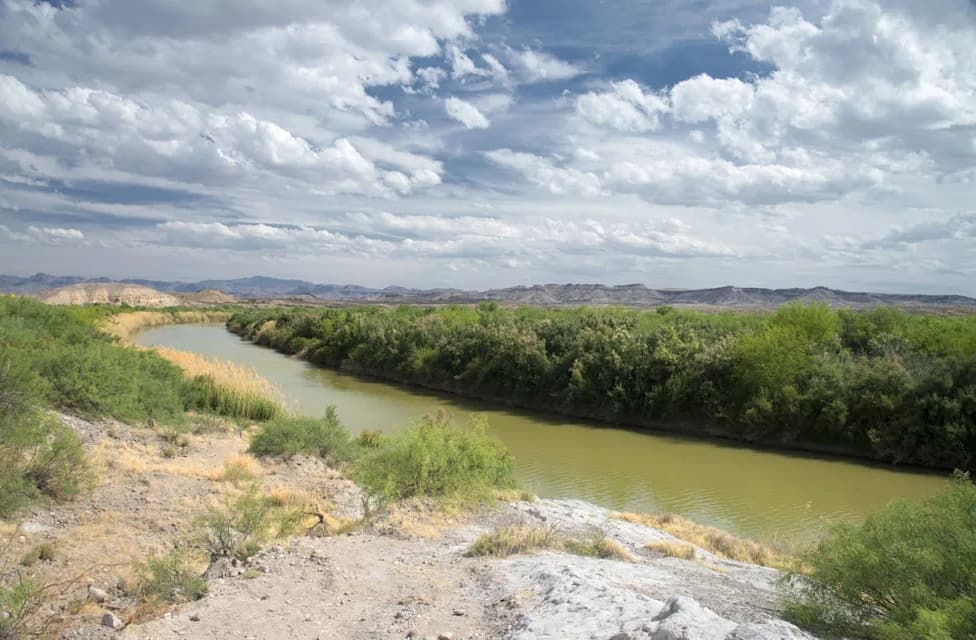
The Rio Grande, shown in an aerial view, divides the United States (right) and Mexico and gives the Big Bend region its name. - John Moore/Getty Images
State and federal officials have weighed in: Texas leaders have pressed CBP for consultation with local stakeholders, and Texas Land Commissioner Dawn Buckingham sent a cease-and-desist letter after alleging that a federal contractor worked on state park land without permission. U.S. Senator John Cornyn urged the Department of Homeland Security to meet with local stakeholders before further work proceeds.
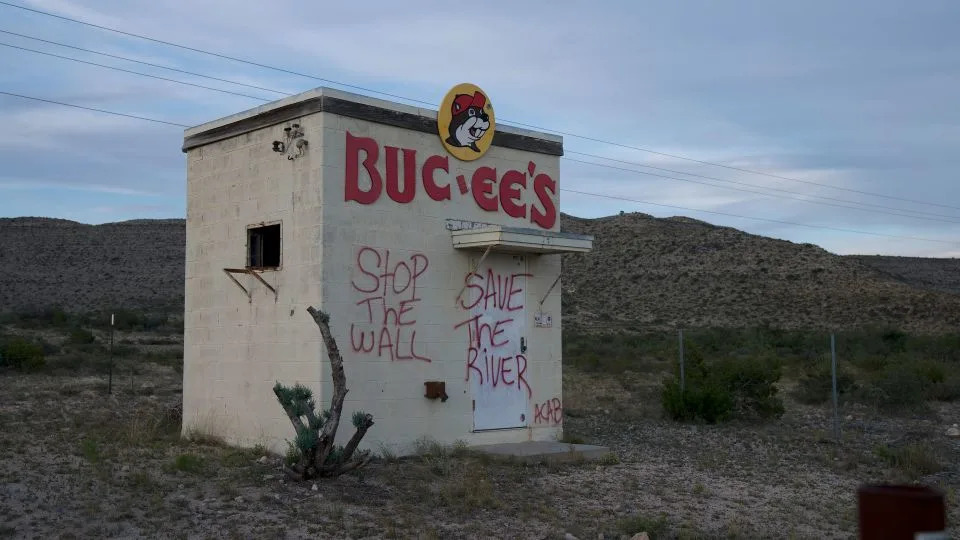
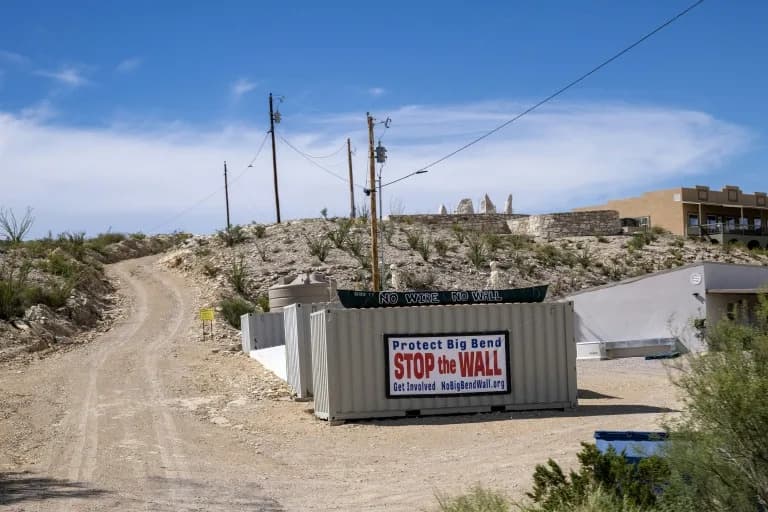
An art installation near Marathon, Texas, reflects local opposition to the Trump administration's plan to construct hundreds of miles of physical barriers in the broader Big Bend region. - Ashley Killough/CNN
CBP Response
CBP Commissioner Rodney Scott characterized the agency’s activity as survey and design work rather than immediate construction of a continuous 30‑foot wall across park lands. He said plans include building one new access road, improving existing routes, installing detection technology and adding vehicle barriers in "limited, strategic locations." The agency says it aims to protect visitor access and preserve landscape features where possible.
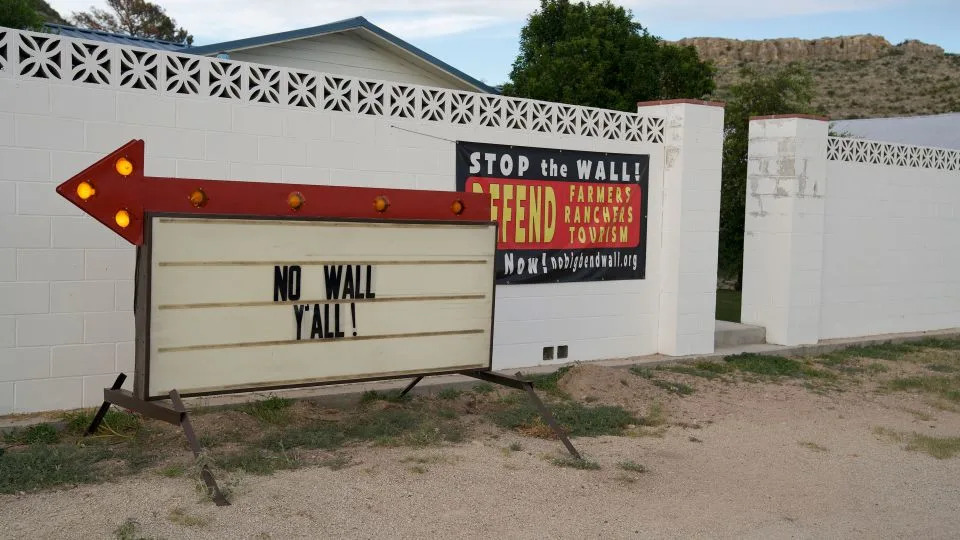
Signs in Sanderson, Texas reflect local pushback against the Trump administration's plan to construct miles and miles of vehicle barriers along the border in Terrell County. - Ashley Killough/CNN
Still, opponents say waivers of environmental, historic-preservation and wildlife protections have reduced oversight and increased the risk of permanent harm to cultural sites and fragile ecosystems.
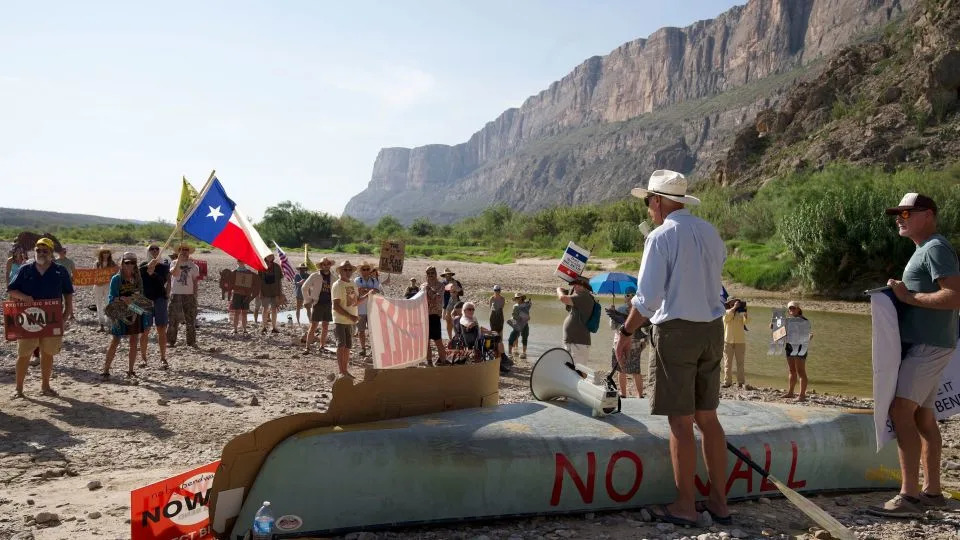
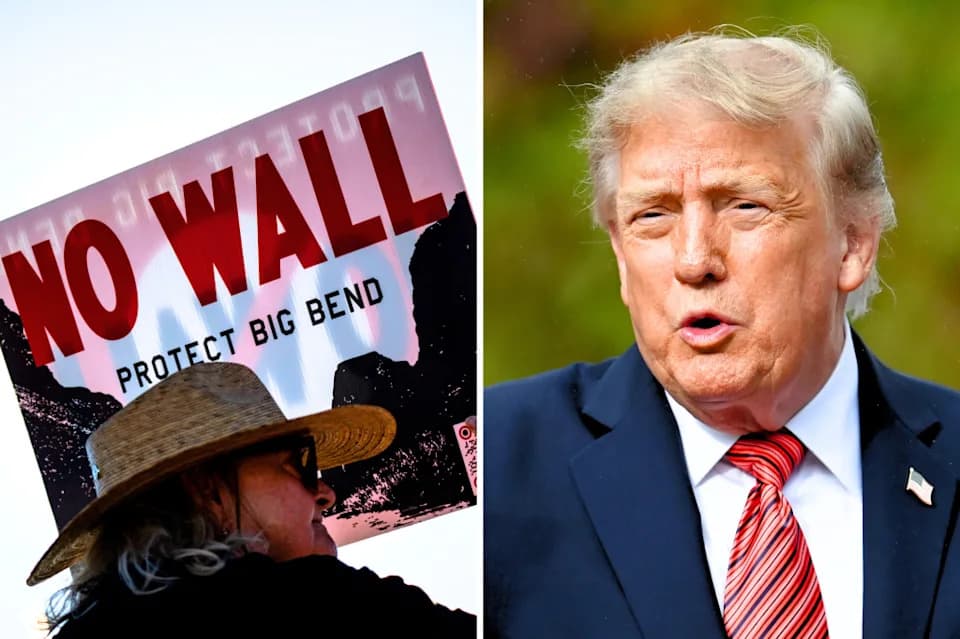
Protesters gather Wednesday near where the first bulldozer was seen inside Big Bend National Park, vowing to keep fighting against construction. - Ashley Killough/CNN
On the Ground
Protests have sprung up along the Rio Grande. Residents, Indigenous community members and visitors gathered at Santa Elena Canyon to pledge continued resistance. "The land remembers, the water remembers — it will remember us and our fight," said one demonstrator as voices echoed off canyon walls.
This story continues to develop as legal challenges, political negotiations and on-the-ground activity unfold. Officials from the Department of Homeland Security were asked for comment.
Help us improve.