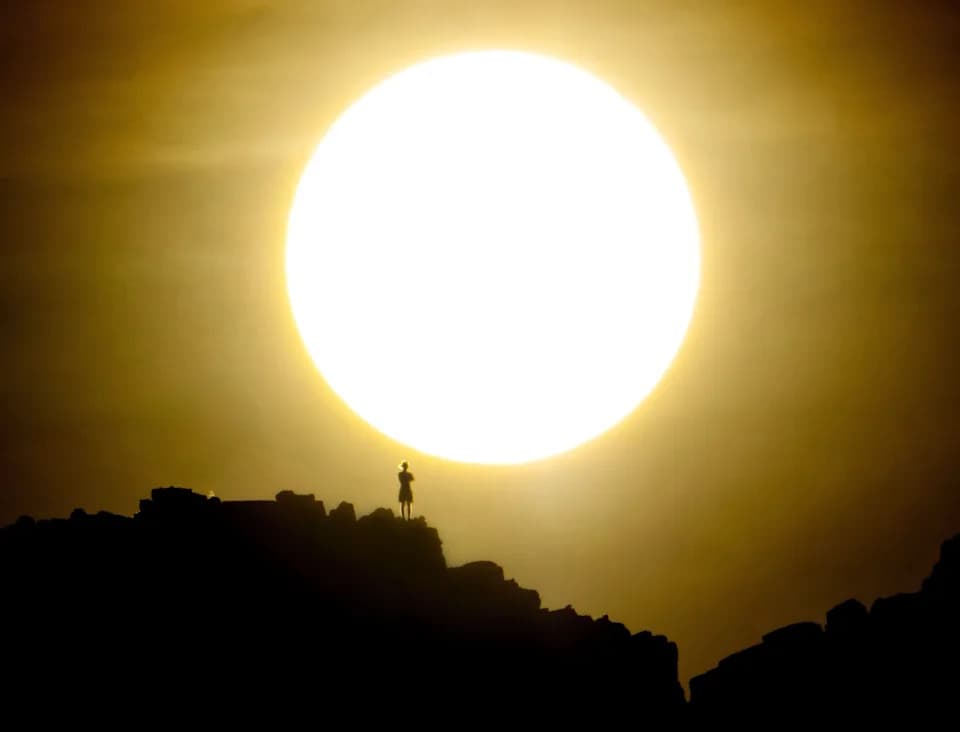
Rising global temperatures, wildfire smoke and worsening air quality are eroding the traditional summertime mood in 2026. People worldwide are altering travel, work and leisure routines — checking air quality, shifting activities to cooler hours and treating summer outings as risk-managed plans. Scientists warn that a strong El Niño plus ongoing emissions could make 2026 the hottest year on record, while unequal access to air conditioning and flexible schedules means the ability to enjoy a cooler summer is increasingly a matter of privilege.
Summertime Is Fading: How 2026’s Heat Waves, Smoke and Inequality Are Ending the Carefree Season
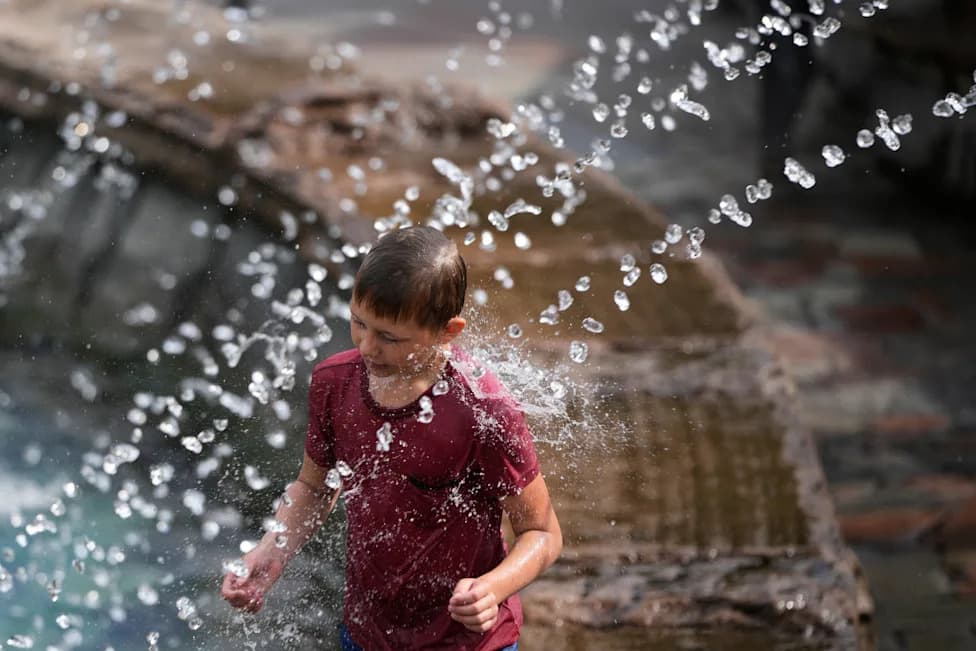
A boy cools himself off in a fountain on a hot summer day in Moscow, Thursday, Aug. 6, 2026. (AP Photo/Pavel Bednyakov)(AP Photo/Pavel Bednyakov)
London — The easygoing, carefree mood many associate with summer is eroding as the season itself becomes hotter, smokier and more dangerous around the world. Driven largely by the burning of oil, gas and coal, human-caused climate change is lifting temperatures year-round: Arctic ice is melting, droughts and wildfires are intensifying, storms are strengthening, and millions who lack air conditioning or flexible time off are left exposed.
In Japan, meteorologists have even coined a term for the phenomenon: kokusho-bi, often described as a “cruelly hot day.” But what is truly fading this year is not the calendar season so much as the summertime state of mind — lazy afternoons, warm nights and the brief, restorative freedom from school, parents or work.
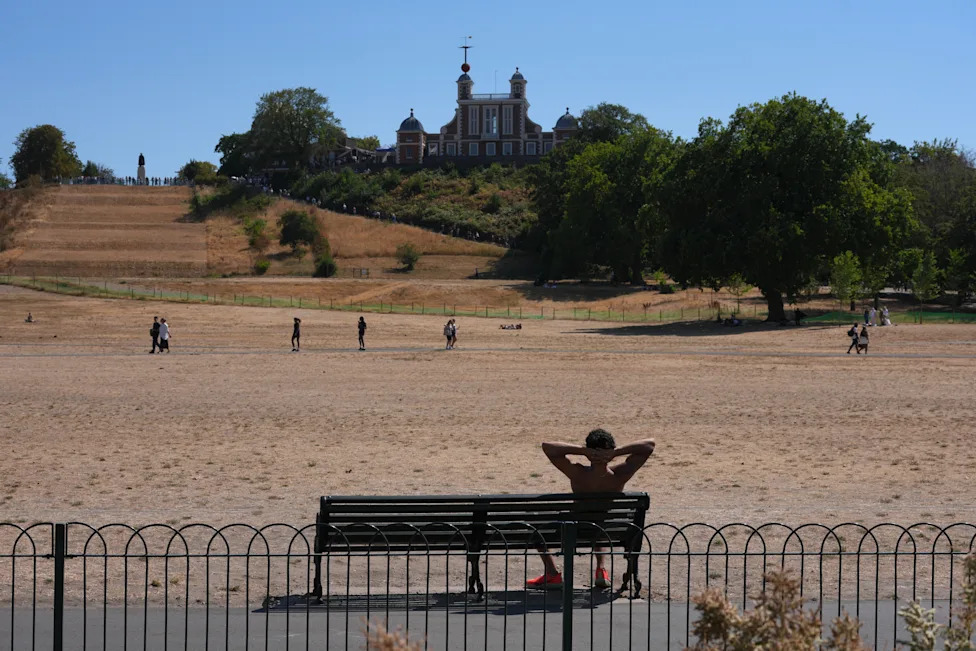
A man sits on a bench in Greenwich Park amid dried grass in London, Tuesday, Aug. 11, 2026. (AP Photo/Kin Cheung)(AP Photo/Kin Cheung)
“I mourn for the way summer used to be,” climate-fiction author Debra Denker wrote recently, recalling the balmy, leisurely summers of her childhood and warning that without changes, today's children may never know those carefree days.
The evidence is visible and mounting. Smoke from wildfires across North America and Europe has turned skies orange and made the air taste gritty. Cities such as Paris have seen conditions that can become deadly. Nighttime routines tumble into a narrow loop: sleep, shower, open a window — then shut it again to block out noise or rising heat. Sunlight that once felt restorative now often sears.
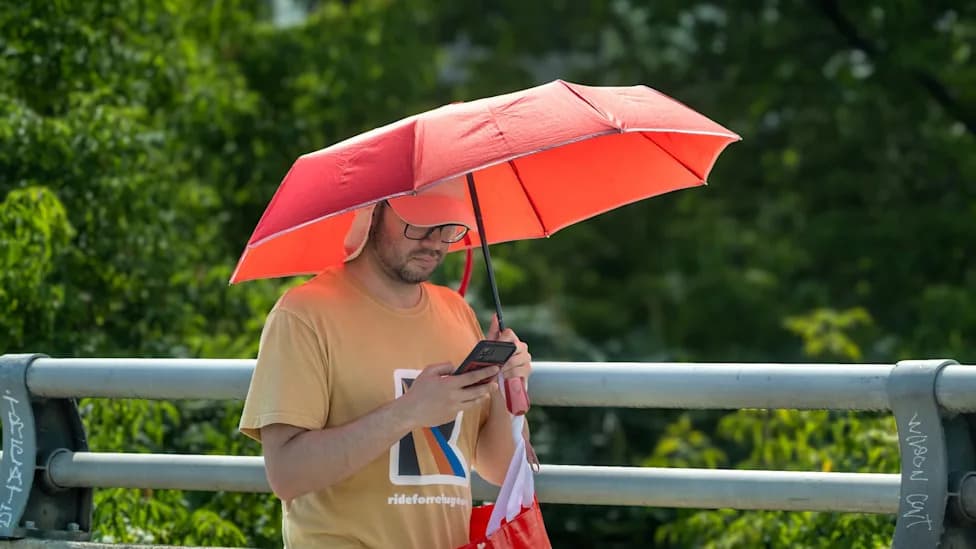
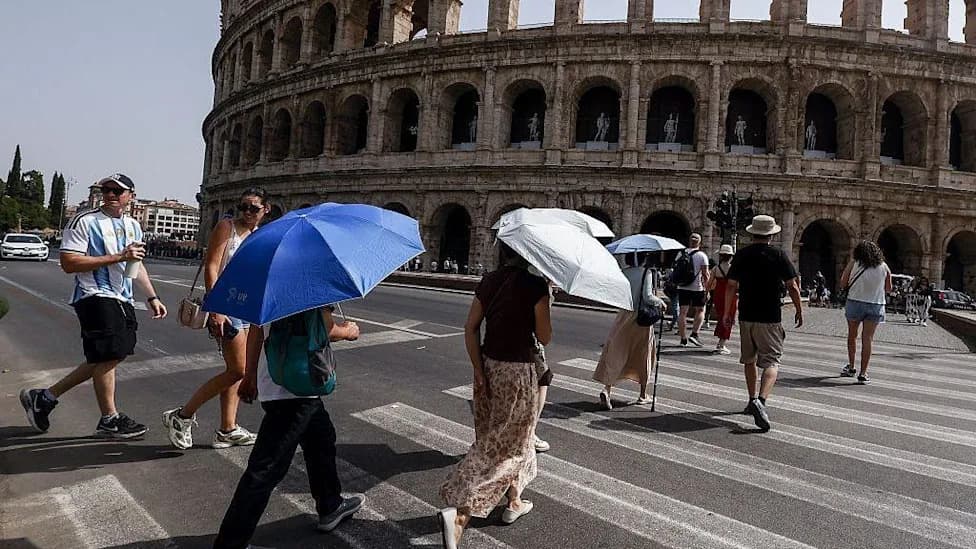
Behavioral shifts are widespread. Checking the air quality index has become part of stepping outside. People schedule errands and work for cooler morning hours and push social plans later into the evening. A full day at the beach or an August holiday in Europe is increasingly treated as a matter of risk management rather than uncomplicated pleasure.
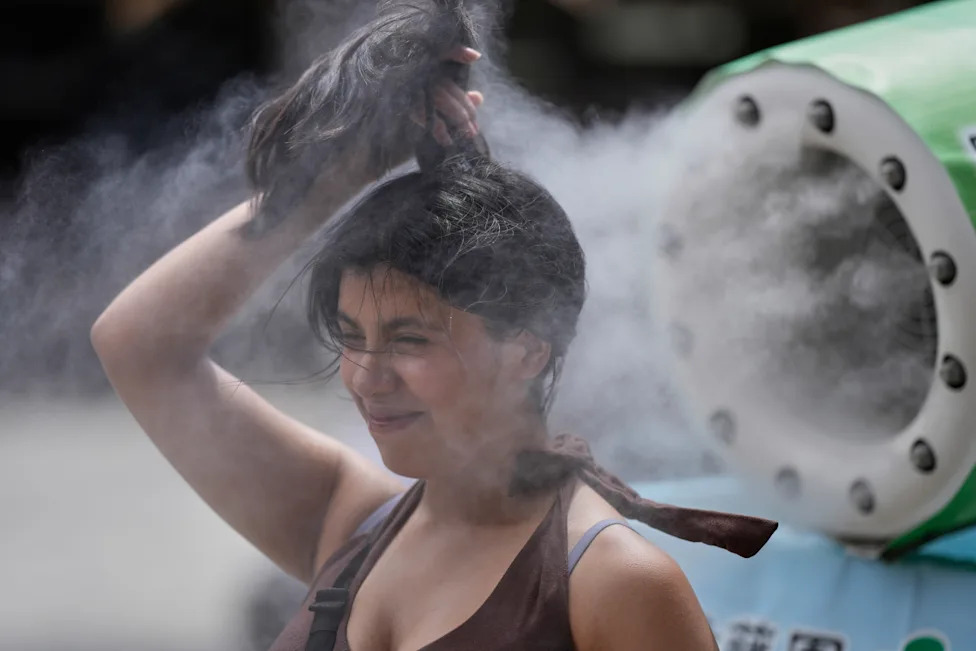
A person cools off at a cooling mist spot on a hot and sunny day at the Sensoji Buddhist temple in Tokyo's Asakusa district, Friday, Aug. 7, 2026. (AP Photo/Eugene Hoshiko)(AP Photo/Eugene Hoshiko)
Polling and research back up what many feel. A new Associated Press-NORC Center for Public Affairs Research survey finds Americans are more likely now than in July 2024 to report that extreme heat has affected travel and vacation plans, electricity bills, sleep and family outdoor activities. A July study from Oxford University documented similar everyday adaptations across seven high-risk countries — Brazil, France, India, Nigeria, Turkey, the U.S. and China.
Data show summers trending hotter and stormier. This week the U.K. and France recorded intense heat with temperatures climbing toward 40°C (104°F) — the fifth heat wave of the year in areas where air conditioning remains uncommon. The U.S. National Oceanic and Atmospheric Administration reported the contiguous United States experienced its hottest month on record in July. Globally, 2026 so far ranks among the warmest years, behind 2024 and 2025, but scientists warn that a strong El Niño combined with ongoing greenhouse-gas emissions could make 2026 the hottest year on record.

A woman cools off in the Mediterranean sea during a heat wave in Hadera, Israel, Sunday, Aug. 2, 2026. (AP Photo/Ariel Schalit)(AP Photo/Ariel Schalit)
World Meteorological Organization spokeswoman Clare Nullis noted that it is not just heat: extreme rainfall and tropical cyclones are also on the rise. As a result, people and institutions have shifted into management mode: travel advisories now routinely warn tourists to avoid peak heat hours, pet owners walk dogs at dawn or dusk, and many agricultural and construction jobs move to cooler morning schedules. Some employers allow remote work during dangerous heat spells.
Yet home is no refuge for many. Only about 4% of U.K. homes have air conditioning compared with roughly 90% of U.S. homes, highlighting how access to cooling and flexible schedules shapes who can preserve remnants of an old-fashioned summer. As comedy writer Elizabeth Simone put it in a humorous open letter, the idyllic idea of a “summer vacation” largely belongs to a bygone era — and to those who could afford time away from work.
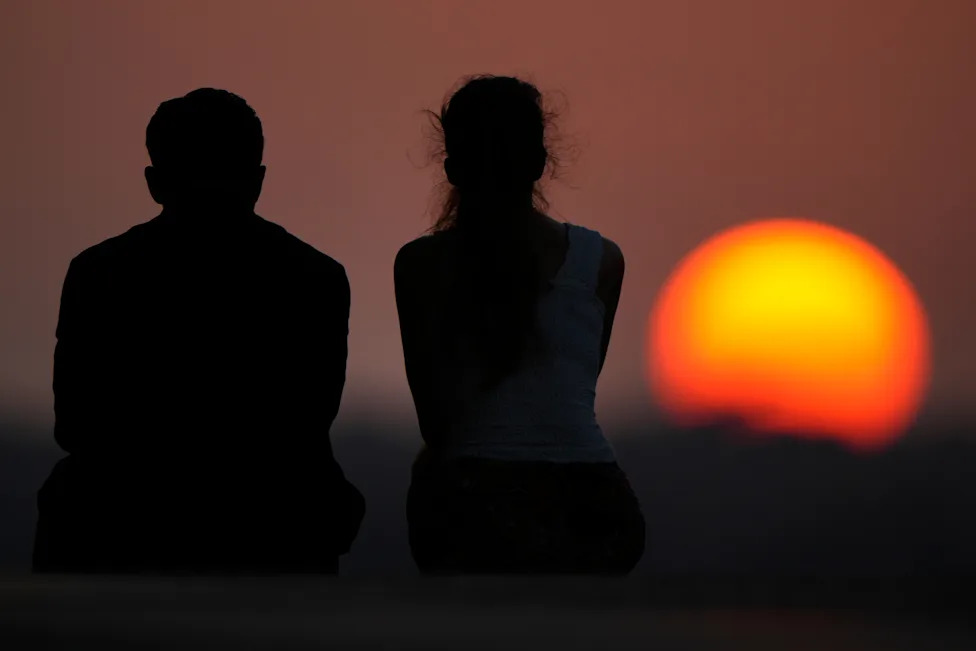
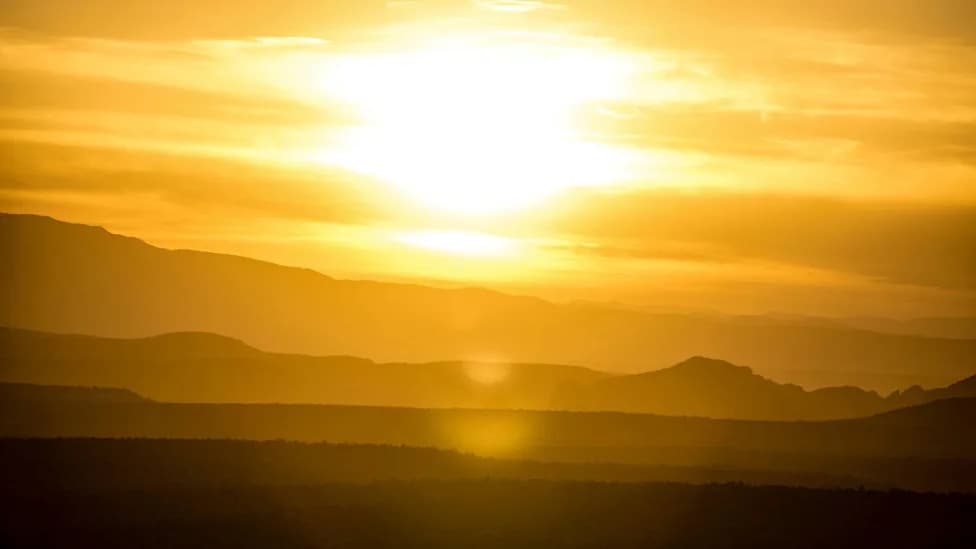
People watch the setting sun at the end of a hot summer day, Sunday, July 26, 2026, in Kansas City, Mo. (AP Photo/Charlie Riedel)(AP Photo/Charlie Riedel)
The mood this summer blends resignation and determination. People are adapting routines and following safety guidance in the hope that some softer pleasures of the season can survive. But experts warn that unless greenhouse-gas emissions are curtailed, the familiar rhythms and small freedoms of summer may continue to fade.
Associated Press writer Mari Yamaguchi contributed from Tokyo.
Help us improve.