Ukraine's intelligence service reports finding a TE980M-A1 module consistent with Nvidia's Jetson Orin NX 16GB inside the wreckage of a Russian S-71M cruise missile, alongside a Honpho electro-optical camera. Together the components form an on-board perception stack that could enable terminal AI-guided targeting, though HUR has not released software to prove a model was active. The discovery underscores an export-control gap: U.S. rules focus on training GPUs while inference-class edge devices remain largely uncontrolled, prompting fresh policy debate.
Jetson Orin NX Module Recovered From Russian S-71M Missile Raises AI-Weaponry Concerns
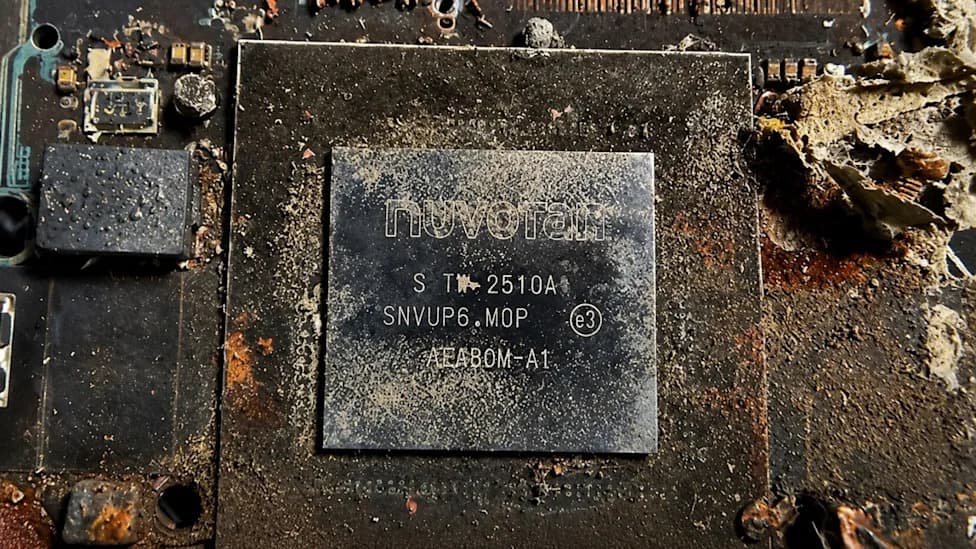
Image: Ukrainian Defense Ministry GUR (Image quality enhanced)
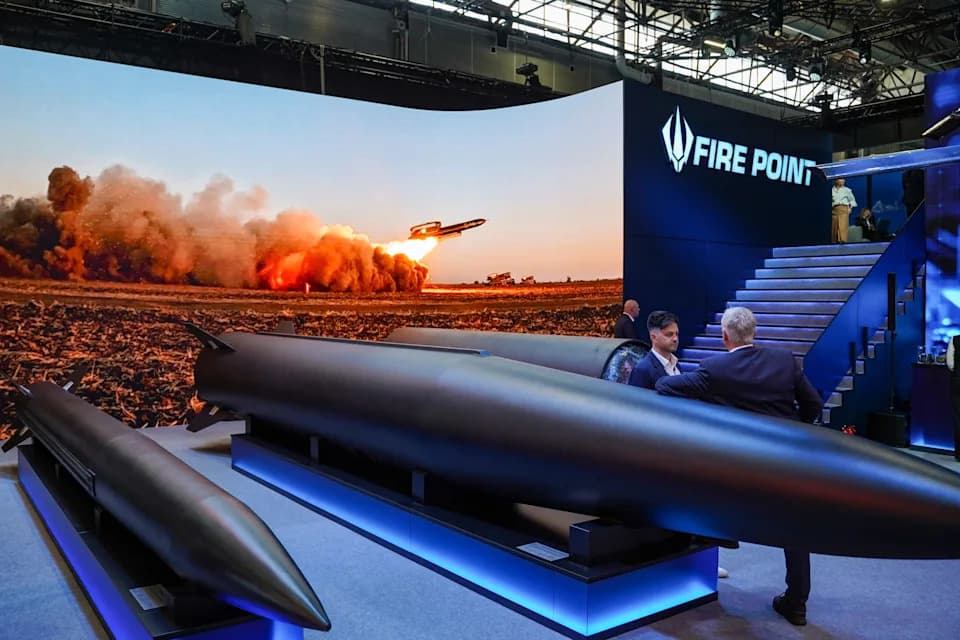
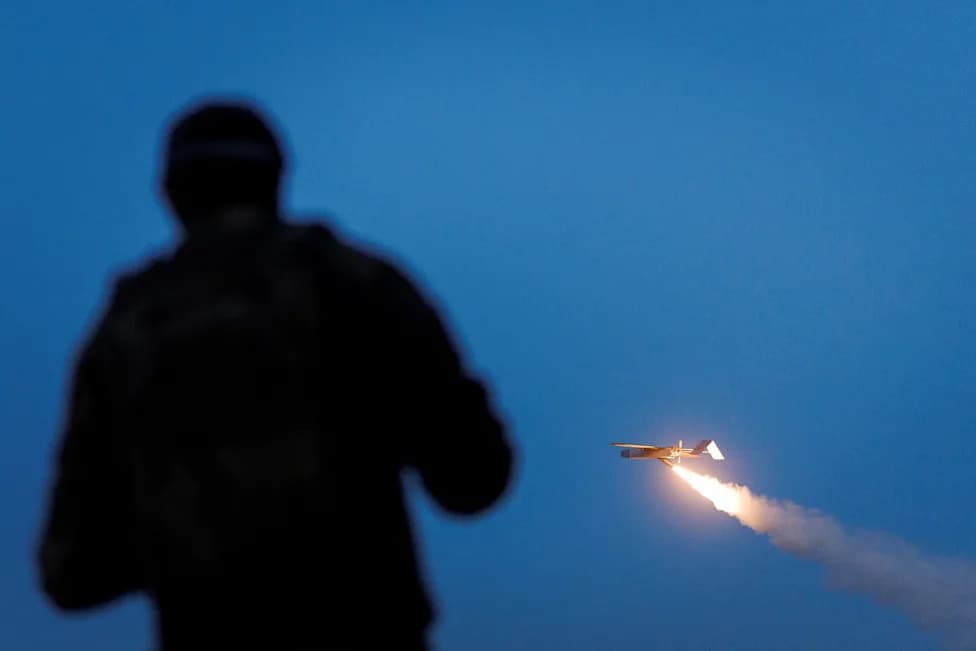
Ukraine's Main Intelligence Directorate (HUR) says investigators recovered a commercial Nvidia system-on-module marked TE980M-A1 — consistent with the Jetson Orin NX 16GB — from the wreckage of a Russian S-71M "Monochrome" cruise missile. The board was found alongside a Honpho TS130C-01 electro-optical camera, forming a compact perception stack capable of on-board image capture and, potentially, AI inference for terminal guidance.
What Analysts Found
According to Ukrainian and independent analysts cited in reporting, the S-71M is an air-launched, low-observable cruise missile reportedly carrying a roughly 250 kg warhead with a range in excess of 300 km. The recovered hardware is commercial off‑the‑shelf (COTS): the TE980M-A1 marking matches Jetson Orin NX 16GB modules sold to developers, researchers and startups in Europe and elsewhere.
How The Components Fit Together
The Orin module and Honpho camera together make a self-contained perception system: the camera captures imagery, the Orin board can run pre-trained models to match visual inputs against stored templates, and the missile can then steer in its terminal phase without a live datalink or an operator in the loop. That capability would enable autonomous target recognition and engagement — but causation is important: HUR has not released the missile’s software or forensic logs that would prove a model was actively running on the recovered board.
Official Response And Supply-Chain Context
"Our Jetson Orin modules are consumer-grade products sold to students, developers, and startups for a wide range of beneficial applications. They are not available in Russia and are not designed for military purposes… if we determine that any customer is violating U.S. export controls, we will take appropriate action."
That statement from Nvidia underscores a wider reality: pre-owned sales, third-party resellers and indirect procurement channels can move commercial hardware into conflict zones despite manufacturer policies and export restrictions. Ukraine previously recovered Jetson Orin modules from the MS001 variant of Iranian-designed Shahed drones, where the boards reportedly processed infrared video for autonomous target recognition, suggesting a pattern of sourcing Western edge-AI hardware through indirect channels.
Regulatory Gap: Inference vs. Training Hardware
Current U.S. export controls concentrate on training-class GPUs (for example, Nvidia H100 and B200 families) that accelerate model training. Edge inference devices like the Jetson Orin NX, which run pre-trained models rather than training them, are largely uncontrolled. The Jetson Orin NX advertises up to 157 INT8 TOPS of inference throughput, integrated vision accelerators and a modest power envelope—characteristics well suited to a missile-borne perception and guidance task.
Policy Trade-Offs And Implications
Tightening export controls on inference-class edge devices would reduce the risk that such hardware is repurposed for weapons, but it would also create compliance friction, regional restrictions and extra costs for legitimate developers, researchers and hobbyists. Policymakers now face a difficult trade-off: preserve broad commercial access to enabling technologies, or impose controls to prevent their misuse in autonomous weapons.
Bottom Line: The recovered Jetson Orin NX module highlights how civilian AI hardware can be repurposed for military ends. The hardware strongly implies on-device AI inference capability, but without published software or forensic evidence it does not prove a model was running. The incident is intensifying discussion about whether export rules should be widened to cover inference-grade edge AI.
Help us improve.