Twelve tenants have sued Weinreb Management, alleging more than $12.5 million in illegal overcharges and the improper removal of rent-stabilized status across four Upper West Side buildings. The complaint, prompted by an investigation from Housing Rights Initiative, alleges the landlord stopped registering units or misclassified them as exempt co-ops/condos. Plaintiffs seek at least $1 million each and may be entitled to refunds, rent reductions and properly stabilized leases; tenants are advised to request HCR rent histories and consult a tenant attorney.
Upper West Side Landlord Sued Over Alleged $12.5M Tenant Overcharges and Illegal Deregulation
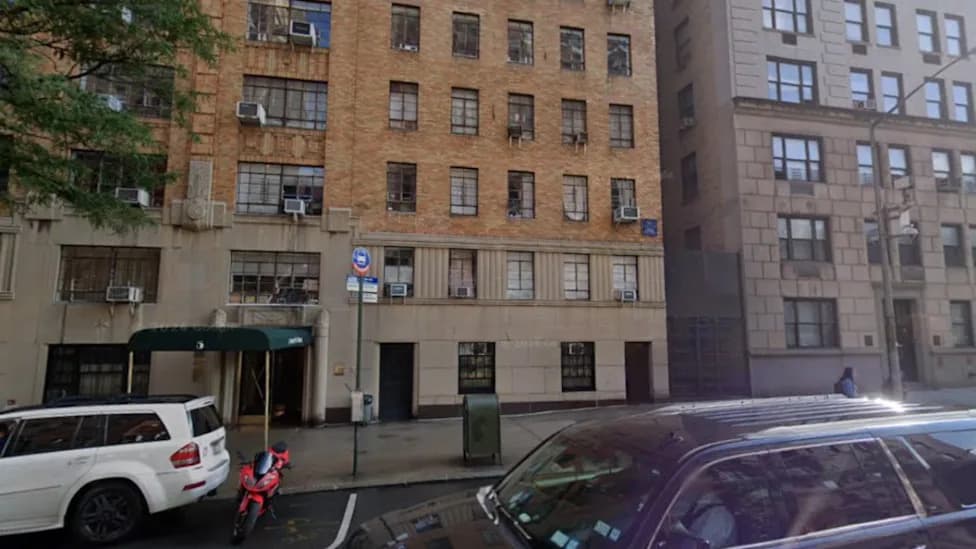
Image Credit: Google Maps.
A prominent Upper West Side landlord, Weinreb Management, has been sued by twelve residents who allege the company illegally overcharged tenants and removed rent-regulated status from apartments across four Manhattan buildings, producing over $12.5 million in claimed overcharges, according to a complaint filed in New York State Supreme Court following an investigation by the Housing Rights Initiative.
Allegations and Tactics
The complaint describes two primary methods the suit says the landlord used to push apartments out of rent stabilization:
- Ceasing to register units as rent-regulated with New York State while continuing to rent them at market rates, despite no record of the capital improvements required to justify deregulation.
- Misclassifying units as exempt co-ops or condominiums — categories not subject to rent stabilization — even though there is no evidence the units were ever legally converted.
Buildings and Example
The four buildings named in the lawsuit are 5 West 86th Street, 51 West 86th Street, 110 West 96th Street and 350 Central Park West. The complaint highlights an apartment at 51 West 86th Street that was last registered as rent-regulated in 2008 at $752.27 per month and never re-registered. The suit says deregulating that unit in 2008 would have required roughly $42,600 in qualifying improvements, and there is no record those improvements were performed.
Relief Sought and Legal Context
The plaintiffs are seeking substantial damages: the complaint requests at least $1 million for each of the 12 tenants. Under New York law, tenants who have been overcharged may be entitled to rent refunds, retroactive rent adjustments, and properly rent-stabilized leases. Weinreb Management has not publicly responded to the filing.
Why This Matters
Rent stabilization in New York limits annual rent increases and guarantees tenants the right to renew leases, preserving below-market housing in the city. Landlords of stabilized units are required to register those units annually with New York State Homes and Community Renewal (HCR). The alleged tactics in this suit hinge on breaking that registration link — either by failing to register while charging market rents, or by wrongly classifying units as exempt co-ops/condos.
Enforcement Gap and Tenant Options
Historically, some routes to deregulation did not mandate a formal state application, leaving tenants to discover and challenge improper deregulations themselves.
Housing advocates say tenants who suspect improper deregulation should request the unit's full rent history from New York State Homes and Community Renewal. That record shows how a unit has been registered and the rents reported over time. Upper West Side residents can also consult the Manhattan Borough President's Office for guidance. Because deadlines and procedures for overcharge claims are technical, consulting a tenant attorney before filing is strongly recommended.
What Tenants Can Do Now: Obtain your unit's HCR rent history, review registration status over time, document leases and rent payments, and seek legal advice if you find discrepancies that match the patterns alleged in this complaint.
Reporting note: This case follows an inquiry by the Housing Rights Initiative and has heightened attention on registration practices and accountability for landlords of stabilized housing in New York City.
Help us improve.