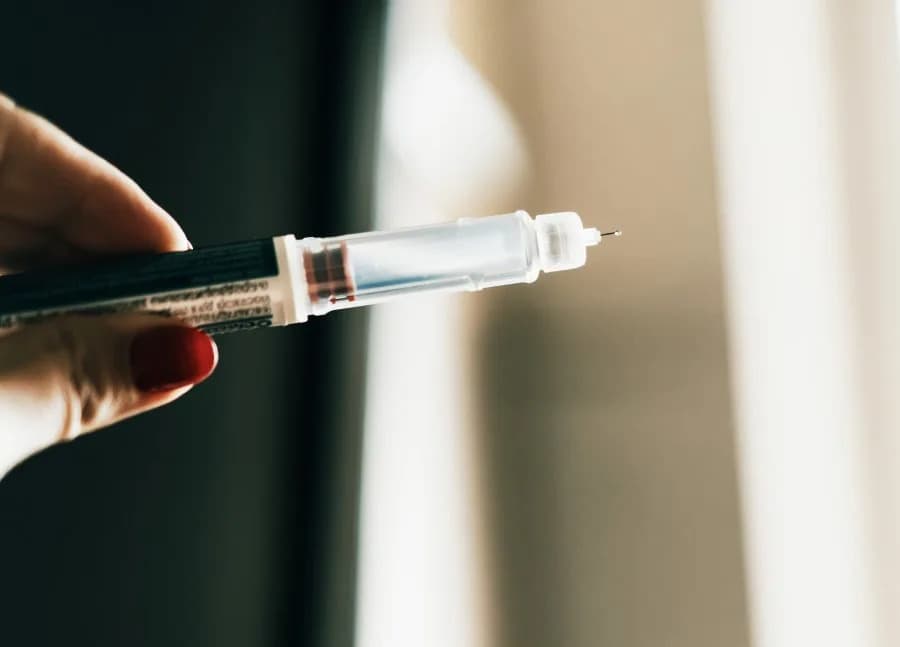
Thomas, an aspiring bodybuilder in France, injects banned peptides such as GHK‑Cu and Retatrutide in a bid to 'optimise' appearance and appetite. Online influencers and forum communities have normalised self‑experimentation, but experts say few of these products have been tested in large human trials and pose documented health risks. Authorities including INSERM have warned of serious side effects, and countries such as Australia have reported liver injuries linked to peptide products. Calls for tighter regulation and rigorous research are growing.
People Inject Banned Peptides To 'Optimize' Their Bodies — Experts Warn Of Serious Risks

Banned peptides are commonly promoted in gyms to bodybuilders (Julie SEBADELHA)
Each night at 9:30, Thomas's phone alarm signals a ritual: the aspiring bodybuilder prepares several synthetic peptides, reconstitutes powdered vials with a solvent, disinfects syringes and injects the solutions into his lower abdomen. He keeps GHK‑Cu in his refrigerator because he believes it will give him 'beautiful skin' and uses Retatrutide to reduce appetite. Thomas, a pseudonym, says GHK‑Cu is daily and Retatrutide is three times a week.
Online Hype Meets Do‑It‑Yourself Medicine
Peptides are short chains of amino acids that play key roles in the body, including tissue repair. Laboratory-made peptides are legitimate active ingredients in approved medicines such as insulin and GLP‑1 drugs for weight loss. But unauthorised synthetic peptides sold online are increasingly promoted by influencers, gyms and wellness vendors for benefits ranging from improved skin and faster recovery to sharper cognition and even slowed ageing.
Online forums on platforms such as Reddit and Discord host communities — largely male and often centred on bodybuilding — that exchange dosing tips, sourcing advice and anecdotal protocols. That DIY culture has normalised self-experimentation with compounds like GHK‑Cu, Retatrutide, Selank (for anxiety) and BPC‑157 (claimed to speed soft‑tissue repair), sometimes alongside anabolic steroids.
Experts Urge Caution: Evidence Is Limited And Risks Are Real
'No large‑scale, randomised controlled clinical trial has confirmed' the broad claims made about many of these peptides, warned researchers at French institute INSERM, adding that some compounds present 'very real health risks.'
Because many of these formulations are unauthorised in countries such as France, there are no official guidelines for safe dosing or administration. That gap creates a risky environment where users rely on anecdote rather than rigorous data. Health authorities worldwide have recorded serious adverse events: for example, Australia reported six cases of acute liver injury linked to products labelled Retatrutide.
Regulatory Controversy
While some nations have maintained bans or tight controls, a recent panel in the United States recommended easing restrictions on a range of peptides. The decision drew sharp criticism from many medical specialists, who alleged conflicts of interest involving panel appointees and highlighted public figures known to promote peptide use.
What Clinicians Recommend
Doctors and researchers urge stronger regulation, better consumer information and large, well‑designed clinical trials before these compounds are marketed for aesthetic or performance use. Until then, they warn consumers that unregulated peptide products may be mislabelled, contaminated or unsafe, and that self‑injection carries infection, dosing and organ‑injury risks.
Bottom line: Growing online promotion is driving more people to experiment with banned or unauthorised peptides, but the scientific evidence remains limited and documented harms — including liver injury and hospitalisations — suggest caution, better oversight and more research are urgently needed.
Help us improve.