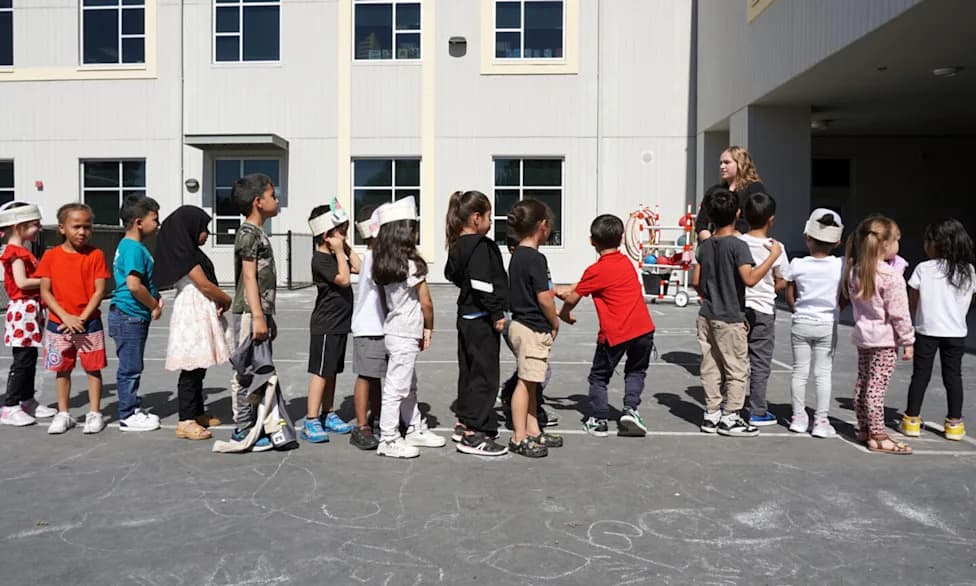
AEI reports that 22.6% of U.S. students were chronically absent in 2025, down from the 2022 pandemic high but still above pre‑Covid levels. The problem is concentrated in disadvantaged districts, with larger gaps for low‑income and Black students. Local outreach programs and policy changes — including liaisons to address school avoidance and mental health — aim to remove barriers, but experts warn urgent, coordinated action is needed to avoid long‑term harm to learning and equity.
Nearly 1 in 4 U.S. Students Were Chronically Absent in 2025, AEI Warns of an "Ominous" Slowdown
Nearly a quarter of the nation’s children are chronically absent from school in ‘ominous’ trend: researchers
New research from the American Enterprise Institute (AEI) finds that 22.6% of U.S. students were chronically absent in 2025 — defined as missing 10% or more of the school year. Although this is lower than the pandemic peak of 28.3% in 2022, AEI cautions that chronic absenteeism remains above pre‑Covid levels and that progress in reducing it has slowed.
Nearly 25 percent of students were chronically absent from U.S. schools in 2025, according to new research (AFP/Getty)
Where Rates Are Highest And Who Is Most Affected
AEI identified Alaska, Washington, D.C., Oregon and New Mexico as having the highest chronic‑absence rates, while New Jersey, Virginia and Alabama reported the lowest. The trend is concentrated in historically disadvantaged districts. For example, in Illinois the overall chronic‑absence rate was about 25% last year, but it rose to roughly 31% for low‑income students and nearly 40% for Black students.
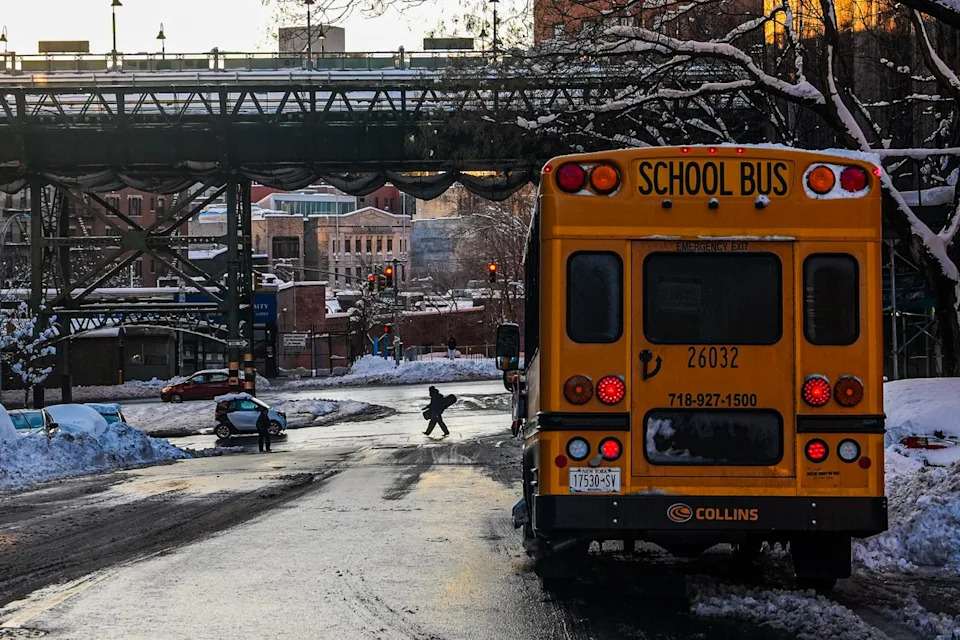
Absenteeism is especially high in disadvantaged communities, the research found (Getty)
Local Efforts To Reconnect Students
Schools and community organizations are trying varied strategies to bring students back to class. In Pittsburgh (where the rate was about 32%), the nonprofit A+ Schools has been conducting direct outreach to families and helping with supplies and transportation as the school year begins, aiming to remove practical barriers to attendance.
School Avoidance And Students With Disabilities
A related issue, school avoidance — when students refuse to attend or struggle to remain at school — is a significant contributor to absences and is particularly pronounced among students with disabilities. New York City recently settled a lawsuit alleging its public school system failed to spot early warning signs of avoidance and thus denied some disabled students a full education. As part of the settlement, the district will place liaisons in every school to identify and respond to barriers such as mental‑health needs.
AEI: "An ominous slowdown that should be met with urgent action, not ignominious acceptance."
The U.S. Department of Education emphasized the stakes: "Missing school means missing valuable instructional time and poses serious implications for students' overall academic success and wellbeing." Research shows children who are chronically absent in early grades are much less likely to read at grade level by third grade. Experts say effective responses combine community supports (transportation, supplies, outreach) with individualized interventions (mental‑health services, special‑education supports and school liaisons). Without coordinated, sustained action, stalled progress on absenteeism could widen achievement and equity gaps for years to come.
Help us improve.