Lake Mead dipped below its prior all-time monthly low of 1,040 feet on Aug. 12–13, measuring about 1,039 feet on Aug. 13, the Bureau of Reclamation says. Upstream Lake Powell was about 23.4% full on July 19; a steep drop there could trigger a "dead pool" that halts flows through the Grand Canyon and impacts power and agriculture. Nevada is expected to cut Colorado River use by roughly 28% under a two-year plan, but long-term conservation has reduced Southern Nevada's water use by about 40% since 2002, so Las Vegas is not facing an immediate municipal shortage.
Lake Mead Falls Below Historic Monthly Low — What It Means for Las Vegas
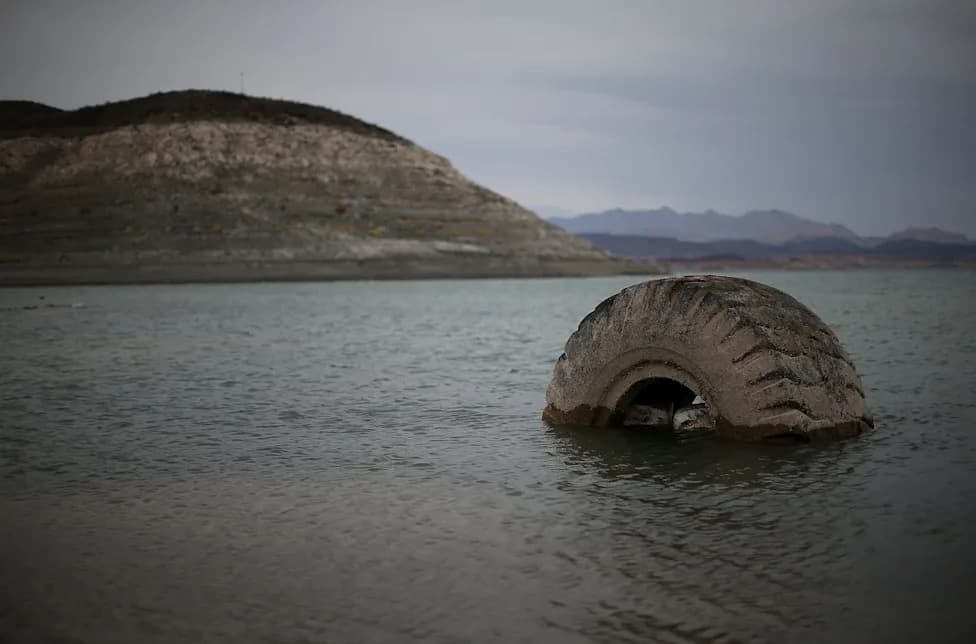
Lake Mead dips below its all-time monthly low Aug. 12-13
Lake Mead slipped under its recorded all-time monthly low of 1,040 feet — first reached in July 2022 — and measured about 1,039 feet above sea level on Aug. 13, the U.S. Bureau of Reclamation reported. The reservoir was also a foot below that benchmark on Aug. 12.
Why This Is Concerning
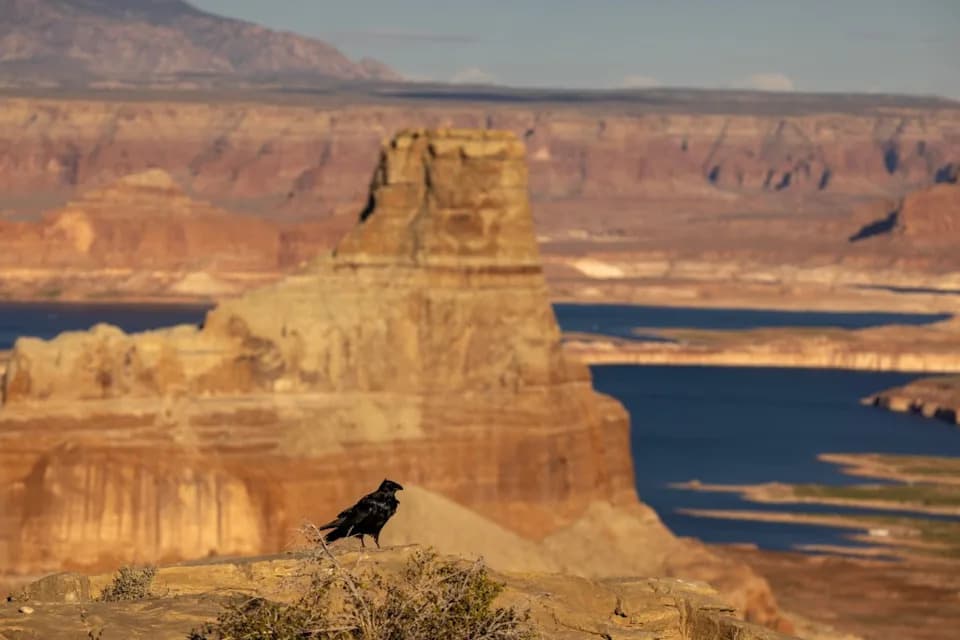
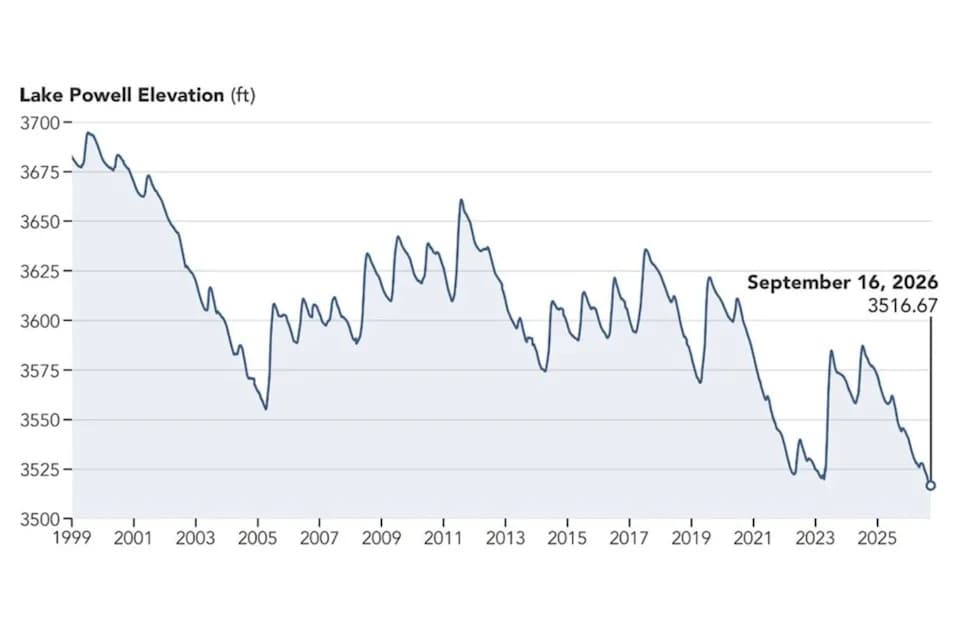
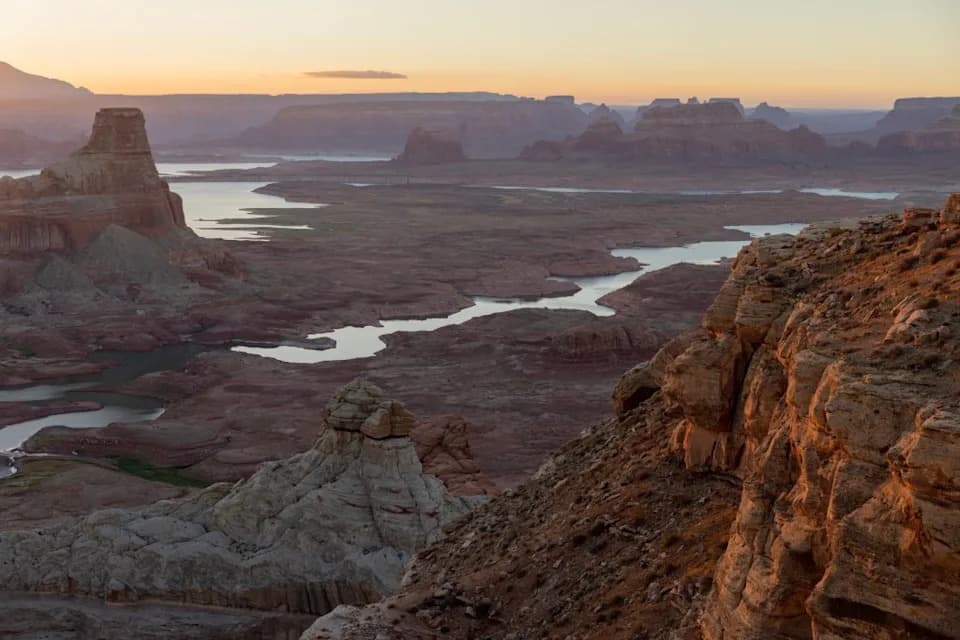
Declining storage in the Colorado River system threatens more than local water levels. Upstream, Lake Powell was about 23.4% full as of July 19; it was last full in 1983. If Powell falls much further it could reach a so-called "dead pool" condition in which water can no longer pass downstream through the Grand Canyon, with severe implications for regional hydropower generation and irrigation-dependent agriculture across parts of the Southwest.
What Officials Are Doing
The federal government expects Nevada to reduce its Colorado River water use by roughly 28% under a two-year arrangement while Nevada and six other basin states negotiate a longer-term plan. Those reductions are part of broader emergency and planning measures to stabilize the system.
Is Las Vegas Running Out of Water?
Short answer: no. Las Vegas is not facing an immediate municipal water crisis. Roughly 90% of the region's supply comes from Lake Mead, but long-term conservation has dramatically lowered demand: the Southern Nevada Water Authority reports that Southern Nevada has cut water use by about 40% since 2002, even as population and development grew by roughly 55% during that period.
Where Water Is Used—and Where Cuts Matter
Nationwide ripple effects remain a concern. The California Department of Food and Agriculture notes that nearly half of U.S. vegetables and more than three-quarters of fruits and nuts come from California, and a sizable share of those crops rely on Colorado River irrigation. The Environmental and Energy Study Institute estimates the river’s water is used roughly 52% for irrigated agriculture and 18% for urban areas in the Southwest, underscoring agriculture’s large share of demand.
Local Conservation Focus
In Las Vegas, nearly all indoor water use is treated and recycled, shifting conservation priorities to outdoor landscaping and inefficient cooling. Local measures include replacing grass with drought-tolerant landscapes and drip irrigation, a paid lawn removal program for residents, bans on lawns in new commercial and residential developments, and a moratorium on evaporative cooling systems for new industrial and commercial buildings.
Bottom line: Falling reservoir levels are a serious regional problem with potential downstream consequences for energy and agriculture, but ongoing conservation and planning mean Las Vegas is not on the brink of running out of municipal water.
Swasti Singhai of USA TODAY contributed to this report.
Help us improve.