Study: Analysis of 340,924 UK Biobank participants (2006–2022) with an average follow-up >13 years.
Findings: High alcohol intake was linked to higher all-cause, cancer and cardiovascular mortality. At low-to-moderate levels, wine was associated with lower mortality while beer, cider and spirits were linked to higher risk.
Limitations: Observational design, baseline self-reporting, and a healthier-than-average cohort mean causation cannot be established.
Large UK Study Finds Moderate Wine Linked To Lower Death Risk, While Beer and Spirits Show Higher Risk

Heavy drinking has been shown to raise mortality risk, but, at lower levels, what's in your glass may also matter, a new study suggests.
A new analysis of UK Biobank participants suggests that at low-to-moderate intake levels, the type of alcoholic beverage may influence long-term mortality risk. Researchers examined data from 340,924 adults collected between 2006 and 2022, with an average follow-up of more than 13 years. The findings were presented at the American College of Cardiology's Annual Scientific Session in New Orleans.

In new research of data from 340,924 participants in the UK Biobank, wine was linked to lower mortality, while beer and spirits were tied to higher death risk.
Study Design and Definitions
Participants reported their usual alcohol consumption and were categorized as never/occasional, low, moderate, or high consumers. The investigators defined high intake as >40 grams of alcohol per day for men (roughly three standard drinks) and >20 grams per day for women (about 1.4 standard drinks).
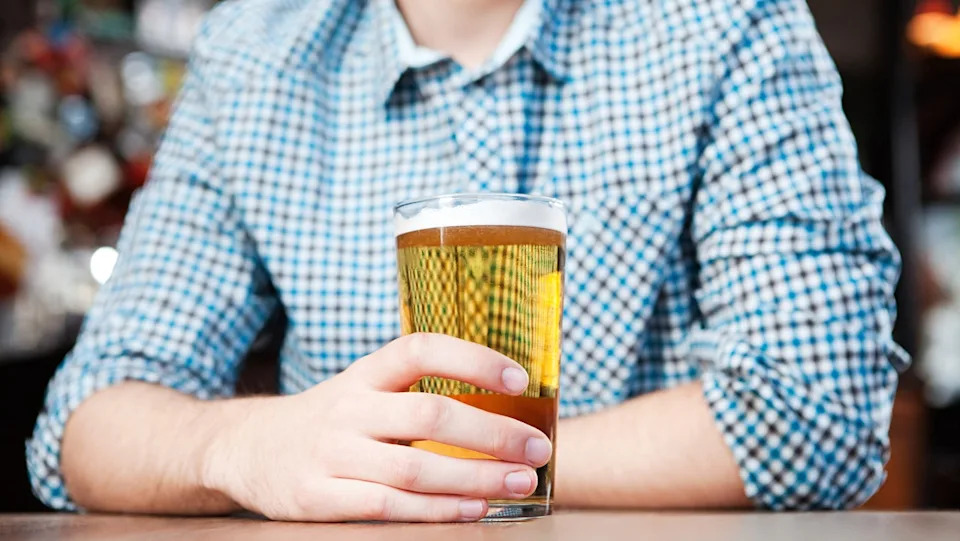
Different substances have different levels of alcohol in them, and each person metabolizes alcohol differently, the expert noted.
Key Findings
Compared with never or occasional drinkers, people in the high-consumption group experienced higher mortality risks: a 24% increase in all-cause death, a 36% increase in cancer death, and a 14% increase in cardiovascular death.

There was the chance that wine drinkers may have different dietary or other lifestyle habits that could impact their health outcomes, the researchers noted.
When intake was low or moderate, associations varied by beverage type. The analysis found that spirits, beer and cider were linked to a significantly higher mortality risk, while equivalent amounts of wine were associated with a lower risk. Specifically, moderate wine drinkers had a 21% lower risk of cardiovascular death versus never/occasional drinkers. By contrast, low consumption of spirits, beer or cider corresponded to about a 9% higher cardiovascular death risk.
Possible Mechanisms
The investigators suggested that compounds in wine—such as polyphenols and antioxidants—might help blood-vessel health, reduce inflammation, and support cardiovascular function, which could partly explain the observed associations.
Expert Perspectives
“These results come from the general population, and in certain high-risk groups, such as people with chronic diseases or cardiovascular conditions, the risks could be even higher,” said Dr. Zhangling Chen, a professor at Second Xiangya Hospital, Central South University and the study's senior author. “These findings can help refine guidance, emphasizing that the health risks of alcohol depend not only on the amount consumed but also on the type of beverage.”
Jessica Steinman, an addiction specialist, called the study “helpful” but cautioned that observational results should not be generalized to everyone. She emphasized that people with a history of substance misuse or mental-health issues should avoid alcohol and that individual metabolism and context matter when interpreting such findings.
Limitations
The authors noted several important limitations: the study is observational and cannot prove causation; alcohol intake was self-reported at baseline, so changes in drinking patterns over time were not captured; and the UK Biobank cohort tends to be healthier than the general population, which may limit generalizability. The researchers called for randomized trials and further research to confirm whether different beverage types have distinct effects on mortality.
Bottom Line
High alcohol consumption is associated with increased all-cause, cancer, and cardiovascular mortality. At lower intake levels, wine was associated with lower mortality compared with beer, cider and spirits in this large observational analysis, but these findings do not establish cause and should be interpreted cautiously. Individuals should consult health professionals for personalized guidance.
Help us improve.