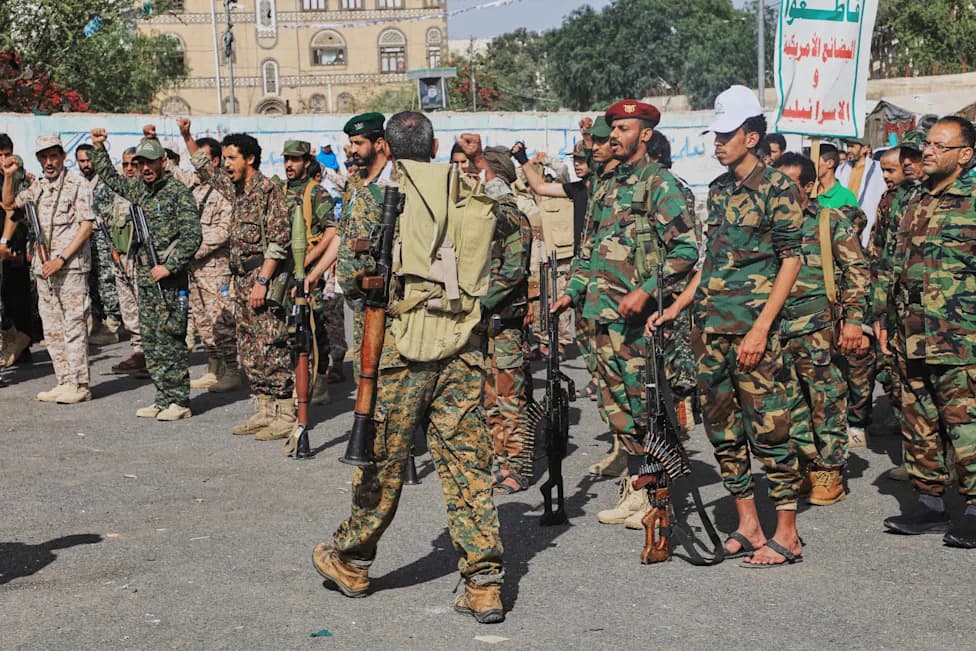
A recent surge of Houthi attacks — among the deadliest seen in years — has raised fears that Yemen could slide back toward full-scale war as violence reverberates across the wider Middle East.
Background
A truce reached in 2022 largely reduced heavy fighting between the Iran-aligned Houthi movement and forces loyal to the Saudi-backed, internationally recognised Yemeni government. No comprehensive peace settlement followed, leaving a fragile status quo vulnerable to regional shocks.
Recent Attacks
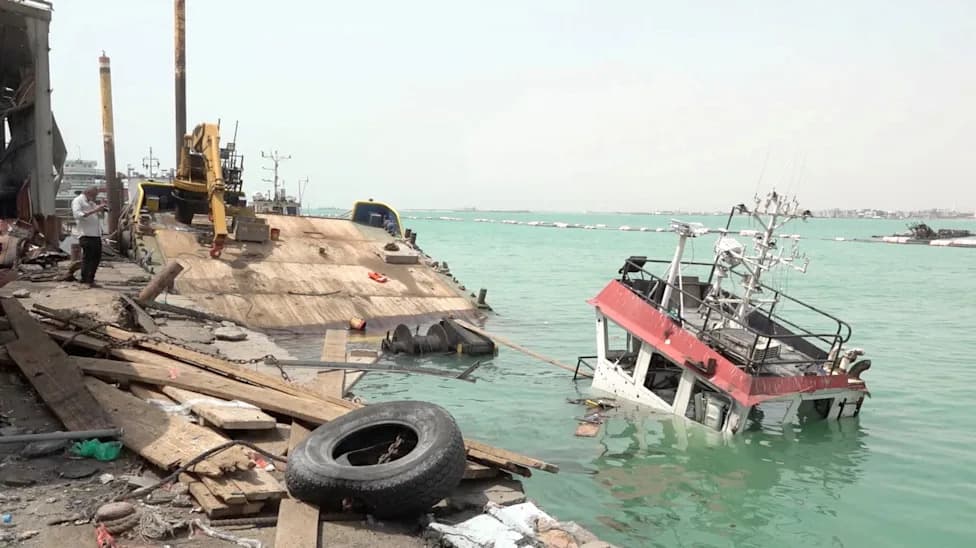
Over the past weeks the Houthis have intensified strikes on multiple fronts. They have carried out attacks on the government-held west-coast port of al-Makha (Mocha), killing civilians in several incidents. Yemen's coastguard reported an assault on a commercial vessel in the Bab al-Mandeb Strait that left six dead and 10 injured; the Houthis said the ship was carrying weapons.
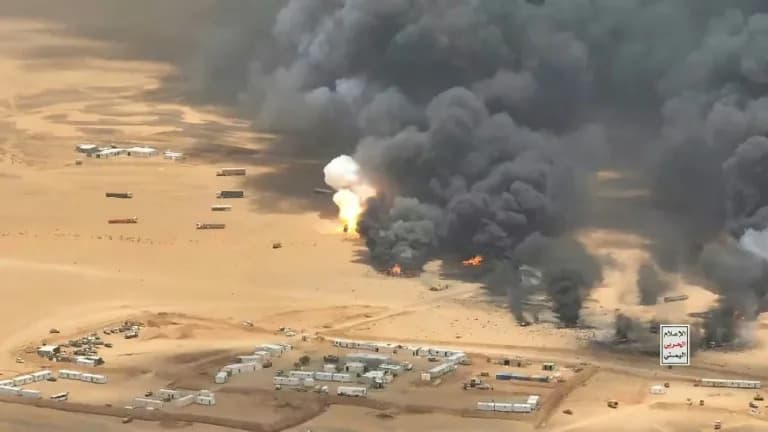
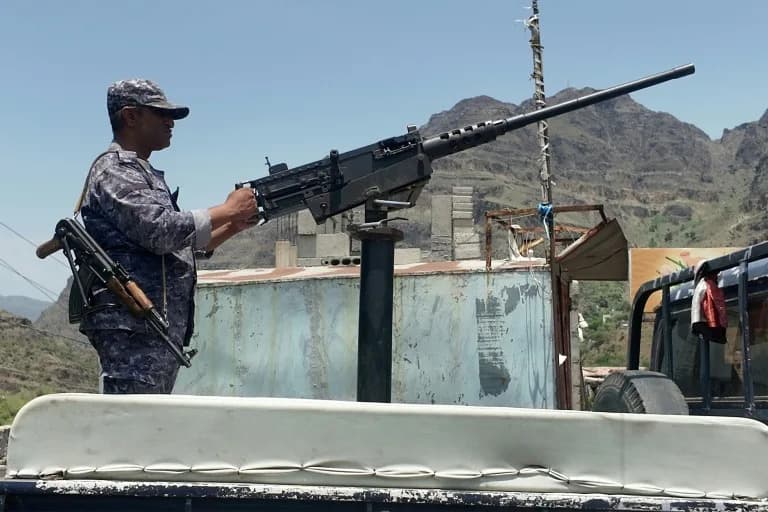
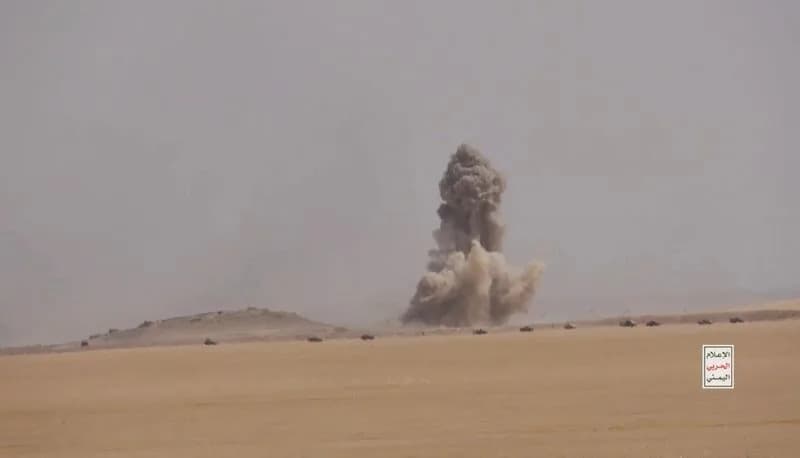
Separately, Houthi drone and rocket strikes on government military sites in eastern Yemen reportedly killed at least 30 pro-government soldiers and sparked further clashes. The group has also struck Saudi Aramco facilities in Jazan (Jizan) and other targets along the Red Sea coast.
Political And Regional Dynamics
Yemen's Presidential Leadership Council chairman, Rashad al-Alimi, warned the internationally recognised government would not accept "a new truce that reproduces previous experiences," saying Houthi actions "will not go unanswered or unchecked," while also offering a political path if the rebels disarm and enter political life.
Analysts link the recent escalation to broader regional tension. Reporting tied a notable uptick in hostilities to a regional escalation around Feb. 28 that heightened confrontations between Iran and its rivals. Incidents including an attack on Sanaa airport in mid-July — when pro-government forces reportedly tried to prevent an Iranian-linked flight from landing — and a subsequent Houthi announcement of a maritime blockade have amplified the crisis.
Saudi Arabia has responded by intensifying security measures: announcing an international maritime coalition to protect Red Sea shipping, deepening defence ties with Pakistan and Turkiye, and increasing coordination with the United States. Riyadh says dozens of countries were invited to the coalition and that 13 have agreed to participate.
Strategic Stakes
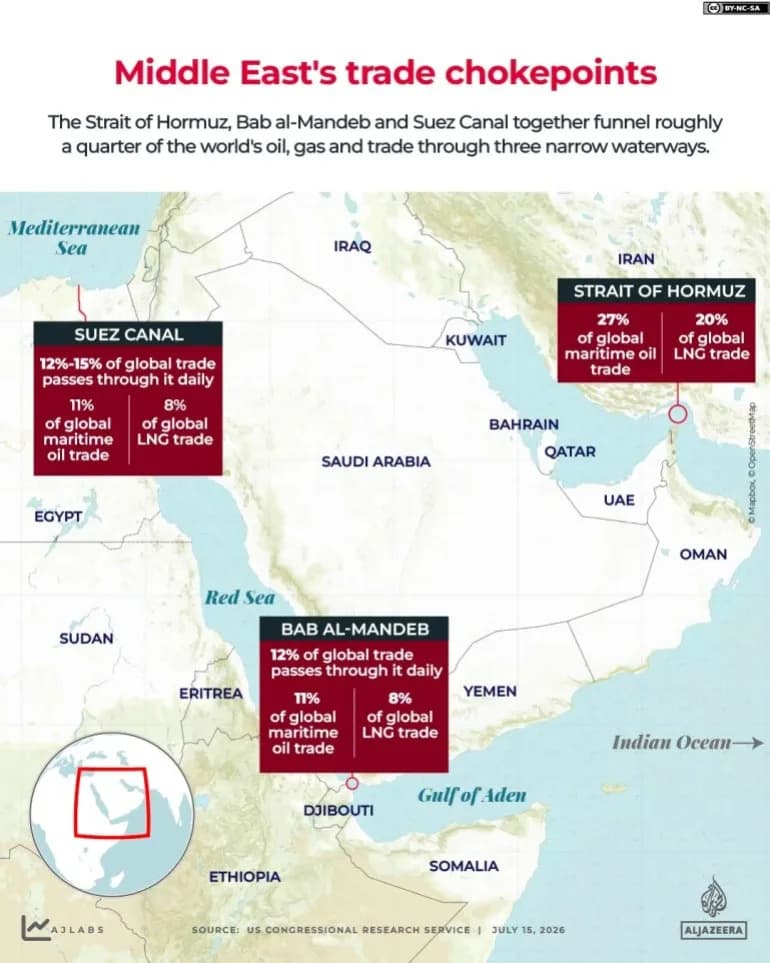
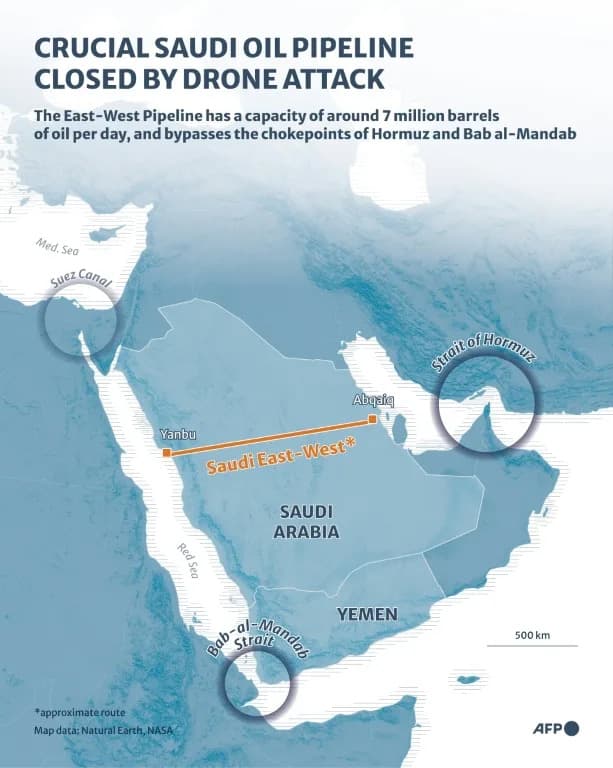
Strategists warn that a Houthi-imposed disruption of traffic through the Bab al-Mandeb — the narrow chokepoint linking the Red Sea to the Gulf of Aden — would threaten an important route for global oil shipments and increase pressure on Saudi Arabia and international partners. Reports say missiles and drones have been positioned in Yemen's highlands overlooking key maritime approaches.
Some commentators interpret recent Houthi strikes as an effort to deter or delay an anticipated government-backed offensive by degrading air and naval support and shaping the terms of any future confrontation.
What Could Happen Next?
Experts disagree on whether the goal is purely political pressure or preparation for broader ground operations. A large-scale Saudi ground invasion is widely judged unlikely because Yemen's mountainous terrain and recent history make such operations costly and complex. A more plausible scenario is a Saudi-backed offensive led by Yemeni government forces aiming to push Houthi units away from coastlines and maritime approaches.
Humanitarian Cost
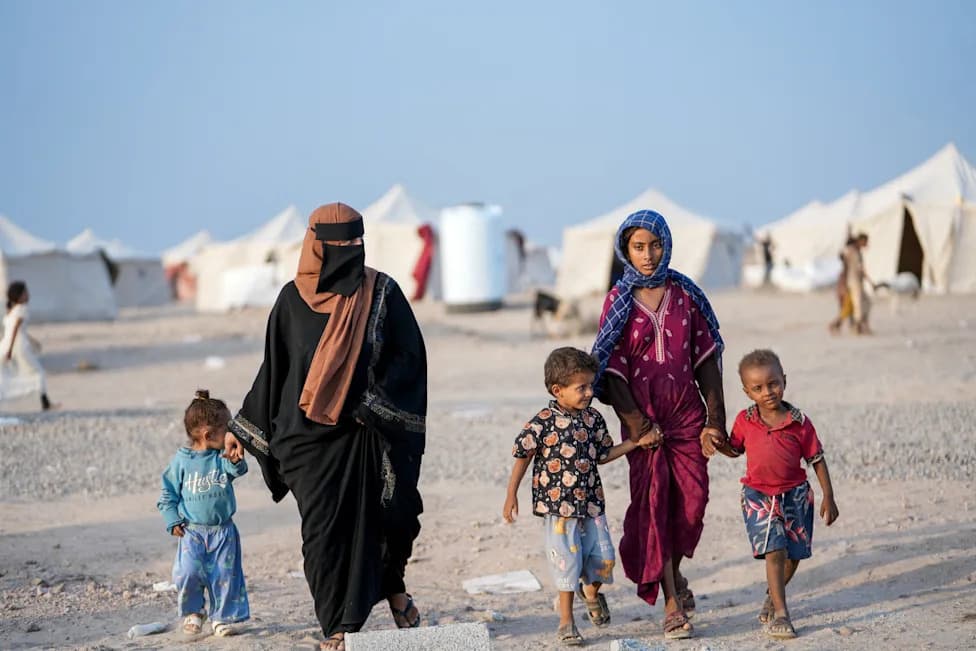
Whatever unfolds, analysts stress the heaviest price will be paid by civilians. Yemen has recently experienced one of the world's worst humanitarian crises, and renewed heavy fighting would exacerbate suffering, displacement and shortages of food, fuel and medical care.
Note: Some specifics reported in original briefings (including attributions of larger interstate actions or particular diplomatic meetings) vary across sources. This article uses reported claims and verified statements where available, and avoids repeating unverified or contested assertions as established fact.