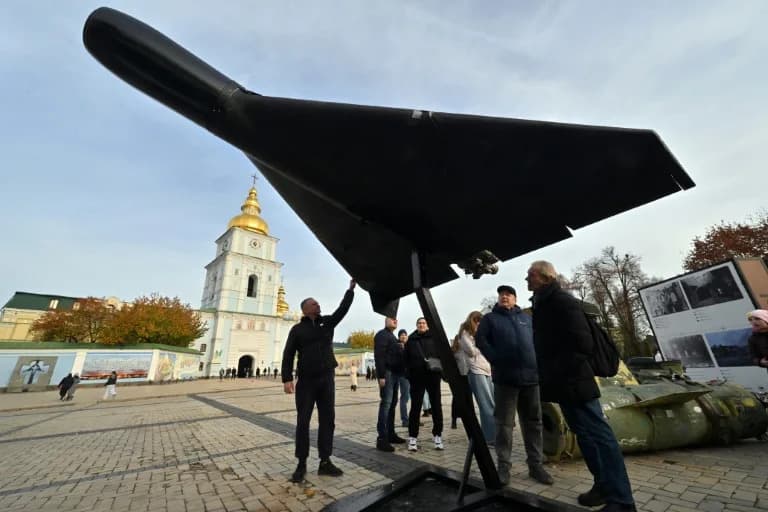
Ukraine says Russia has sharply increased the use of jet‑powered Shahed‑style drones, which now account for up to two‑thirds of drones used in some strikes. Turbojet variants of the Geran family — Geran‑3, Geran‑4 and Geran‑5 — travel far faster than the propeller‑driven Geran‑2 and are harder to intercept. Kyiv reports high interception rates for older drones and cruise missiles but warns that jet drones and ballistic missiles pose a growing challenge while Ukraine races to deploy faster interceptors and other defenses.
Ukraine Says Jet‑Powered Shahed‑Style Drones Now Make Up To Two‑Thirds Of Some Russian Strikes
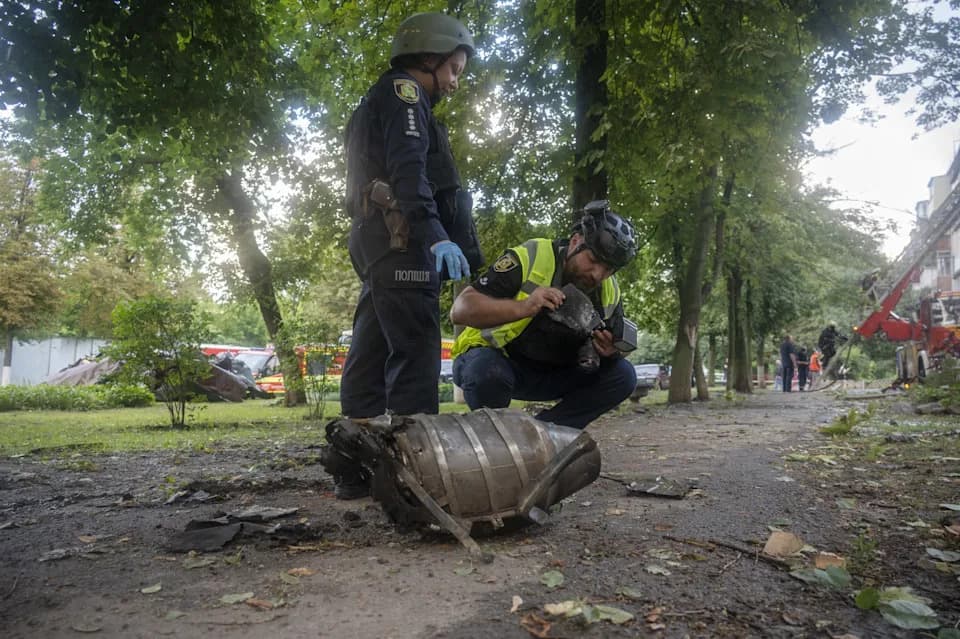
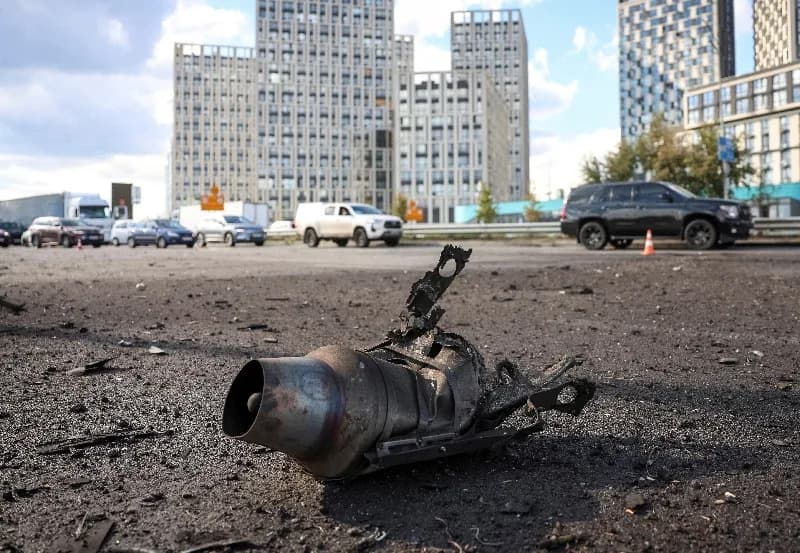
Russian jet-powered drones are harder to intercept than their propeller-driven predecessors.Serhii Masin/Anadolu via Getty Images
Russia has sharply increased its use of jet‑powered, Shahed‑style attack drones, which Ukrainian officials say now account for as much as two‑thirds of the drones used in some recent strikes. The shift toward turbojet variants has complicated Ukraine's air‑defense efforts by introducing faster, harder‑to‑intercept threats.
What Ukrainian Officials Are Reporting
Col. Yurii Ihnat, spokesperson for the Ukrainian Air Force, told Business Insider that "jet‑powered drones account for as much as two‑thirds of all drones used" in particular Russian attacks — the most expansive public estimate to date. Earlier public assessments placed the share of jet drones at up to about 20%, and in June Gen. Oleksandr Syrskyi warned Russia aimed to raise that proportion to roughly 50%.
How These Drones Differ
Russia's older, propeller‑driven strike drone, the Geran‑2 (modeled on Iran's Shahed‑136), typically cruises at around 115 mph and carries an explosive warhead on long‑range flights. Moscow has rolled out turbojet variants of the Geran family that are substantially faster:
- Geran‑3: Cruises at more than ~200 mph
- Geran‑4: Reaches roughly ~310 mph
- Geran‑5: Reported top speed near ~375 mph and a cruise‑missile‑like profile
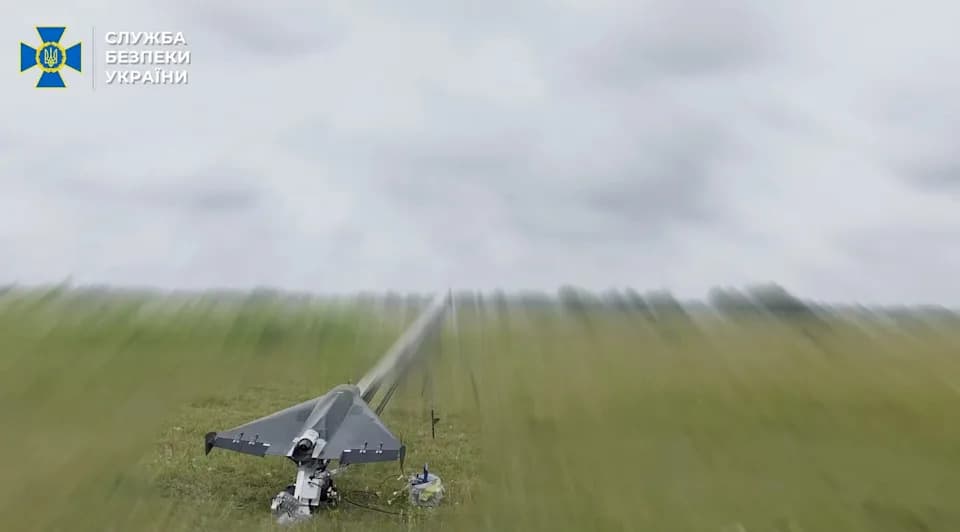
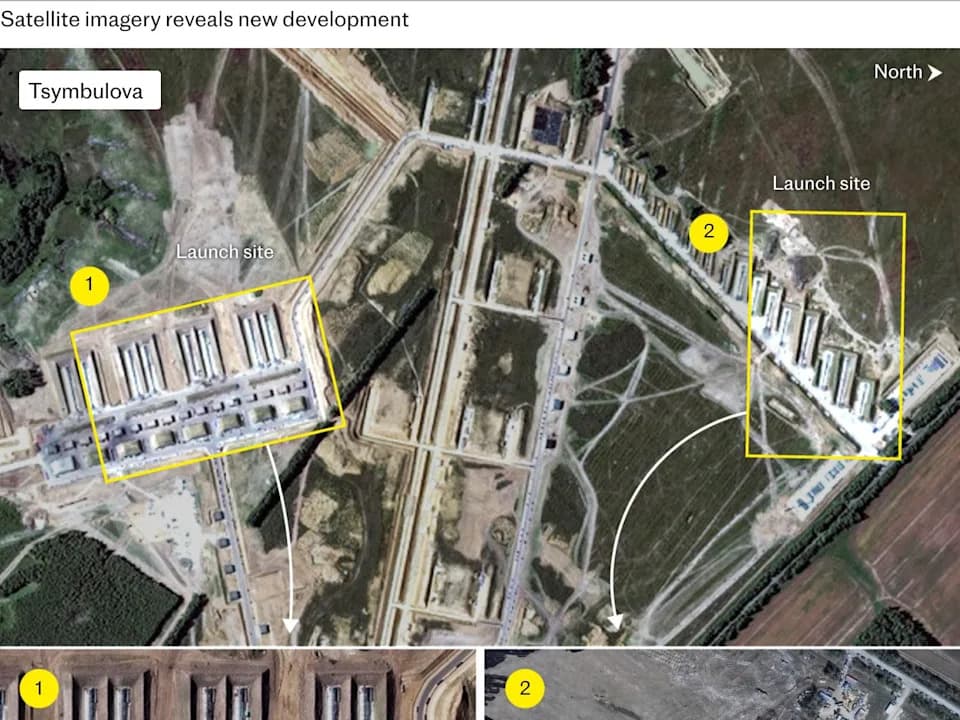
Some jet drones are launched from long rails that accelerate them to flight speed before their engines take over, and Russia has reportedly expanded base infrastructure to support these launches.
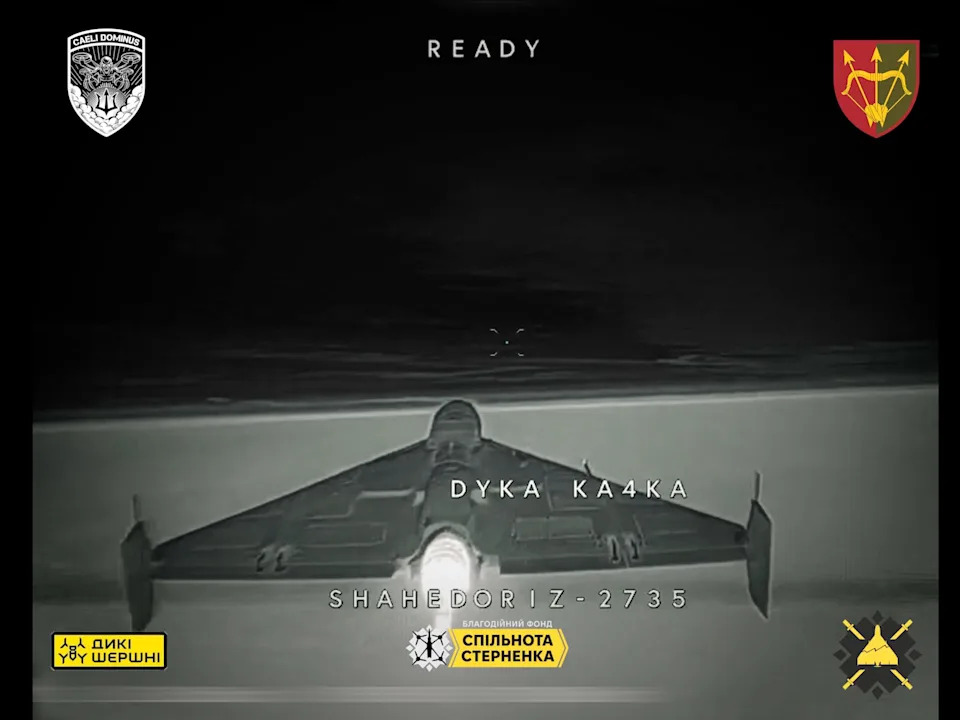
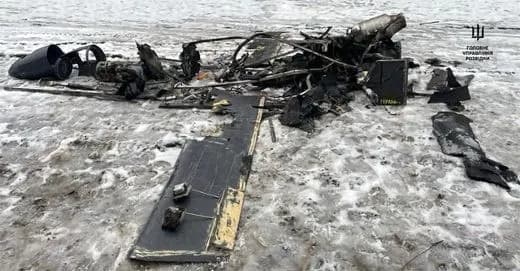
The view from a Ukrainian interceptor as it closes in on a Russian jet-powered drone.Ministry of Defense of Ukraine/Screengrab via X
Impact On Ukrainian Defenses
Ukrainian officials say Kyiv still intercepts more than 90% of Russian cruise missiles and Geran‑2 drones, but jet‑powered drones and ballistic missiles pose far greater challenges. Ukraine's military intelligence (GUR) has reported that Russia increased jet‑drone deployments in response to the effectiveness of Ukraine's interceptor drones and has worked to make the designs more maneuverable.
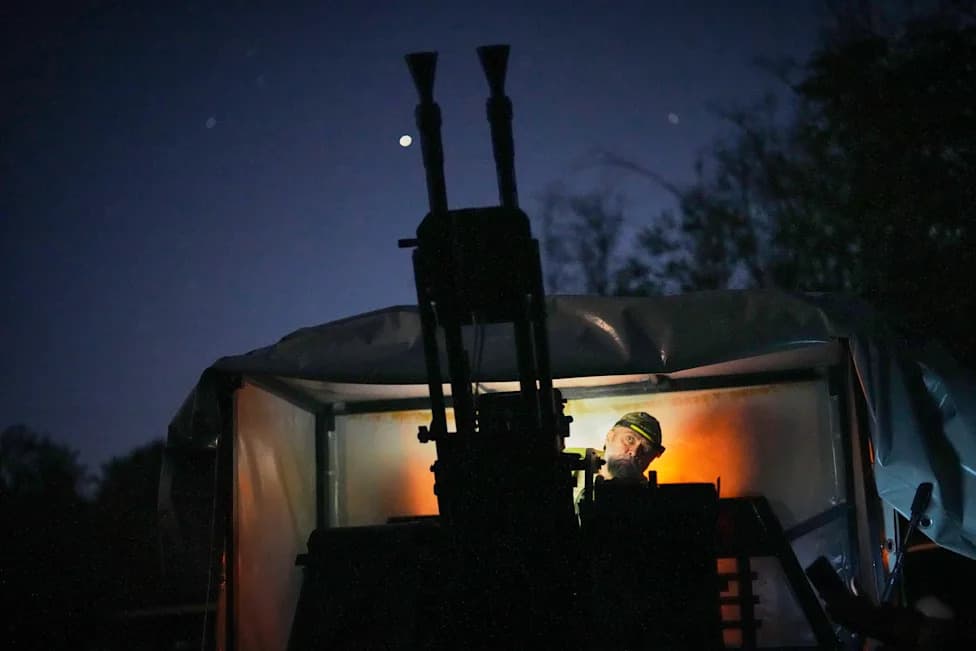
To respond, Ukrainian defense firms and forces are accelerating development and deployment of faster countermeasures. Company Skyfall says its interceptor, the P1‑Sun JetKiller, had already downed more than a dozen jet‑powered threats by late July and was moving toward mass production. Kyiv also relies on mobile air‑defense batteries, electronic‑warfare systems, fighter aircraft and surface‑to‑air missiles to engage these high‑speed targets.
Civilian Impact And Wider Context
President Volodymyr Zelenskyy said a Russian jet‑powered drone struck a passenger train in the Odesa region, killing at least two people, underlining the real human cost of the evolving threat. The uptick in jet drones comes as Ukraine faces intensified ballistic‑missile attacks and strained stocks of Western interceptors — factors that complicate sustained air defense.
“This presents us with new challenges that require a timely response,” Gen. Oleksandr Syrskyi warned in June, reflecting Kyiv’s urgent need to adapt to faster aerial threats.
Sources: Statements and assessments from the Ukrainian Air Force, GUR military intelligence, Ukrainian parliament officials, Business Insider reporting, and public comments by Ukrainian leaders and defense firms.
Help us improve.