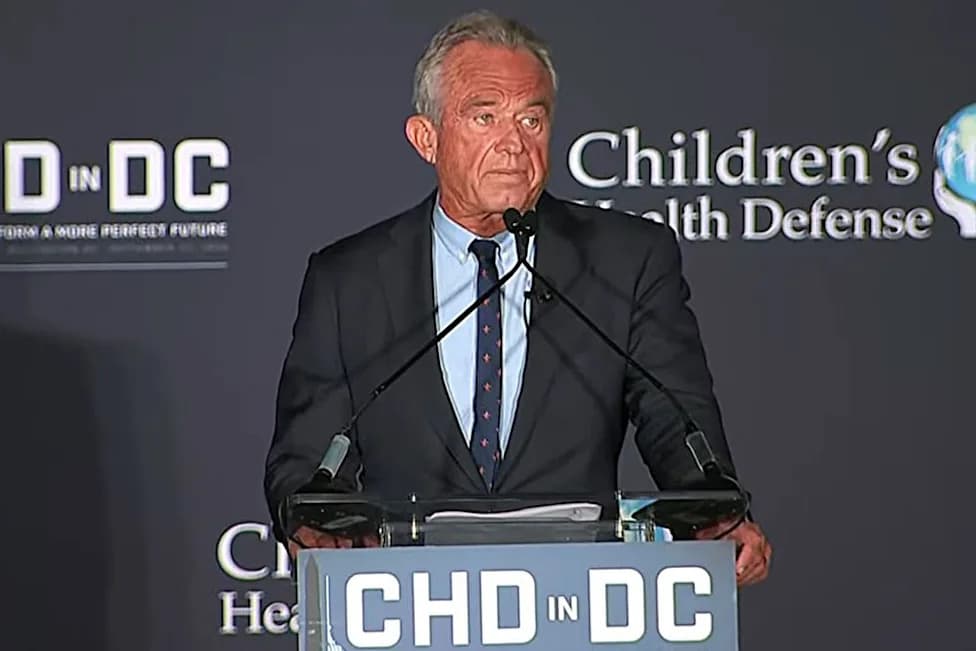
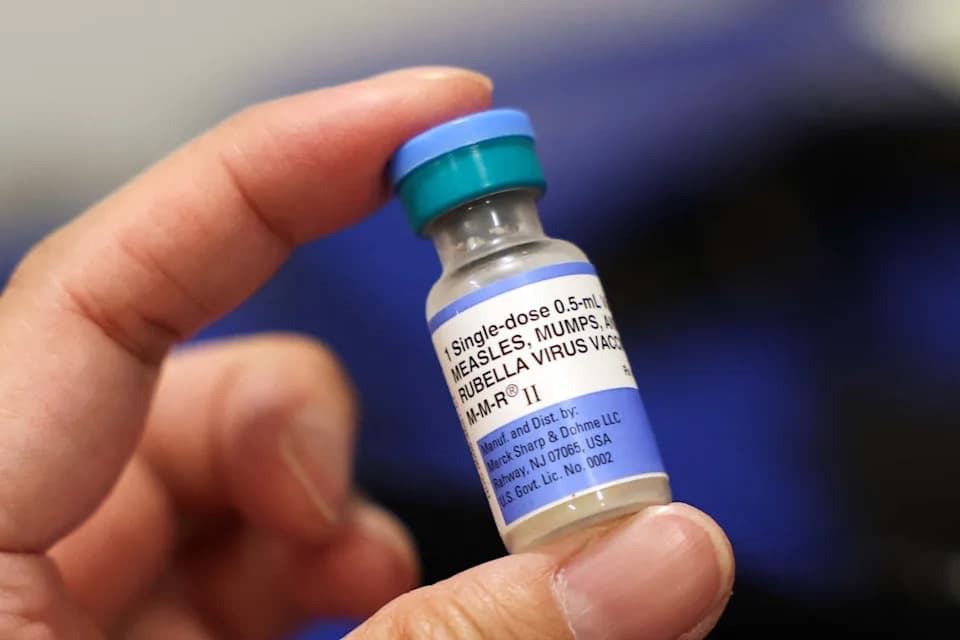
The White House issued an executive order urging that the combined MMR vaccine be split into three separate shots, a recommendation public-health experts and physicians say lacks supporting evidence. Decades of clinical data show the trivalent MMR is safe and provokes immunity comparable to separate vaccines, while reducing clinic visits. Separating the shot would likely mean six injections instead of two, increasing missed doses and logistical burdens, and would require new approvals and manufacturing. Experts also reiterate that vaccines do not cause autism and do not "overload" children’s immune systems.
Why the MMR Is Given As One Shot — And Why Splitting It Would Be Problematic
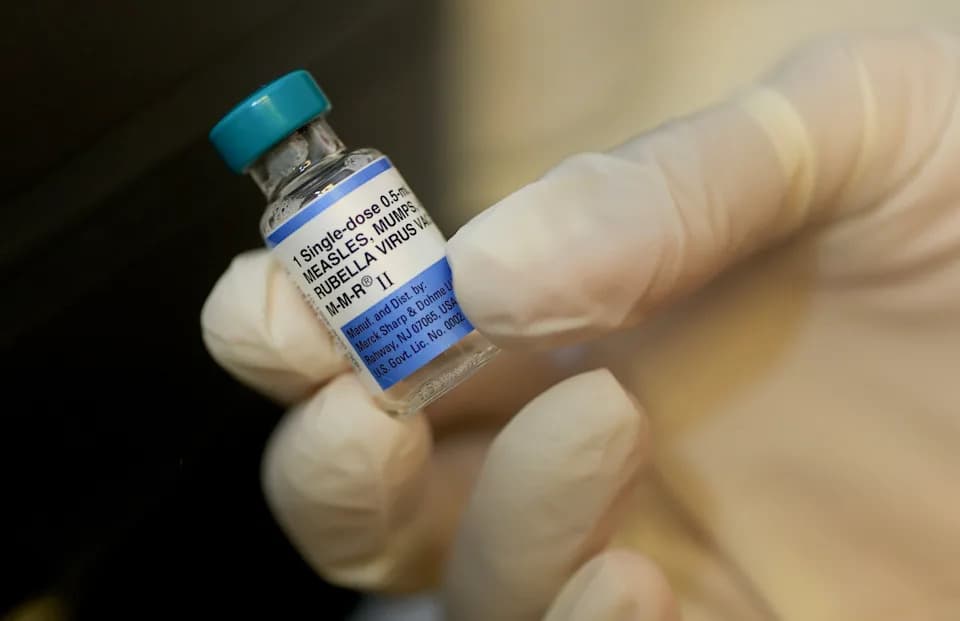
Joe Raedle/Getty Images - PHOTO: A vial of MMR vaccine is prepared at a doctor's office, Sept. 12, 2025, in Coral Gables, Fla.
Earlier this week President Donald Trump signed an executive order recommending that the combined measles, mumps and rubella vaccine (MMR) be administered as three separate injections rather than as a single trivalent shot. The administration framed the move as a safety measure, though public-health experts say there is no evidence supporting that claim.
How the MMR Was Developed
The combined MMR vaccine has been used in the United States since 1971, when measles, mumps and rubella vaccine strains were formulated into a single trivalent shot. The measles component was first licensed in 1963 (Edmonston-B strain) and updated in 1968 (Edmonston-Enders); the mumps Jeryl Lynn strain and the rubella RA 27/3 strain followed in the late 1960s. The rubella component was modified again in 1979, but the U.S. measles and mumps vaccine viruses have remained unchanged since 1971.
Safety and Effectiveness: What the Evidence Shows
Decades of clinical trials and real-world data demonstrate that the combined MMR produces an immune response comparable to separate monovalent vaccines, while offering practical advantages in delivery. According to the Centers for Disease Control and Prevention (CDC), one MMR dose is about 93% effective against measles, 78% effective against mumps and 97% effective against rubella. Two doses increase protection for measles to roughly 97% and for mumps to about 88%.
Why Breaking It Up Would Be Difficult
Experts warn that separating the MMR into three individual vaccines — and keeping the current two-dose schedule — would mean six injections instead of two. That change would add more clinic visits and create more opportunities for children to miss doses, potentially lowering overall vaccination coverage at a time when measles outbreaks are rising.
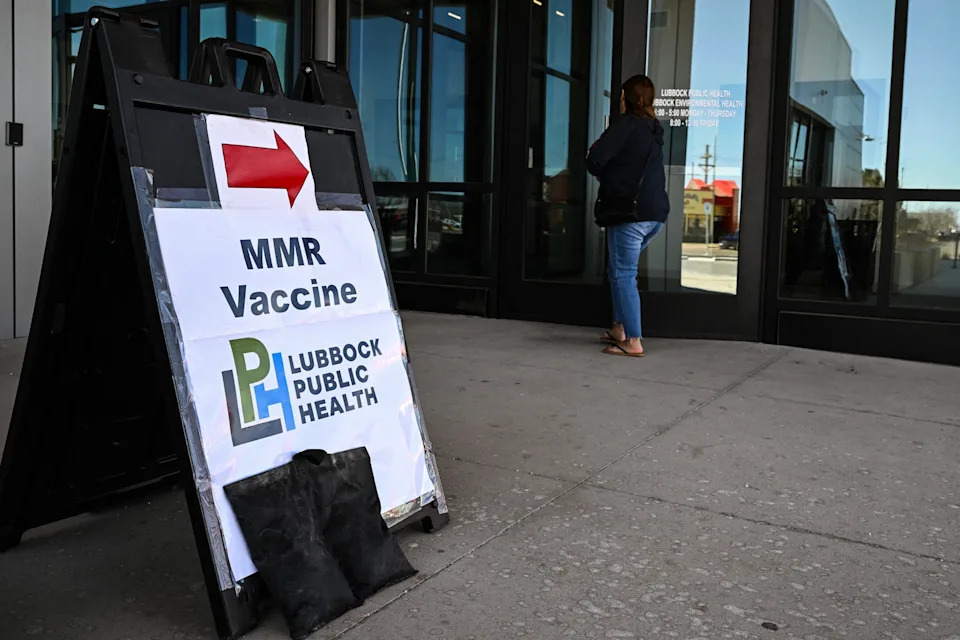
Ronaldo Schemidt/AFP via Getty Images - PHOTO: A person walks past a sign at a health center where the MMR (measles-mumps-rubella) vaccine is administered in Lubbock, Texas, Feb. 27, 2025.
Dr. Hana El Sahly, professor of molecular virology and microbiology at Baylor College of Medicine, told ABC News that there are currently no monovalent measles, mumps or rubella vaccines licensed for use in the U.S., nor are manufacturers known to be developing them. Creating separate licensed vaccines would require new research, clinical trials, FDA approval and large-scale manufacturing — an expensive and time-consuming process.
Logistics and Access Concerns
Many pediatric offices operate at capacity; tripling the number of visits required for full MMR protection could overwhelm scheduling and reduce access to care. As Dr. Paul Offit of the Children’s Hospital of Philadelphia explained, increasing visits from two to six raises the risk that children will "fall through the cracks," especially during surges in measles cases.
Addressing Common Misconceptions
The executive order and its supporters referenced long-debunked claims tying the MMR vaccine to autism. These claims trace back to a 1998 U.K. paper that was retracted in 2010; the author lost his medical license and his findings have not been replicated. Large, well-conducted studies and meta-analyses have found no causal link between MMR vaccination and autism.
Another common concern is that multiple vaccines given close together could "overload" a child’s immune system. Experts reject that idea: modern vaccines contain far fewer active antigens than older vaccines, and everyday exposure to microbes presents a far greater antigenic challenge than routine immunizations. As Dr. Offit noted, the human body regularly responds to thousands of microbial components without harm, so the notion that vaccines overwhelm the immune system is scientifically unfounded.
Bottom Line
Public-health authorities and clinicians say splitting the MMR into three separate licensed vaccines would offer no proven safety advantage, would require lengthy regulatory and manufacturing work, and could reduce vaccination completion rates — increasing the risk of preventable outbreaks. For now, the CDC-recommended schedule remains the most practical, evidence-based approach for protecting children against measles, mumps and rubella.
Sources: Centers for Disease Control and Prevention (CDC); statements from vaccine experts reported by ABC News; historical vaccine licensing records.
Help us improve.