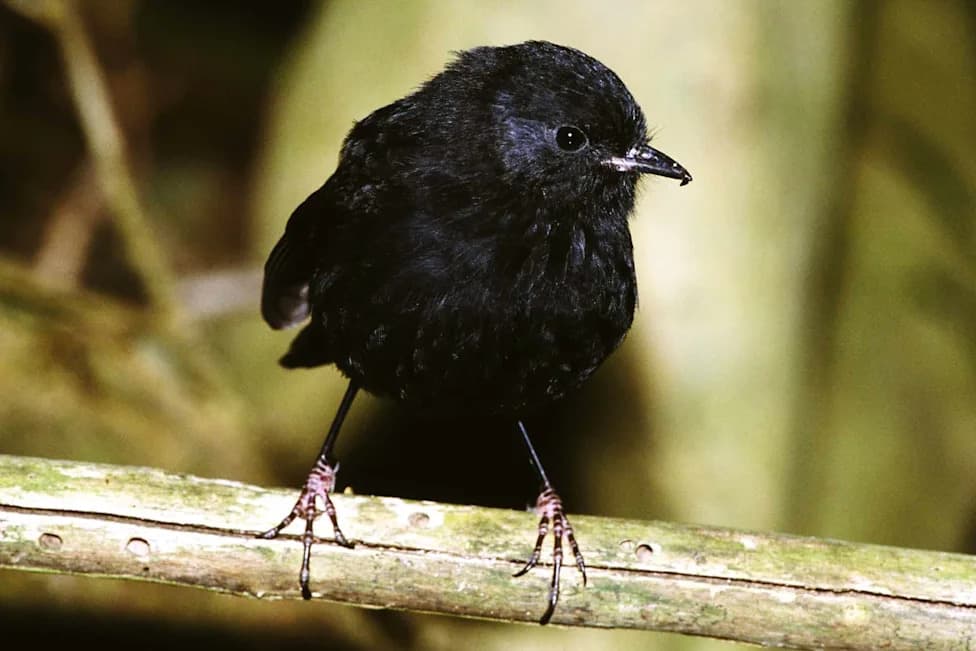
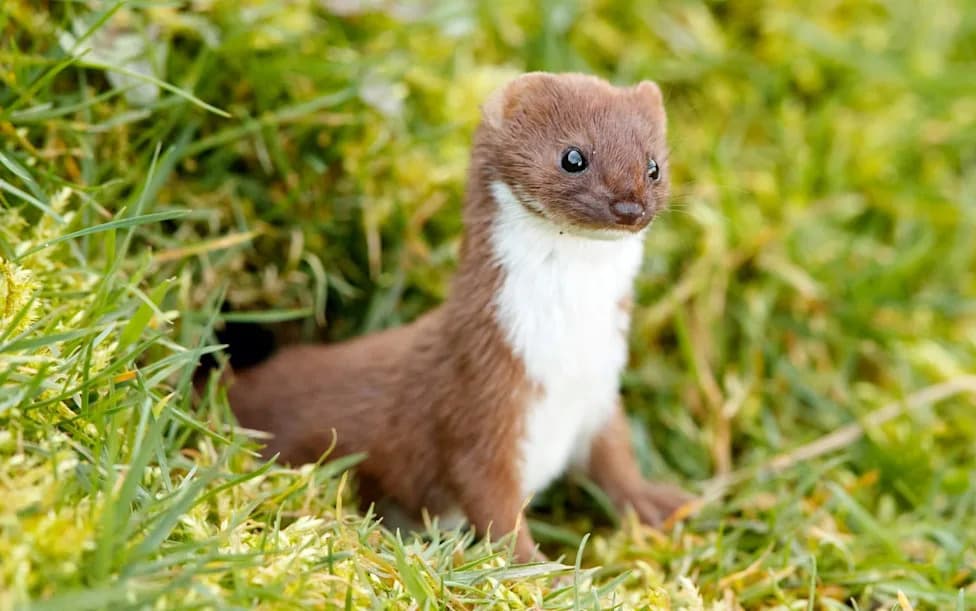
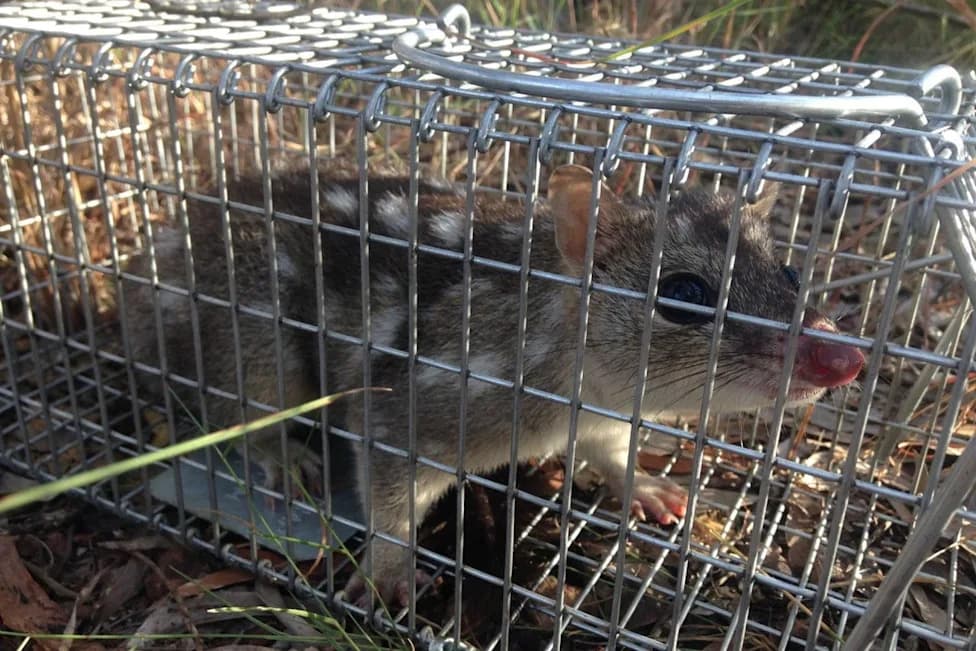
Conservation teams on Purerua Peninsula in northern New Zealand say a single feral tabby nicknamed "Nine Lives" is believed to have killed about 30 reintroduced pāteke and kiwi chicks. The elusive cat evaded capture for years before walking into a baited trap and being humanely shot on 30 July 2026. Authorities will examine its stomach contents and plan to taxidermy the specimen for educational use, highlighting the wider threat feral cats pose to native wildlife and the role of Predator Free 2050.
‘Nine Lives’: Feral Tabby Linked To ~30 Rare Bird Deaths Caught And Humanely Euthanised
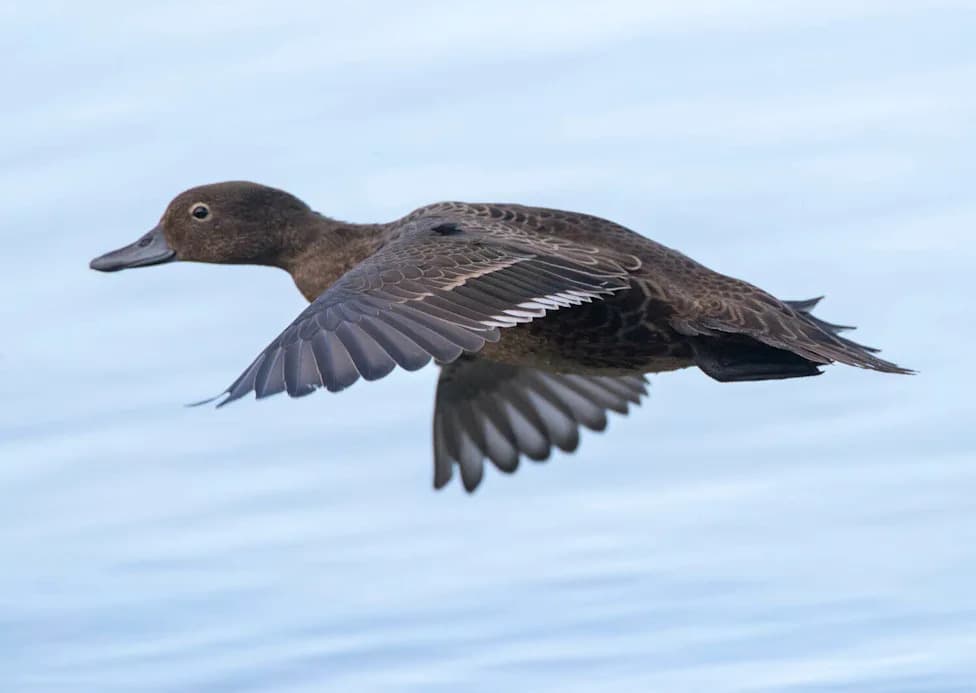
Adult Brown Teal (Anas chlorotis) flying over a lake in the predator-proof sanctuary Tawharanui Regional Park, North Island, New Zealand. The Māori name for it is pāteke.© Agami Photo Agency/Shutterstock.com
Conservationists restoring rare pāteke (brown teal) and kiwi to Purerua Peninsula in northern New Zealand say a single large feral tabby — nicknamed "Nine Lives" for eluding capture for years — is believed to have killed about 30 reintroduced birds before finally entering a baited trap on 30 July 2026. The animal was humanely shot after being trapped and will be examined and preserved to help educate the public about the threat feral cats pose to native wildlife.
Background: A Predator Among Reintroductions
Purerua Peninsula, in the Bay of Islands of Northland on New Zealand's North Island, is the focus of the local project Pest Free Purerua, run by the conservation group Kiwi Coast. Teams have been reintroducing mainland species, including pāteke — New Zealand’s rarest mainland duck — and kiwi chicks, to rebuild populations wiped out in part by introduced mammalian predators.
Repeated Losses Linked To One Cat
Trail cameras first captured the tabby in 2023. In that year Pest Free Purerua released 20 captive-raised pāteke; within a week carcasses began to appear and about three-quarters of that release were later found dead. After more trapping in 2024, a second release of 20 pāteke saw 15 quickly killed. Conservationists attribute roughly 30 confirmed bird deaths across both releases primarily to the same large tabby.
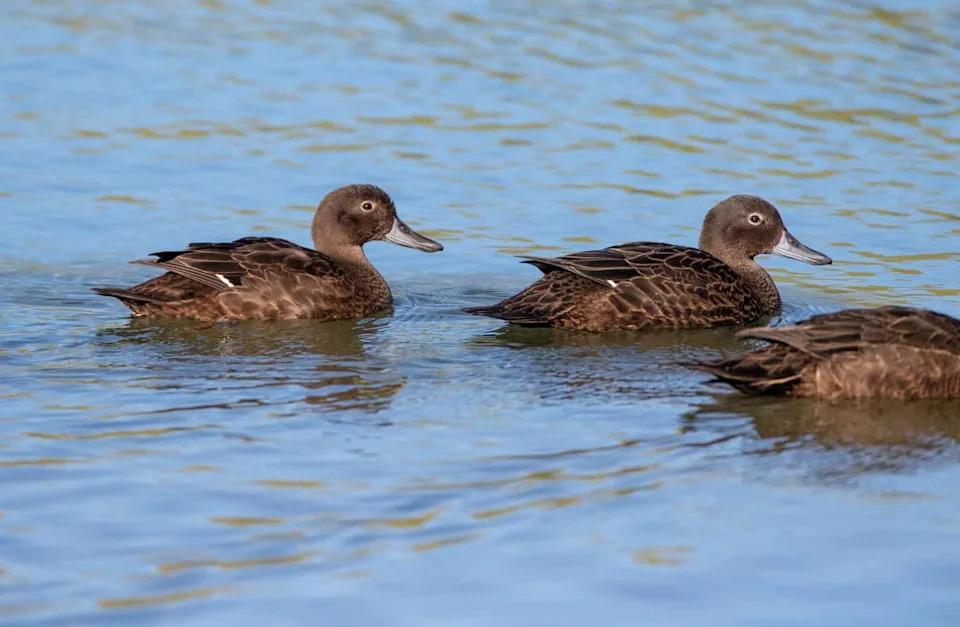
Pāteke are one of New Zealand's rarest birds.©Agami Photo Agency/Shutterstock.com
Why Native Birds Are Vulnerable
New Zealand's native birds evolved without mammalian predators, leaving species like pāteke and kiwi chicks especially exposed when cats, rats and mustelids were introduced. Estimates of truly wild feral cats in New Zealand vary — one commonly cited figure is about 2.4 million, while some assessments suggest numbers could be much higher. In 2025 feral cats were added to the national Predator Free 2050 programme, a move that drew strong public support.
The Hunt For Nine Lives
Trappers used baited cages, night cameras and other equipment but repeatedly missed the elusive tabby. "It was a really stressful time. So we brought in more traps, gear, night cameras to try and get to the root cause of the problem," said Andy Mentor, project manager for Pest Free Purerua. Mentor described the cat as erratic, turning up at different times and places without a predictable pattern, which complicated capture efforts.
"This particular cat would be very erratic. It would show up in a particular place and then not show up for another two or three months. It would show up at dusk, midnight, early morning, through the day, so it was never a predictable pattern," Andy Mentor told The Guardian.
At the end of July 2026 the tabby unusually frequented a quarry three nights in a row. The team laid out salmon, fried chicken and rabbit, deployed cages and set remote alerts. On 30 July a mobile alert showed activity in a cage; field teams attended and the cat was humanely shot.
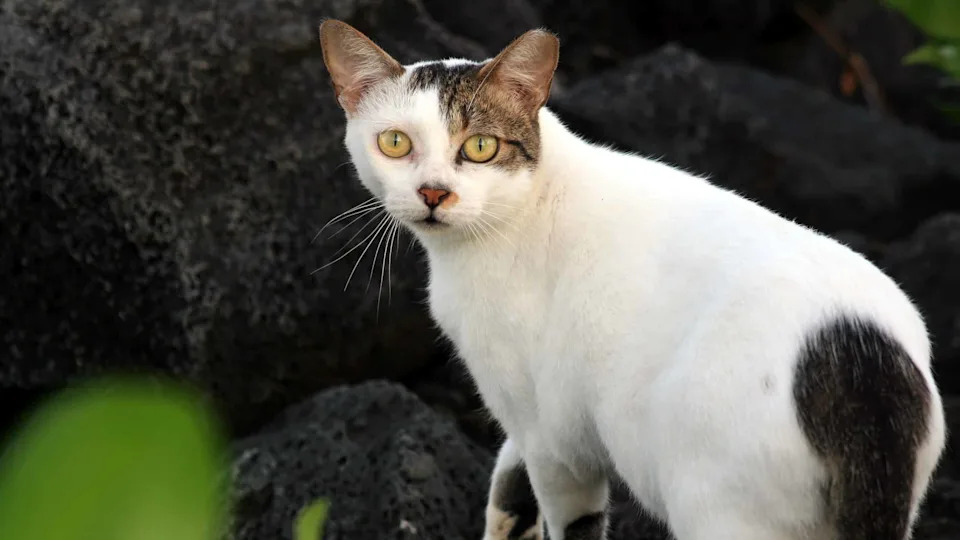
More than 2.5 million feral cats live in New Zealand.©Brocken Inaglory | CC BY-SA –Original/License
Aftermath And Education
Conservationists plan to examine the cat’s stomach contents to determine its recent diet — investigators will look for remains of pāteke, kiwi chicks, native geckos and other wildlife. The specimen will then be taxidermied and used as an educational exhibit to illustrate the real, local impact that feral cats have on native species.
Public reaction on social media was mixed: many supported the conservation action, while some expressed sympathy for the animal. Mentor said the cat should be treated with dignity despite its destructive impact: "Nine Lives needs to be given a certain amount of dignity and respect."
Broader Context
The episode underscores the challenges of restoring native species in New Zealand and the importance of targeted predator control. While this single cat caused disproportionate harm, conservationists stress that large-scale, community-backed measures are needed to protect vulnerable species across the country.
Help us improve.