Romania has shut both reactors at the Cernavoda nuclear plant after the Danube fell to record low levels amid a Europe-wide drought and heatwave. Authorities spent over €2 million on emergency diversion works and warned large industrial users may face evening restrictions. Neighbouring Hungary is taking measures at its Paks plant, and low Danube levels are also disrupting shipping across the river corridor.
Heatwave Forces Romania to Shut Cernavoda Nuclear Plant as Danube Falls to Record Lows
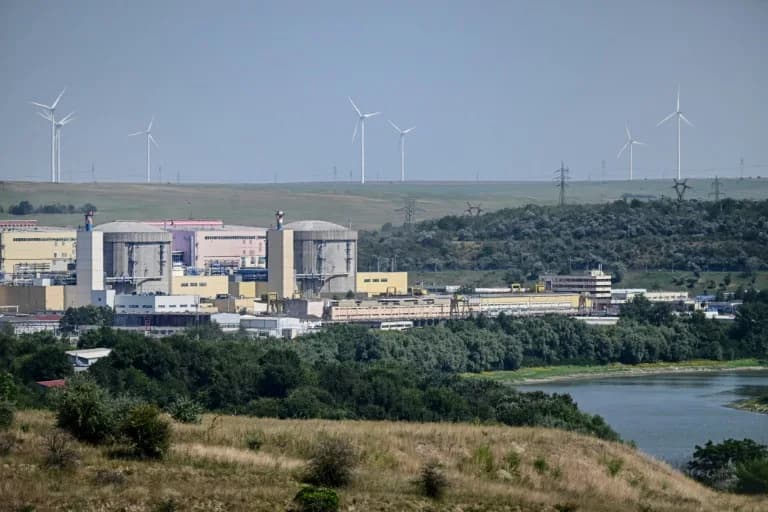
The Cernavoda plant usually generates a fifth of Romania's electricity (Daniel MIHAILESCU)
Romania halted operations at its only nuclear power station, Cernavoda, after the Danube River — which supplies cooling water to the reactors — fell to record low levels amid a Europe-wide drought and heatwave. The rare full shutdown occurred on Thursday after the plant's state operator said continued low flows made safe reactor cooling impossible.
The Cernavoda facility normally supplies roughly one-fifth of Romania's electricity. Nuclearelectrica had already taken one of the two 700MW reactors offline last month and announced it had to shut the second reactor "due to the significant and ongoing drop in the water level of the River Danube." Plant director Romeo Urjan told AFP:
"We do not foresee a restart within the next ten days."
Efforts To Divert The Danube
Romanian authorities had mounted emergency efforts to prevent a full shutdown. The government allocated more than €2 million (about $2.3 million) to try to redirect local Danube flows and preserve cooling capacity. Measures included blasting rock and sinking four barges filled with stones into the river to raise local water levels.
The energy ministry said alternative supplies — including wind generation and electricity imports — are expected to cover demand, and officials urged the public to practise "responsible consumption." As a contingency, large industrial users could face evening curbs to conserve power. In early August the government asked carmakers Dacia and Ford to pause production until August 19 to help manage the shortfall.
Record-Low Flows And Regional Impact
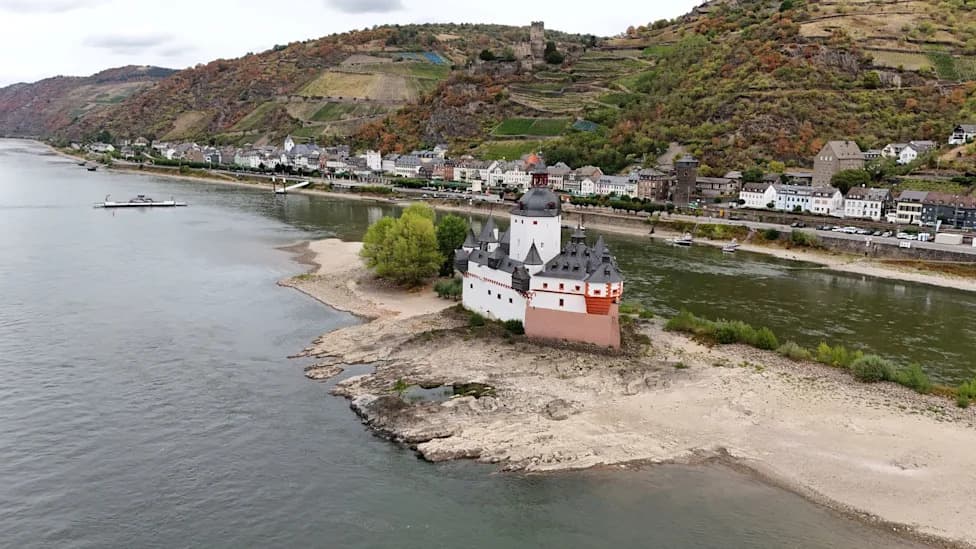
An analysis by the European climate service Copernicus found nearly two-thirds of the Danube experienced July flow rates at their lowest levels in 34 years. Scientists from the World Weather Attribution group said the drought has been intensified by human-driven climate change and warned the situation is likely to worsen.
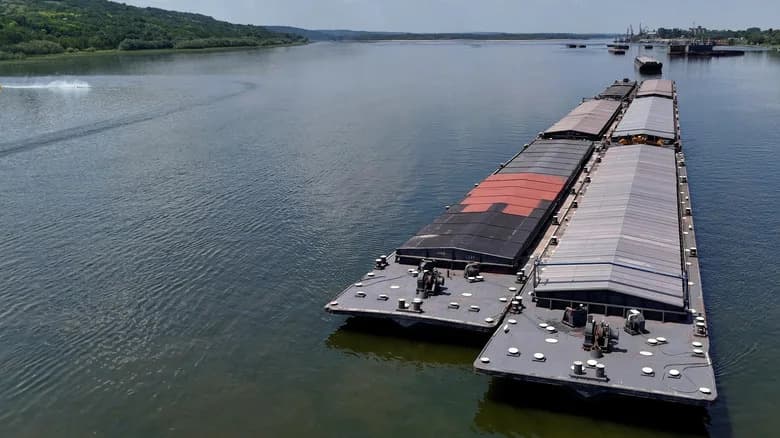
Neighbouring Hungary has taken its own emergency steps at the Paks nuclear plant, whose four reactors also rely on Danube cooling water. Hungarian authorities planned a submerged wall (weir) near Paks and positioned two 80-metre barges that could be sunk to raise local water levels; Paks has been partially offline since late last month. Low Danube levels are also disrupting shipping along the river's 2,850-kilometre corridor from western Germany to the Black Sea.
Outlook
Authorities across the region remain on alert as forecasts call for continued hot, dry conditions. Officials say a combination of import contracts, renewables and demand-management measures will be used to maintain supplies while cooling conditions and river flows are monitored.
Help us improve.