Global tobacco policy now spans extremes: some countries are moving toward near‑total restriction while others keep cigarettes deeply embedded in daily life. Nations such as Bhutan, Singapore, Australia and the UK have adopted plain packaging, high taxes or generational sales bans to reduce smoking. Conversely, Indonesia, Myanmar, Serbia and Bulgaria still show very high prevalence driven by affordability, cultural acceptance and enforcement gaps. Upcoming legislation and enforcement will be decisive in shaping future tobacco trends.
The 7 Countries With the Toughest Smoking Laws — And 5 Where Cigarettes Still Dominate

Image credits: Unsplash
Walk through an airport in Singapore and then one in Jakarta and you’ll see similar signage — but very different realities. In one place a lit cigarette is treated almost like contraband; in the other, smoking remains woven into daily life. Over the past two years some governments have pushed through generational bans, expanded outdoor smoke-free zones, and mandated plain packaging, while others continue to permit widespread sale and advertising. Below is a country-by-country tour based on the latest tobacco-control data and active legislation.

Bhutan: the country that tried to ban tobacco outright (Image Credits: Unsplash)
Bhutan: A Near‑Total Prohibition
Bhutan remains unique for attempting to ban the sale, cultivation and production of tobacco. Smoking is prohibited in most indoor and outdoor public places and on public transport, with specific bans covering markets, playing fields, festivals and traditional celebrations. The sales ban was relaxed during the COVID‑19 pandemic to limit black‑market activity; licensed outlets now operate under government oversight. Importation remains heavily taxed: a 100% sales tax on tobacco from India and both 100% sales tax and 100% customs duty on tobacco from other countries.

Singapore: fines, jail time, and packaging stripped of all branding (Image Credits: Unsplash)
Singapore: Heavy Penalties and Plain Packaging
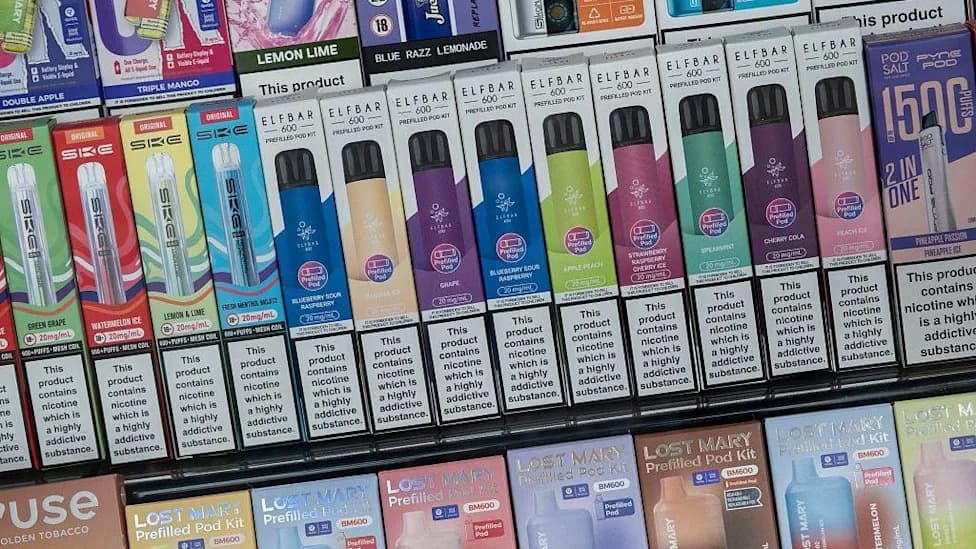
Singapore has engineered its market to make tobacco unattractive. Since July 1, 2020, plain packaging is mandatory, and combined pictorial and textual health warnings must cover 75% of the front and back of packs. The legal purchasing age is 21, labeling and marketing are tightly restricted, and enforcement against vaping is severe — possession of e‑cigarettes can attract fines and even criminal penalties.
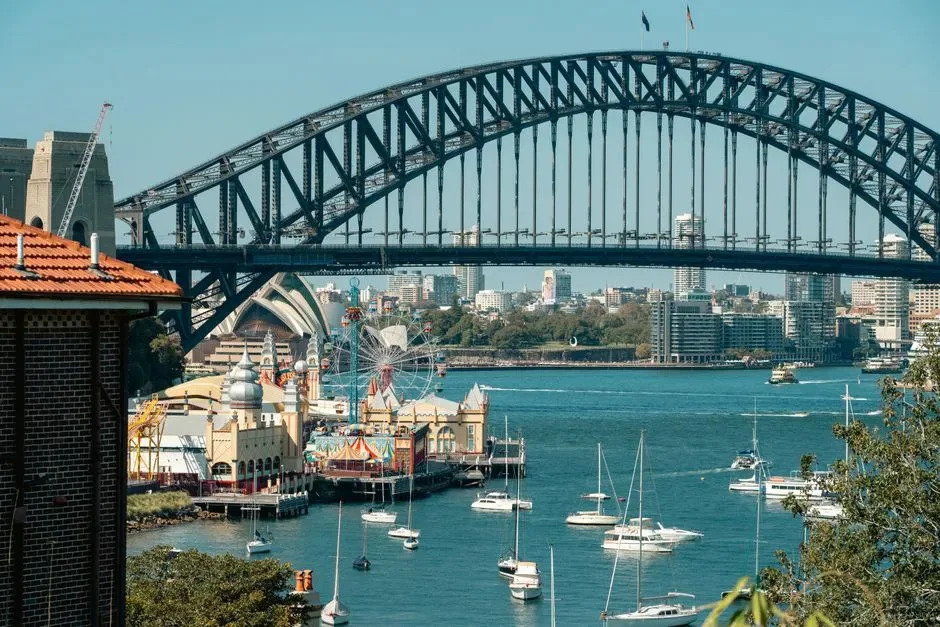
Australia: the country that started the plain packaging movement (Image Credits: Pexels)
Australia: The Plain‑Packaging Pioneer
Australia’s Tobacco Plain Packaging Act (2011) set a global template: standardized packs with no brand imagery and large graphic health warnings. Combined with high taxes and sustained public‑health campaigns, these measures helped reduce the national smoking rate to roughly 12% and inspired similar laws around the world.

Mexico: from café ashtrays to one of the world's strictest regimes (Image Credits: Pixabay)
Mexico: Rapidly Tightening Rules
Mexico has expanded smoke‑free protections to beaches, parks and hotels, extending earlier workplace and hospitality bans to many outdoor public spaces. In December 2025 the Senate approved reforms proposing prison sentences of up to eight years for offenses tied to manufacturing, distributing or selling vaping products — one of the strictest sets of penalties aimed at vape supply chains, while personal use would remain permitted under the proposal.

New Zealand: plain packaging pioneer with an unfinished story (Image Credits: Unsplash)
New Zealand: Strong Controls, Generation Policy In Flux
New Zealand has long been a leader in tobacco control: standardized packaging and other restrictions remain in force and the national smoking rate is under 11%. The high‑profile generational sales ban that aimed for a "Smokefree 2025" was later repealed after a change in government, leaving public‑health advocates pressing for a clear replacement strategy.

United Kingdom: the newest member of the smoke-free generation club (Image Credits: Pixabay)
United Kingdom: A Smoke‑Free Generation Law
The UK joined a small group pursuing a generational tobacco ban. The Tobacco and Vapes Bill received Royal Assent on April 29, 2026, banning tobacco sales to anyone born on or after January 1, 2009, with the ban taking legal effect from January 1, 2027. The law also regulates advertising, packaging and public use. While some politicians have pledged to reverse the policy if elected, the measure currently marks a major step toward phasing out legal tobacco sales for a future generation.

France: the café culture nation tightens the leash (Image Credits: Pixabay)
France: Reining In A Café Culture
France has tightened outdoor smoking rules effective July 1, 2025, banning smoking in parks, beaches, forests and areas near schools in addition to earlier indoor bans. Some terrace cafés and selected adult outdoor spaces remain exempt, but regulators are targeting single‑use e‑cigarettes and broader tobacco‑free zones.
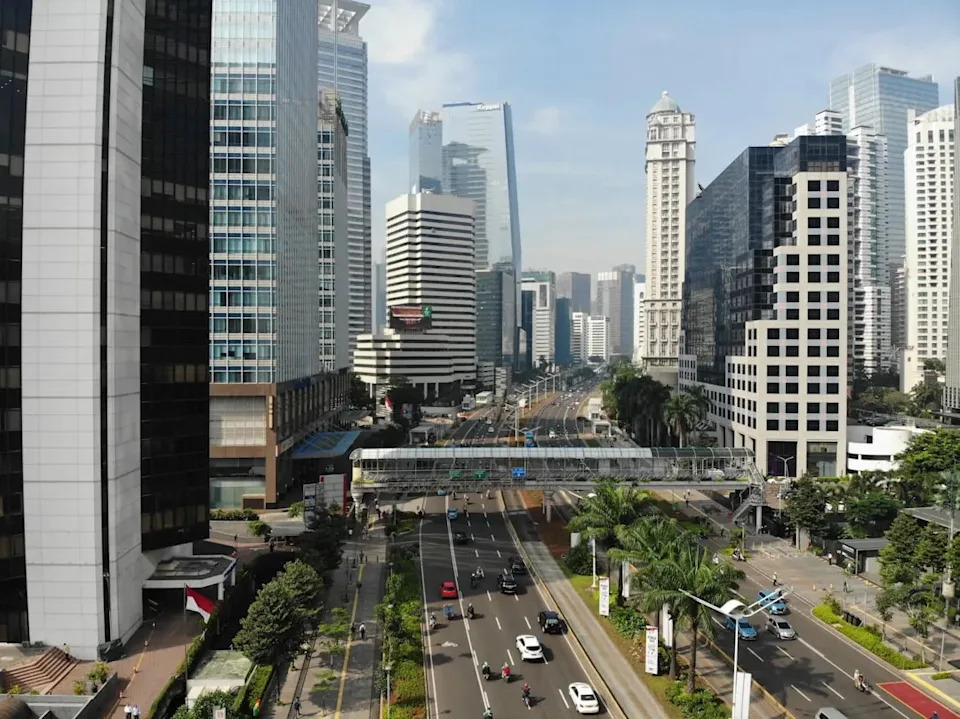
Indonesia: where cigarette advertising still lines the streets (Image Credits: Unsplash)
Indonesia: High Prevalence And Weak Enforcement
Indonesia stands at the opposite extreme: WHO projections estimated a 38.7% tobacco‑use prevalence among people aged 15+ in 2025, making it one of the world’s highest. Male smoking is especially prevalent, with roughly three in four adult men reported as regular smokers. Laws exist but enforcement is uneven, cigarettes are widely available (including online) and advertising is only partially restricted.

China: the biggest smoking market on the planet by sheer numbers (Image Credits: Unsplash)
China: The Largest Smoking Market By Numbers
China’s percentage prevalence is moderate compared with some nations, but its population means there are more than 300 million smokers — by far the largest smoking population on the planet. Much of the industry has state links, complicating aggressive reform. The gender gap is stark: approximately 44.4% of men smoke versus about 1.4% of women, reflecting cultural norms and targeted marketing.

Serbia: one of Europe's highest smoking rates despite EU pressure (Image Credits: Pixabay)
Serbia And Bulgaria: High Rates In Europe
Serbia’s adult tobacco‑use prevalence is estimated at about 39.0%, while Bulgaria’s is around 38.8%, among the highest in Europe. Both countries face challenges tied to cultural acceptance, affordable cigarettes and enforcement gaps — factors that have kept smoking common in cafés, workplaces and public life despite regional pressure to tighten controls.

Bulgaria: cheap cigarettes and a stubborn smoking culture (Image Credits: Pexels)
Myanmar: Extremely High Use Including Smokeless Forms
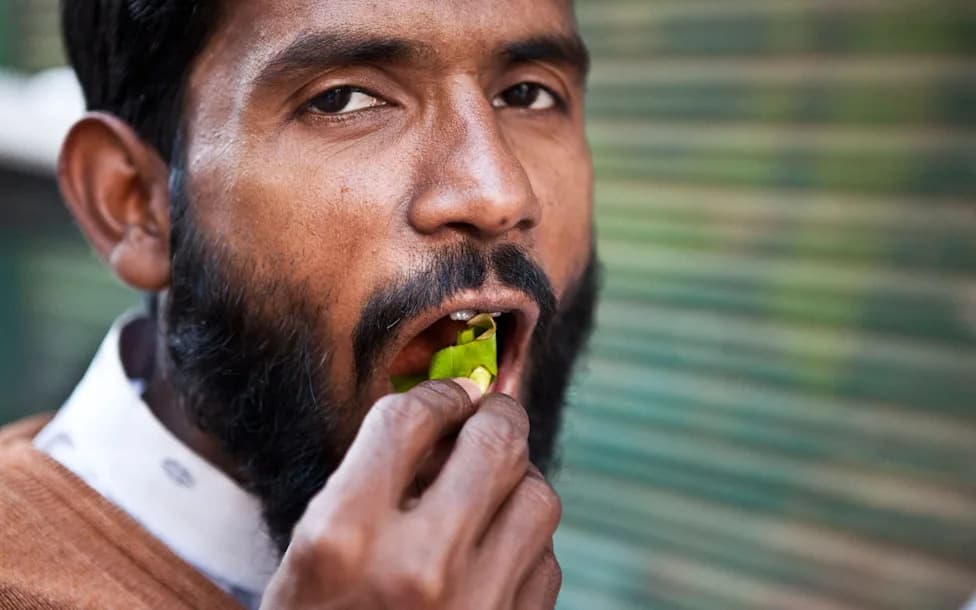
Myanmar’s adult tobacco‑use prevalence was estimated at 42.3% in 2025 (including smoked and smokeless forms). Widespread use of betel quid and other chewed products, low prices, aggressive marketing and limited enforcement amid political instability help explain the exceptionally high rates.

Image Credit:Shutterstock.
The contrast between the two groups of countries illustrates more than regulatory choices: governments such as Bhutan, Singapore, Australia and the UK are betting that tough, sometimes unpopular measures will save lives over the long term. Countries such as Indonesia, Myanmar, Serbia and Bulgaria show how affordability, marketing and cultural habits can outweigh legal constraints. The next wave of legislation and its enforcement will largely determine whether the global gap in tobacco use narrows or persists.
Help us improve.