By early August 2026 the EU had seen 489,826 hectares burned, making this season the fourth‑largest since 2012. Spain and France were the hardest hit, while several countries — including the UK, Italy and Portugal — recorded sharp rises versus their 14‑year averages. Experts warn that the economic, health and insurance consequences will extend far beyond the land directly burned. All figures are based on data up to week 31 from the Global Wildfire Information System (via Our World in Data).
Europe’s 2026 Wildfires: How Bad Is This Summer’s Blaze Season?

Wildfires in Europe: Is 2026 already the worst year on record?
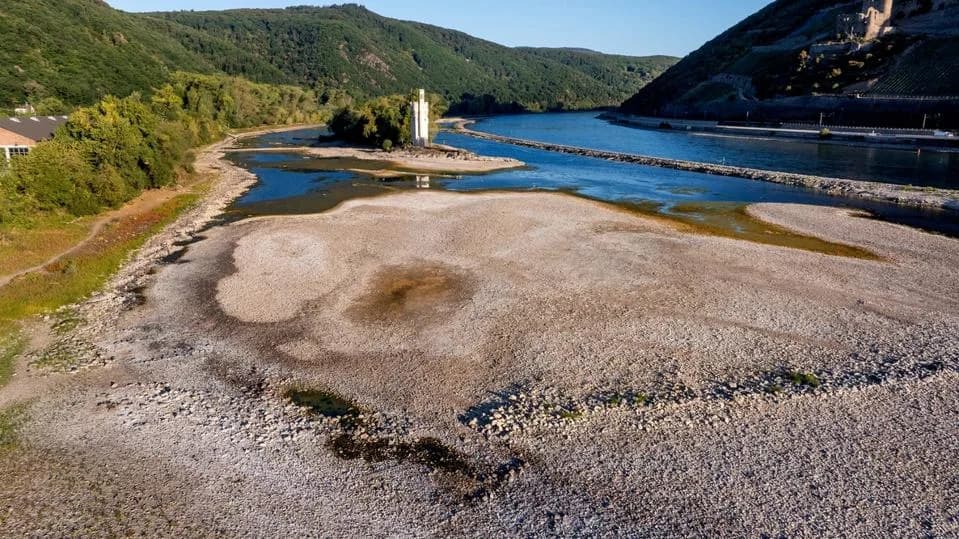
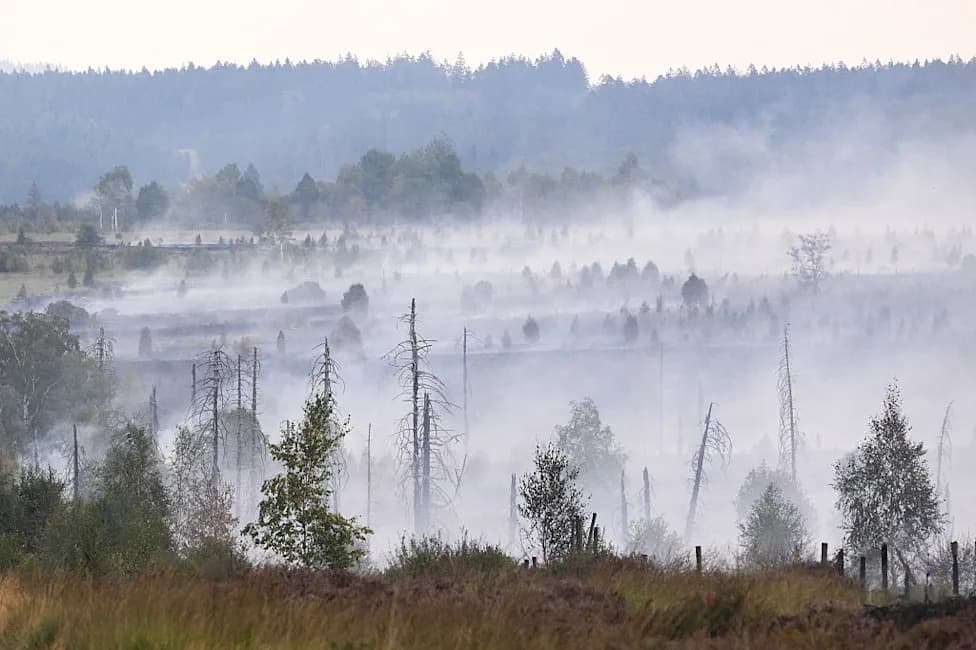
Wildfires have scorched large swathes of Europe this summer, triggering mass evacuations, overwhelming firefighting services and spreading alongside prolonged heatwaves as mid‑August approaches. By the end of week 31 (early August 2026), official datasets show the scale of the season — and what it might mean for communities, economies and public health.
How Much Land Has Burned?
According to Our World in Data, which uses figures from the Global Wildfire Information System, 489,826 hectares had burned across the European Union by the end of week 31. That total places 2026 as the fourth‑highest season for cumulative area burned since 2012, surpassed only by 2012 (863,122 ha), 2022 (799,040 ha) and 2017 (743,906 ha).
Which Countries Were Hit Hardest?
Spain has been the hardest hit in 2026, with 185,948 hectares burned — roughly 38% of the EU total. France follows with 99,092 hectares (about 20% of the EU total). Other countries with substantial losses by early August include Italy (79,084 ha), Portugal (47,776 ha) and Greece (23,839 ha).
Comparisons With Recent Years And Averages
The 14‑year average for the same point in the year (2012–2025) is 434,711 hectares across the EU. The 2026 total is 55,115 hectares (13%) above that average. Country comparisons highlight sharp rises in some places: Spain’s week‑31 average (2012–2025) was 85,626 ha, making 2026 more than double its prior average and the country’s third‑worst year on record since 2012 (after 2022 and 2012).
France’s 99,092 ha is more than three times its 14‑year week‑31 average (31,648 ha), marking its worst season since 2012; the previous second‑highest was 86,888 ha in 2019. For Italy and Portugal, 2026 ranks among the top five worst seasons in the last 15 years. Greece has seen a milder season compared with several past years.
Smaller Countries With Big Percentage Increases
Several countries recorded notable increases versus their 14‑year averages: the UK lost 22,206 ha (vs 14‑year avg. 12,311 ha), Austria 1,687 ha (vs 513 ha), Denmark 1,177 ha (vs 404 ha), Germany 6,045 ha (vs 3,098 ha) and the Netherlands 1,677 ha (vs 352 ha). By contrast, Turkey experienced far fewer fires this year, losing 39,556 ha compared with an average of 134,707 ha.
Beyond The Burnt Area: Economic, Health And Insurance Impacts
“Europe's wildfires this year confirm that their economic cost reaches far beyond restoring burnt land,” said Professor Simone Varotto of Henley Business School, University of Reading.
Experts caution that the visible area burned understates the total toll. The eventual bill will include destroyed homes, damaged businesses and crops, losses to tourism and industry, smoke‑related health impacts, added pressure on public finances and potentially higher insurance premiums.
What Authorities Should Learn
Professor Varotto urged policymakers to treat southern Europe as an early warning for other regions. “This summer's heatwaves and wildfires in southern England, which have already burnt more than 20,000 hectares, show that fire risk is no longer confined to the Mediterranean,” he said.
Data note: All figures refer to totals reported up to the end of week 31 (early August 2026) and are sourced from the Global Wildfire Information System via Our World in Data. Burnt area is a useful indicator of scale but does not capture the full economic and social costs of wildfire events.
Help us improve.