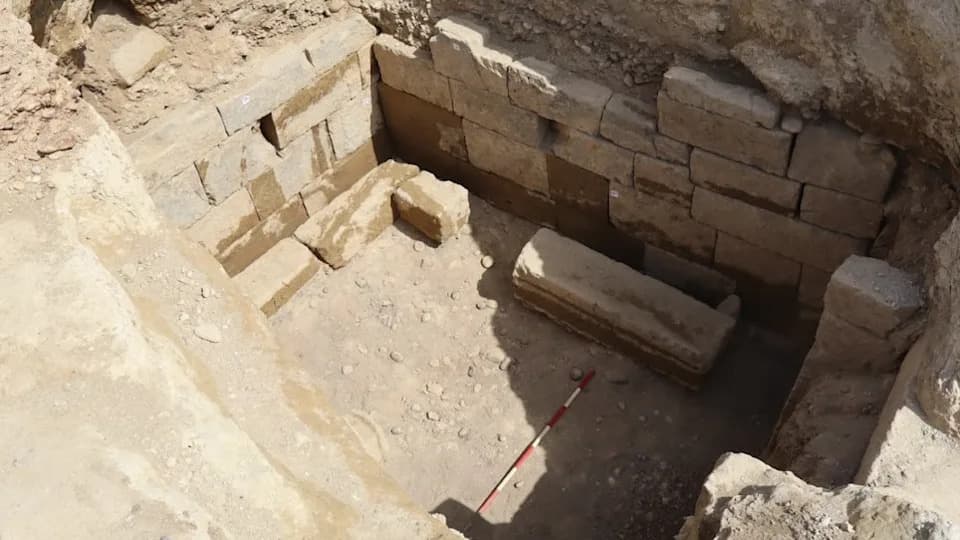
A routine stabilisation project at Villa Celimontana on Rome’s Caelian Hill uncovered an elaborate Roman-era building with mosaics, frescoes and painted ceilings. Archaeologists have identified eight rooms (five fully excavated) and found two superimposed mosaics dated to the 2nd and 3rd centuries C.E. Conservators are washing and cataloguing hundreds of artefacts, and large ceiling sections may be prepared for reconstruction. The discovery, funded under Italy’s National Recovery and Resilience Plan and the EU, could reveal new details about domestic life and urban change in ancient Rome.
Routine Wall Work in Rome Unearths Elaborate Roman Building With Mosaics and Painted Ceilings
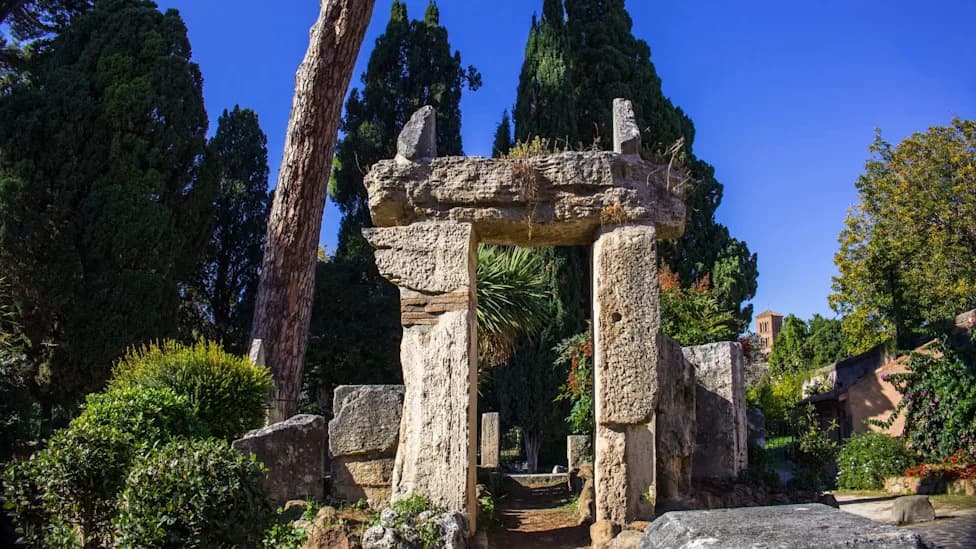
Photo Credit: iStock
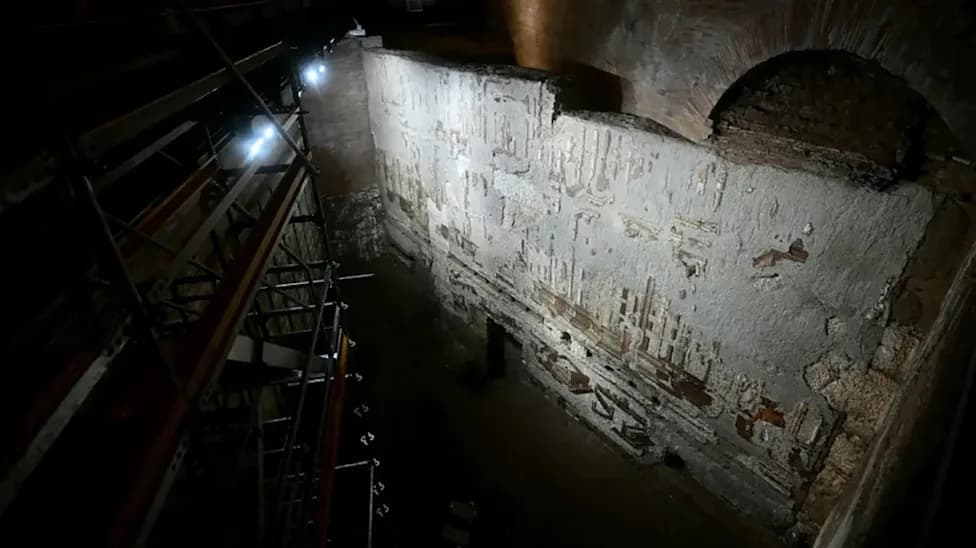
A routine wall-stabilisation project at Villa Celimontana on Rome’s Caelian Hill has unexpectedly revealed a substantial Roman-era building decorated with tiled floors, frescoed walls and richly painted ceilings, officials said.
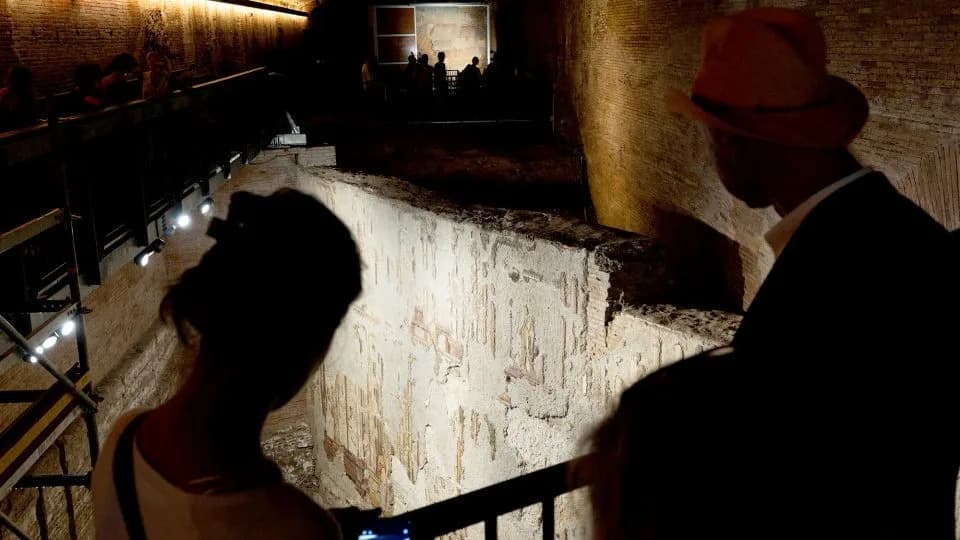
Architects strengthening an old perimeter wall uncovered part of a decorated structure whose rooms contain mosaics, frescoes and painted ceilings. Archaeologists have so far identified eight rooms; five have been fully excavated while several more appear to extend beyond the current dig area.
Layers of History: Two Mosaics, Multiple Phases
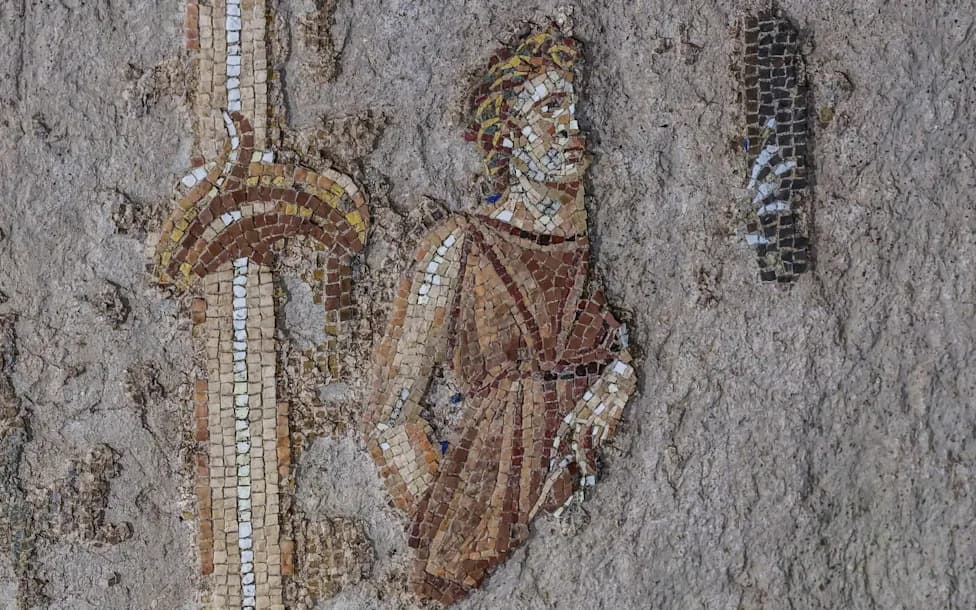
Researchers report that one chamber contains two superimposed mosaic layers: an upper mosaic dated to the third century C.E. and an earlier mosaic beneath it from the second century C.E. Daniela Porro, special superintendent of Rome for archaeology, said the building’s original phase dates to the second century and was altered in the third.
Notable Finds
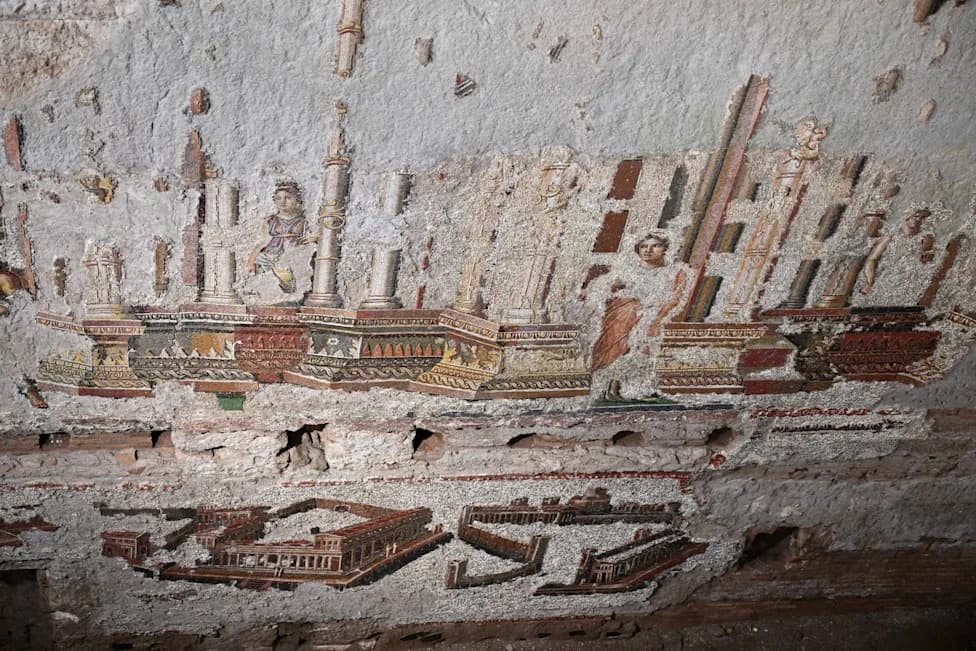
Among the most striking discoveries is a geometric floor mosaic depicting a dolphin and fish. Excavators have also recovered marble fragments, ceramics, painted plaster and sizable sections of an elaborately decorated painted ceiling. Conservators say large portions of the ceiling have survived well enough to be inventoried and prepared for possible reconstruction.
Why This Matters
With multiple ornamented rooms already exposed, the complex could shed light on patterns of wealth, everyday domestic life, building design and how Rome’s neighbourhoods evolved over centuries. The site’s proximity to the Roman Forum had suggested ancient remains might exist here, but chief archaeologist Simona Moretta said the scale of the discovery exceeded expectations, calling it “certainly not with this importance.”
Conservation and Research Underway
The discovery emerged during routine stabilisation rather than a planned archaeological excavation, highlighting how much of the ancient city may still lie preserved beneath modern streets and parks. Teams at the site are carefully washing, cataloguing and logging hundreds of recovered fragments and artefacts to establish the building’s original function and the sequence of later changes.
Possible Uses: Officials say the complex might once have been a domus for an important Roman family, though parts could also have served as barracks linked to Rome’s ancient fire brigade.
The stabilisation and restoration work form part of a wider programme funded under Italy’s National Recovery and Resilience Plan with backing from the European Union. Archaeologists and conservators emphasise that careful restoration and conservation are crucial to protect fragile painted surfaces and decorative elements so specialists can study and, where possible, reconstruct them for future generations.
Help us improve.