McKenna West, an Alaskan surrogate who refused to terminate a pregnancy after a fetal diagnosis of hypoplastic left heart syndrome, delivered a baby boy in the Dallas area on August 12. An emergency court order obtained by Texas Attorney General Ken Paxton ensured the infant would receive life-saving care but also granted the intended parents authority over medical decisions. West has reportedly been barred from holding or visiting the newborn, and the intended parents have filed a $250,000 civil claim against her. Supporters have launched a fundraiser to help West remain near the baby's medical team.
Surrogate Who Refused Abortion Delivers 'Baby Gabriel' After Three-State Legal Fight

McKenna West/Facebook
After a legal battle that stretched across three states, the baby at the center of the dispute has been born.
McKenna West, a surrogate from Alaska, delivered a baby boy on August 12 in the Dallas area, her attorney Lincoln Wilson told The Dallas Morning News. The infant, identified in court records as "Baby Gabriel," was diagnosed in utero with hypoplastic left heart syndrome (HLHS), a serious congenital heart defect.

McKenna West/Facebook
West declined the intended parents' request to terminate the pregnancy after the diagnosis at about 20 weeks. She later traveled to Texas seeking a hospital able to treat the baby's heart condition after birth.
Emergency Order and Custody Dispute
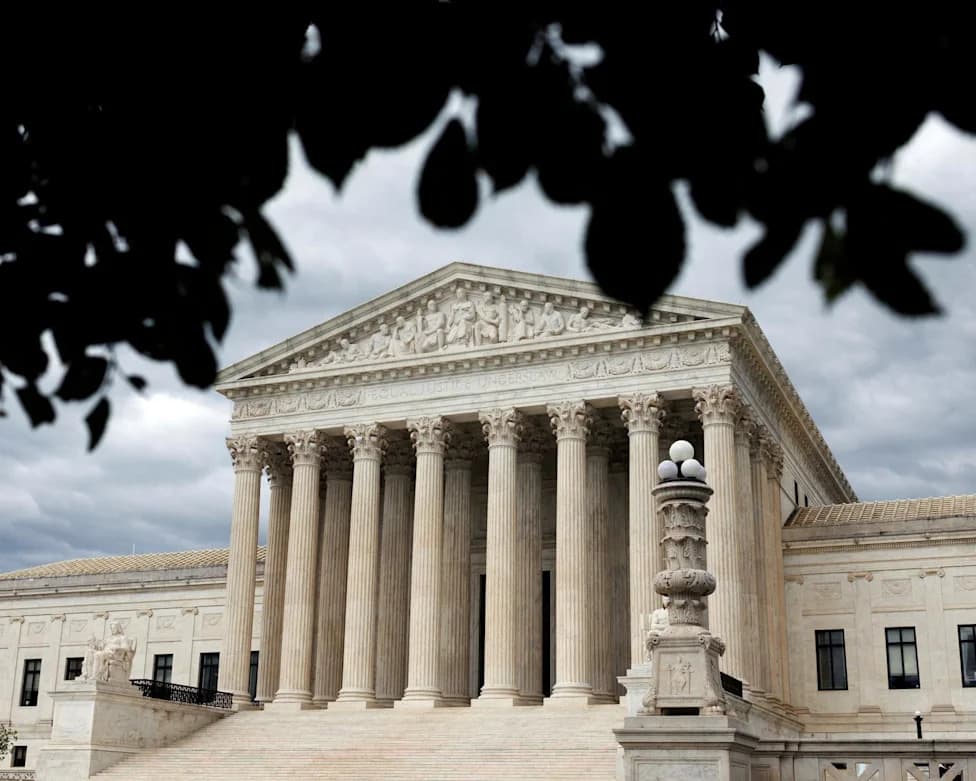
Less than 24 hours before the birth, Texas Attorney General Ken Paxton obtained an emergency court order directing that the infant receive life-saving care. That order also included a restraining provision specifying that the intended parents, Nausheen Gilkar and Omar Ahmed of California, would be responsible for medical decisions for the child rather than West.
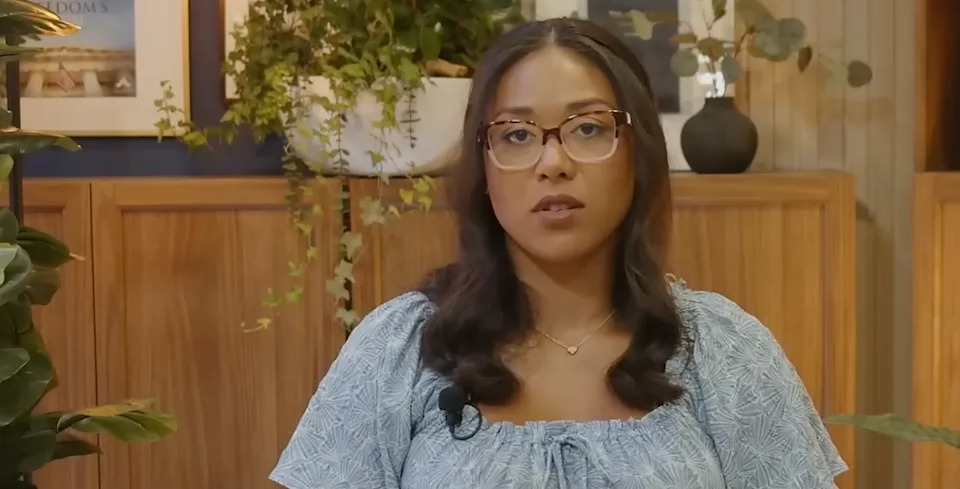
Megyn Kelly/Youtube
As a consequence of that court order, reports indicate West has not been permitted to hold or visit the newborn since delivery.
Civil Claim and Support for the Surrogate
Gilkar and Ahmed previously filed a civil claim seeking $250,000 from West, which they say covers payments made under the surrogacy contract plus alleged additional damages tied to the dispute.

McKenna West/Facebook
Supporters of West have organized a fundraiser to help her remain near the medical team treating Gabriel and to cover related legal, travel, and living expenses. West, who is a mother herself, had said she would consider pursuing custody in Alaska if the intended parents refused a surgery physicians deemed necessary; the court has ordered the operation.
There has been no public update on Gabriel's medical condition since the birth.
Context: The case highlights the legal and ethical complexities that can arise in cross-jurisdictional surrogacy arrangements when medical decisions and parental rights conflict.
Help us improve.