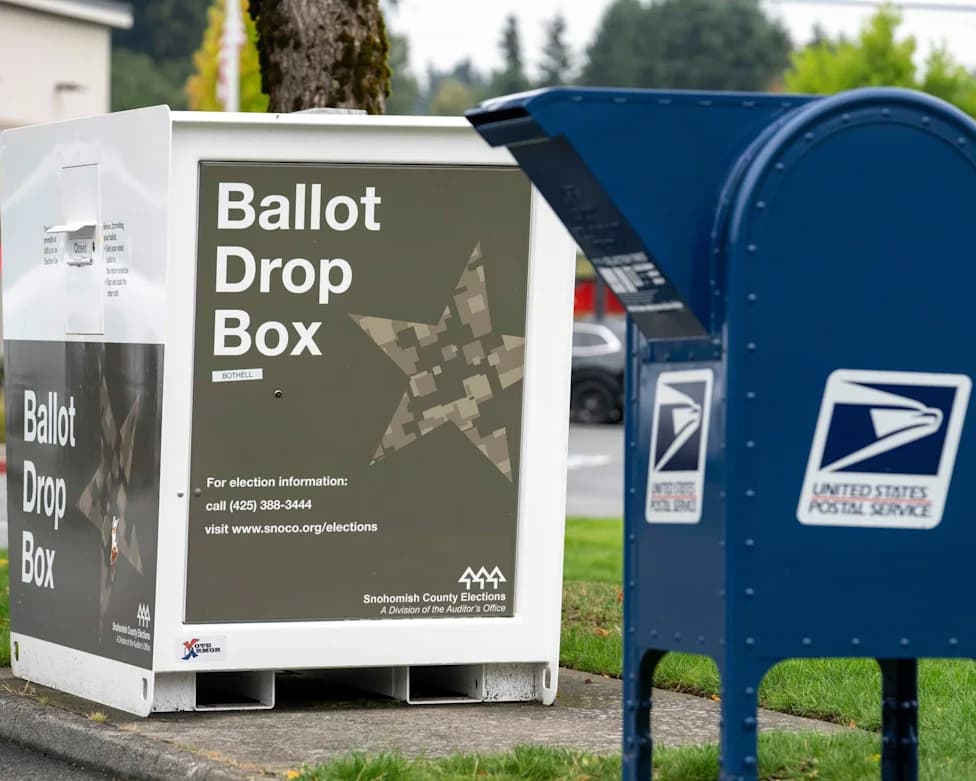
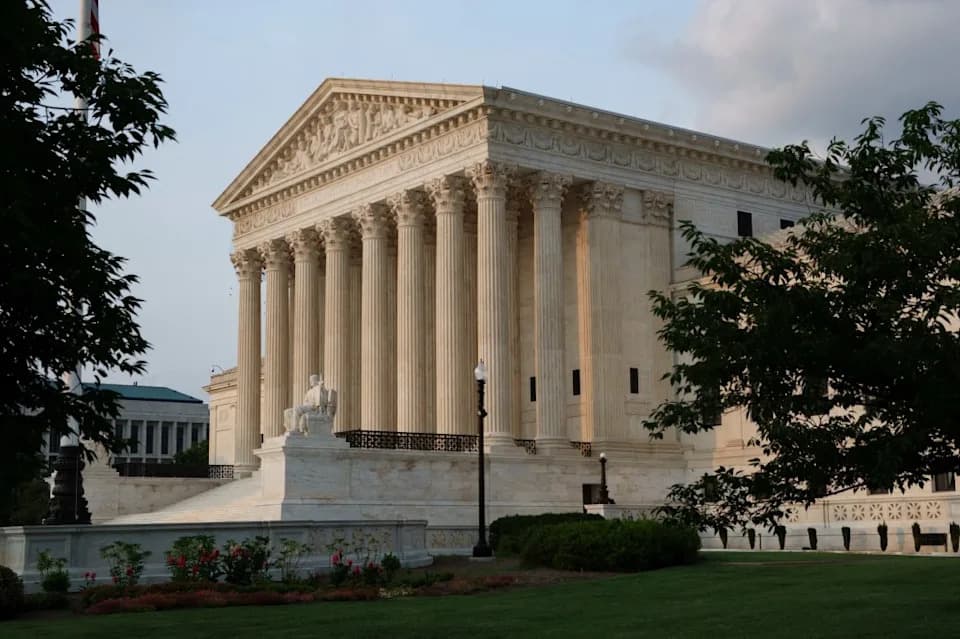
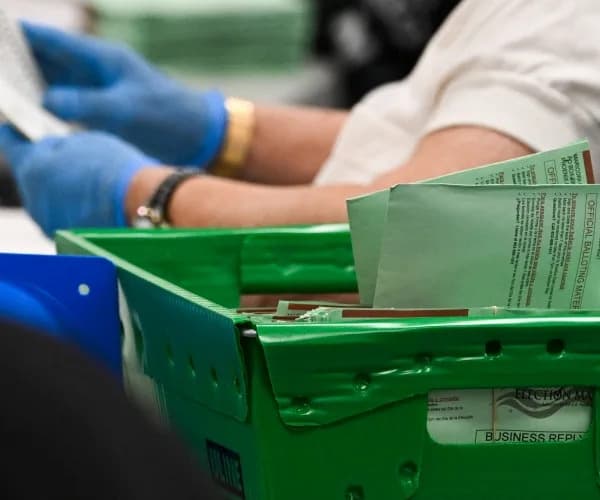
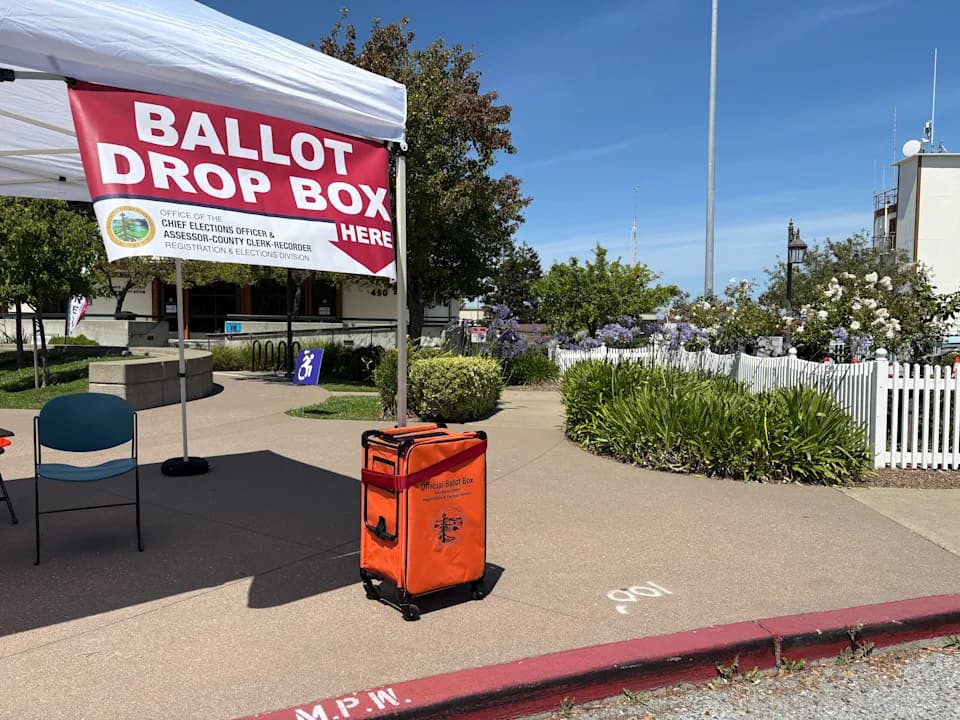
President Trump has asked the Supreme Court to halt a district judge’s order that blocked a nationwide executive directive affecting mail-in voting. Judge Indira Talwani barred the Postal Service from implementing procedures tied to a federal voter list compiled from agency data, saying millions who rely on mailed ballots need clarity before the midterms. The administration argues delay will cause "irreparable harm," while voting-rights groups contend the plan could disenfranchise eligible voters. The Supreme Court must now decide whether to allow the order to take effect before November.
Trump Asks Supreme Court To Revive Mail‑In Voting Rules After Judge Blocks Postal Changes
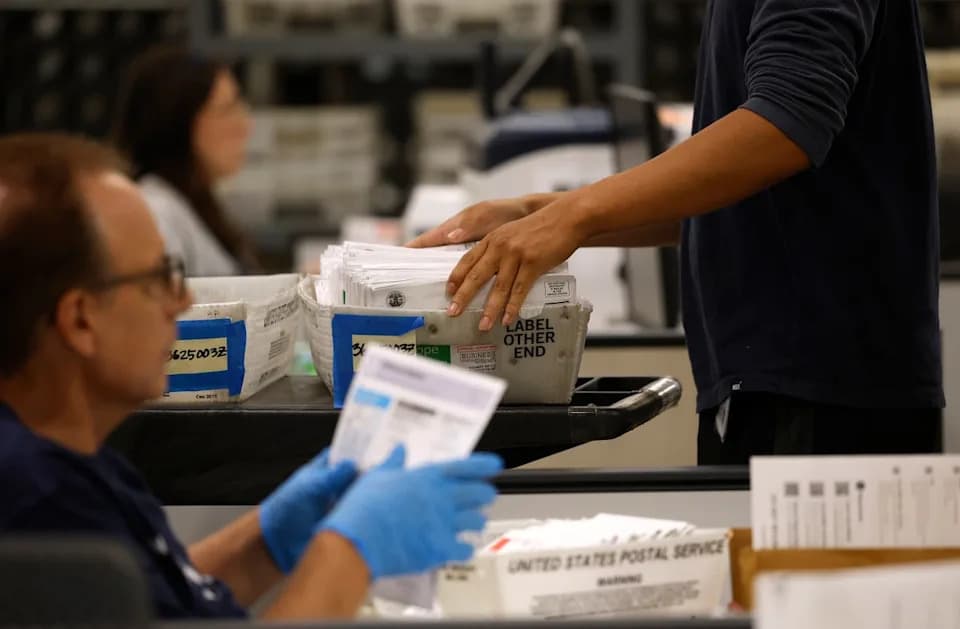
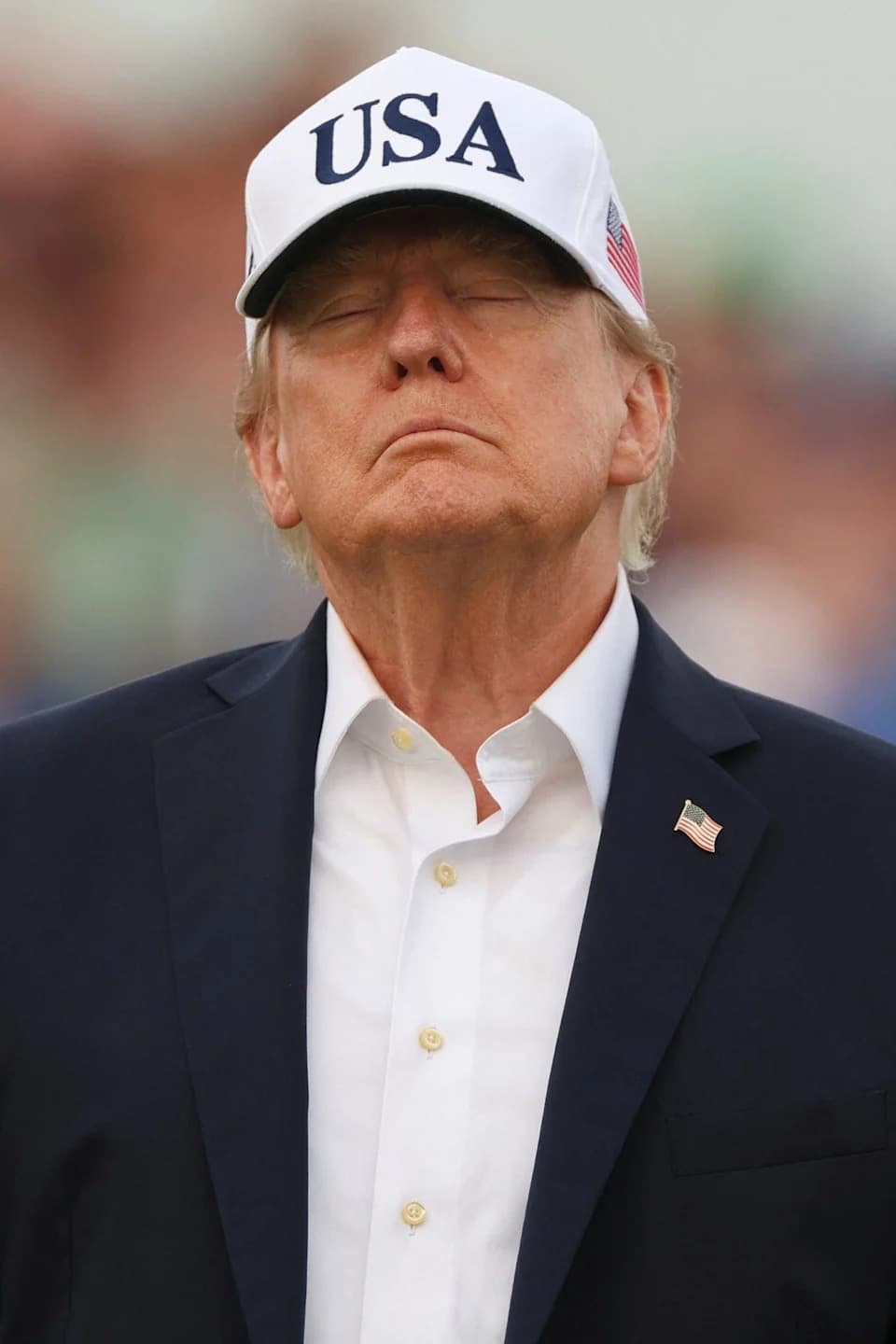
Donald Trump's administration has repeatedly demanded the Supreme Court step into a legal battle over his executive order that significantly restricts mail-in ballots, warnings the justices that time is running out before midterms (Getty)
President Donald Trump has asked the U.S. Supreme Court to intervene after a federal judge blocked his administration’s nationwide executive order that would have reshaped how mailed ballots are distributed ahead of the midterm elections.
Legal Fight And Timeline
On Tuesday night, U.S. District Judge Indira Talwani barred the U.S. Postal Service from implementing procedures tied to an executive order issued in March that sought to create a federal list of eligible voters using data from federal agencies, including the Department of Homeland Security and the Social Security Administration.
U.S. Solicitor General D. John Sauer told the Supreme Court that if the justices do not step in, the lower-court rulings will "effectively run out the clock" on the administration’s efforts to put the order into effect before November and will cause "irreparable harm to the federal government, the public, and election integrity."
What The Order Would Do
The executive order would have required states to accept federally compiled lists of eligible voters and, under the plan, the Postal Service could be prevented from mailing ballots to people not on those lists. The order also would have allowed state election officials to remove voters from registration rolls without first being given the opportunity to confirm whether removals were mistakes.
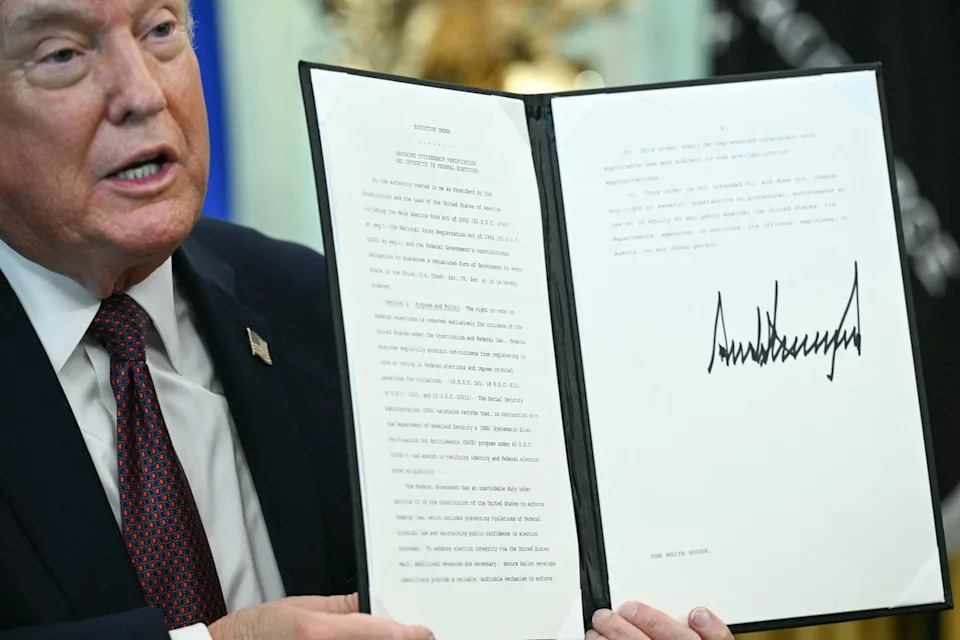
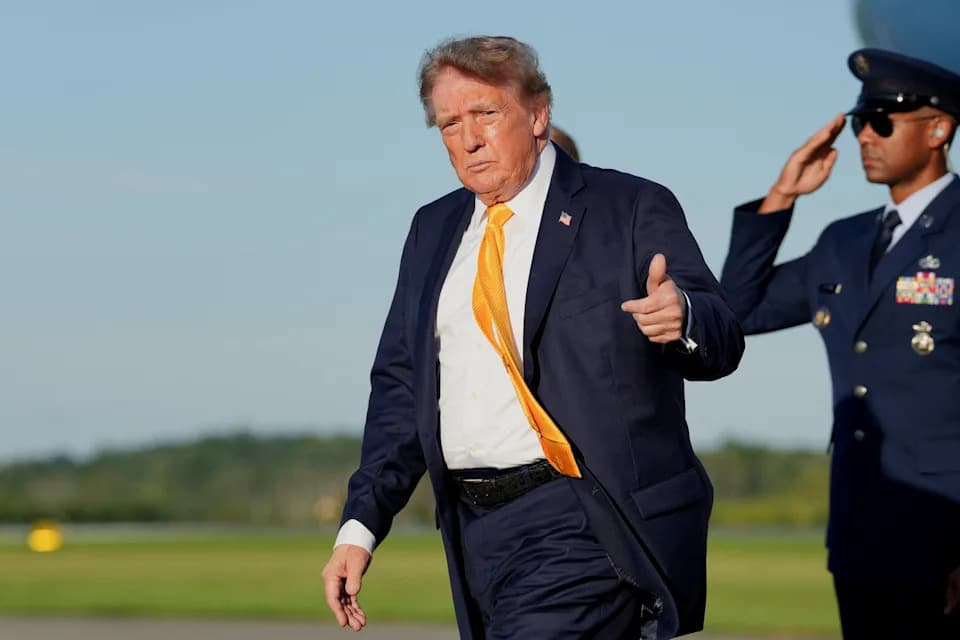
Trump's executive order placing restrictions on mail-in ballots would 'sow chaos into our elections at the expense of eligible voters,' according to the ACLU (AFP/Getty)
"Millions of citizens who rely on mail voting" need "clarity as to how or whether they will vote in November," Judge Talwani wrote, explaining why courts should review the plan now rather than wait until procedures are finalized.
Reactions And Stakes
Legal and voting-rights groups say the order could disenfranchise eligible voters and sow confusion ahead of the midterms. More than two dozen Democratic-led states, dozens of election officials, and over 50 former state and federal judges have urged the Supreme Court to block the order.
Sophia Lin Lakin, director of the ACLU Voting Rights Project, said Talwani’s ruling "sends another necessary message to an administration that continues to weaponize portions of the government to sow chaos into our elections at the expense of eligible voters."
At the same time, the White House has sought congressional action through the SAVE America Act, which would introduce measures such as proof-of-citizenship requirements for voter registration.
Next Steps
The case has now been fast-tracked to the Supreme Court, which must decide whether to stay the district court’s injunction and allow the Postal Service and the administration to move forward with implementation. More than 20 federal court rulings have already limited or blocked the administration’s efforts to collect and use certain voter data.
The dispute centers on the balance between federal action and state authority over election administration, and on ensuring clarity and access for millions of voters who rely on mail ballots this fall.
Help us improve.