High‑price fossil sales are driving an international black market that loots sites, launders specimens, and manufactures fraudulent "Franken‑fossils." Channel 4/CNA's documentary Bones of Contention exposes networks moving fossils from Mongolia through the U.S., Singapore, the Philippines and Europe. Composite skeletons made from multiple animals require CT, UV and chemical tests to detect, but the sedimentary context destroyed by looting is irretrievable. Stronger import controls and transparent provenance are needed to protect scientific heritage.
Inside the Secret Dinosaur Black Market: How High‑Price Sales Fuel 'Franken‑Fossils' and Looting
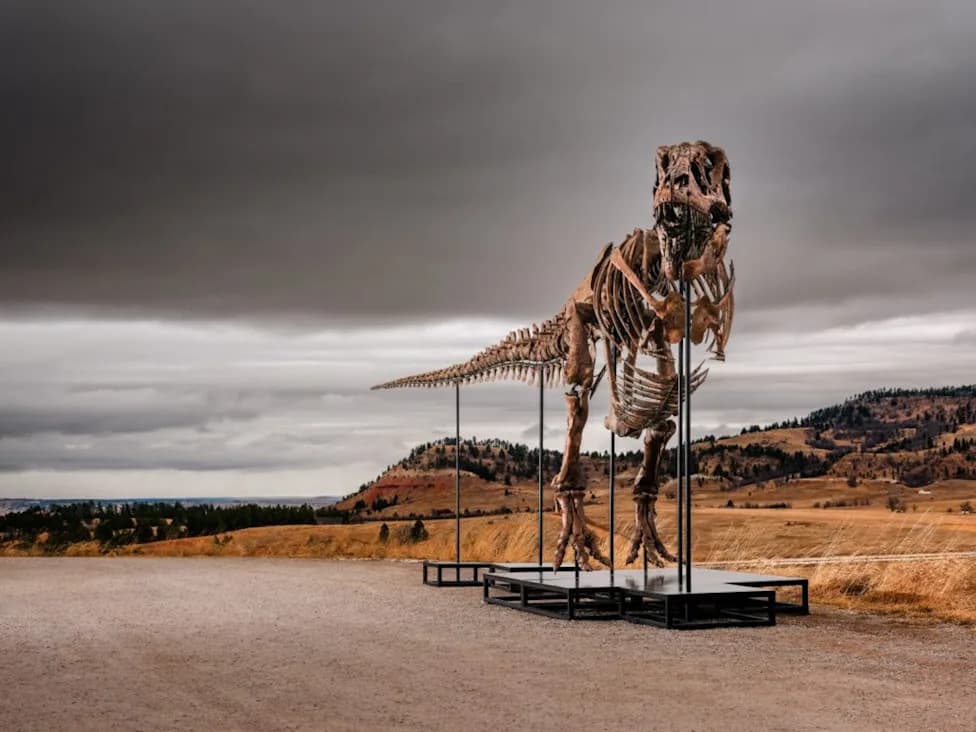
Image: Matthew Sherman, courtesy of Sotheby's.
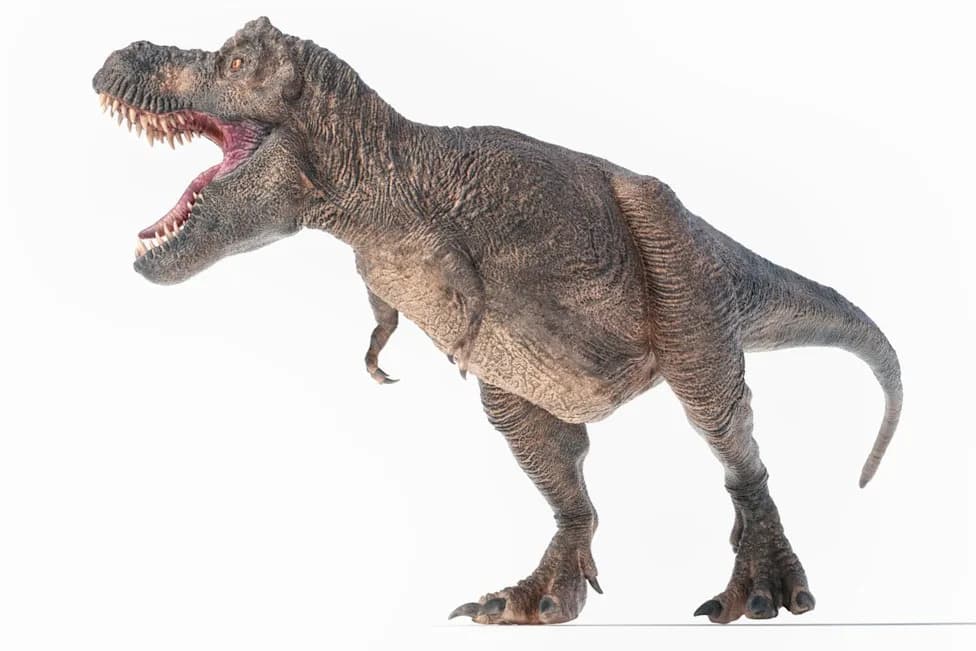
When a 67‑million‑year‑old Tyrannosaurus rex nicknamed "Gus" sold at Sotheby's for US$50.1 million, it did more than make headlines — it sent a clear market signal that reverberated all the way to the Gobi Desert. A Stegosaurus called "Apex" had previously fetched US$44.6 million. These record prices have become recruitment tools for looters and organized traffickers.
Bones of Contention: Mapping A Professionalized Trade
The Channel 4 and CNA documentary series Bones of Contention traces how this trade has professionalized, documenting networks that move specimens from Mongolia through the U.S., Singapore, the Philippines and Europe. What once was largely an academic concern has moved into broader public view.
The Three Crimes Powering The Market
The illicit fossil trade depends on three interlocking crimes: looting, laundering and fraud.
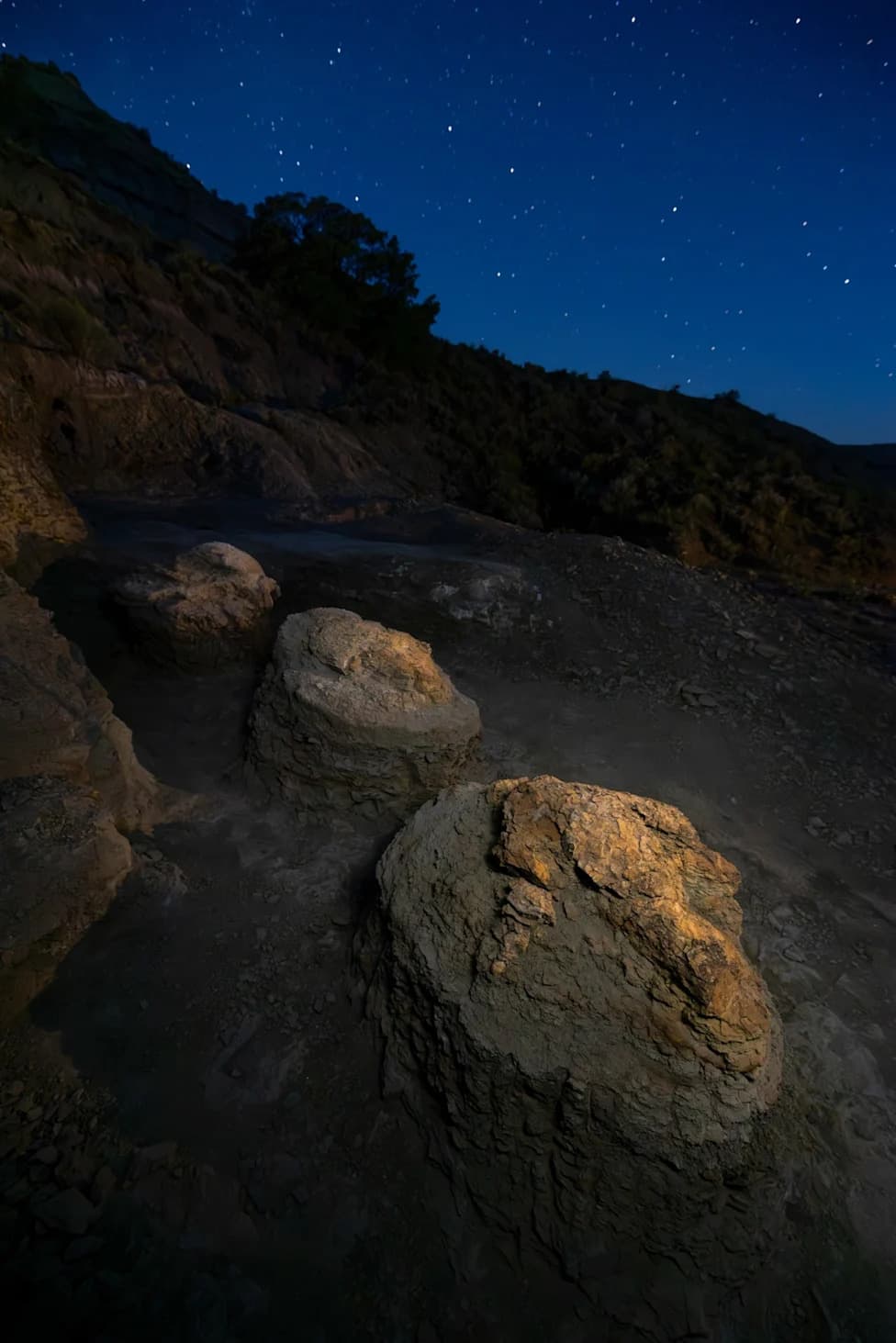
- Looting: Smugglers strip protected sites in Mongolia's Gobi Desert, destroying the sedimentary context that gives fossils their scientific meaning. That contextual information is lost the moment careless excavation disturbs the layers.
- Laundering: Specimens are removed illegally from source countries and enter destination markets through weak import controls or forged paperwork. Items are often misdeclared as replicas, construction materials, or gemstones to avoid scrutiny.
- Fraud: Dealers assemble so‑called "Franken‑fossils" — composite skeletons glued together from parts of multiple animals — to command far higher prices. These composites can fool basic visual inspection and standard provenance checks.
How Fakes Are Detected — And Why Damage Is Irreversible
Detecting composite fossils typically requires advanced tools: CT scanning, ultraviolet light inspection and chemical analysis. Academic work (e.g., Mateus et al., 2008) and investigative reporting show that visual checks alone are often insufficient for sophisticated forgeries.
“The trade is highly secretive — comparable in its opacity to narcotics markets,” paleontologist Steve Brusatte commented to reporters.
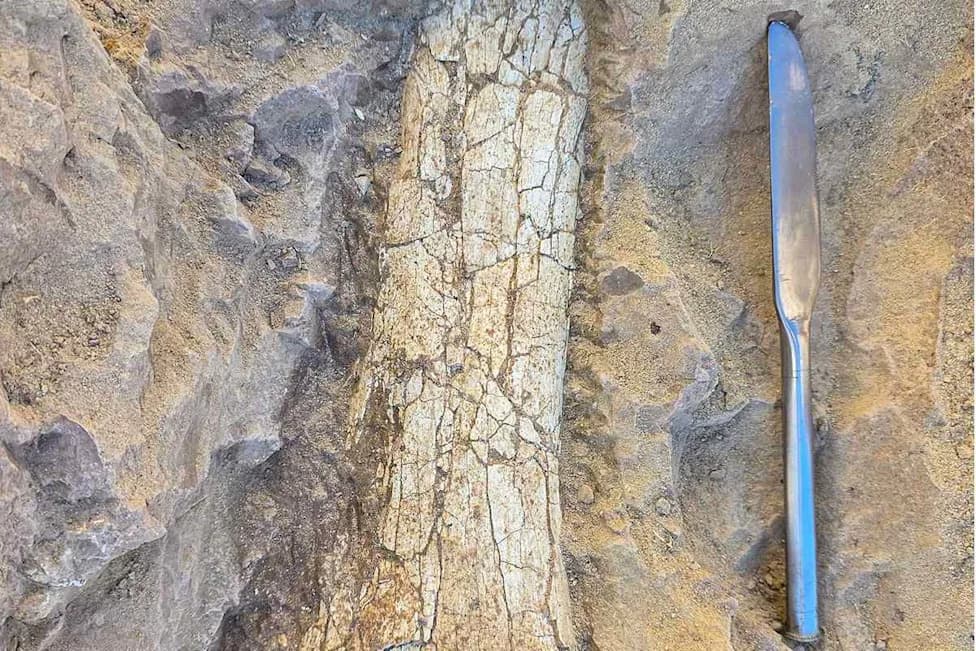
Even when CT scanners reveal a composite, the sedimentary context that records a fossil's ecological and geological story is gone forever. Scientific value cannot be restored once excavation has been careless or illicit.
Real Cases And The Paper Trail
There are documented prosecutions and confessions: Florida dealer Eric Prokopi admitted to smuggling a 70‑million‑year‑old Tyrannosaurus bataar out of Mongolia. Investigations reported by National Geographic also describe a Utah poaching ring that shipped bones to China disguised as gemstones. In many cases, broad provenance claims like "from an old private collection" are used to launder illicit specimens into legitimate markets.
Once sold, high‑value skeletons often vanish into private storage, where scientists lose access to material that could reshape understanding of evolutionary history. In short: auction house price ceilings have real ecological and scientific costs in the Gobi and other source regions.
What Needs To Change: Stronger international import controls, better provenance verification, wider use of forensic detection methods, and policies that prioritize scientific access over private trophy collecting are all part of reducing demand and protecting paleontological heritage.
Help us improve.