Zhu Rongji, aged 97, has died in Beijing. The former premier (1998–2003) is remembered for forceful reforms of state-owned enterprises, a mass shift to private urban home ownership, and guiding China into the World Trade Organization in 2001. His policies helped sustain strong growth through the 2000s, even as they produced painful layoffs and political friction. Zhu combined technocratic skill with blunt public candor and largely withdrew from public life after leaving office.
Zhu Rongji, Architect of China's Market Reforms, Dies at 97
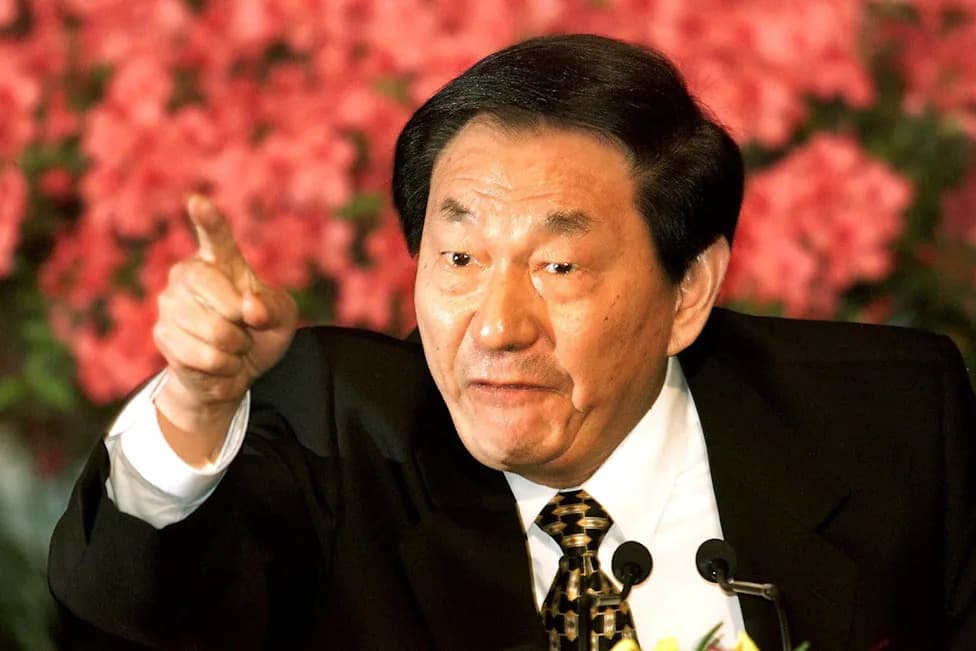
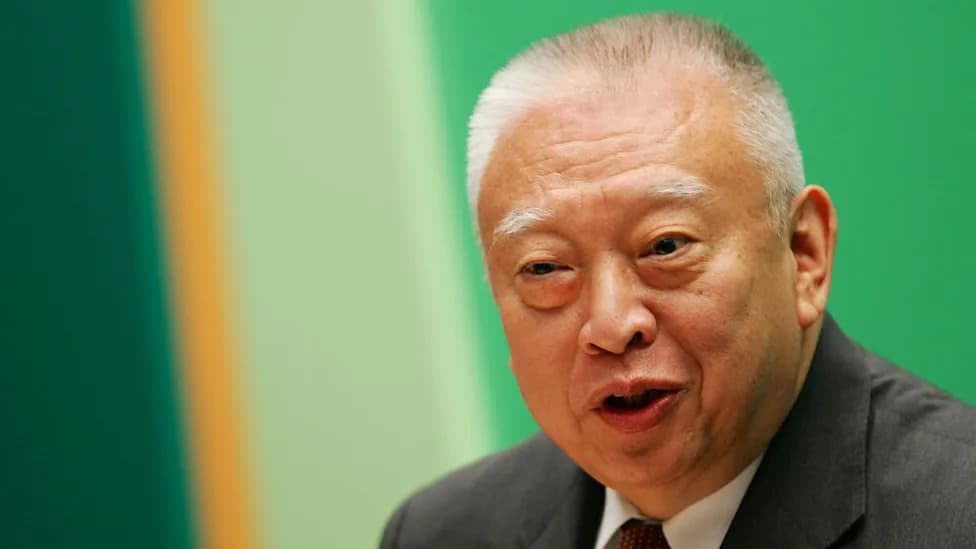
FILE - Chinese Premier Zhu Rongji speaks during a news conference in Beijing, Wednesday, March 15, 2000. (AP Photo/Greg Baker, File)(AP Photo/Greg Baker)
Former Chinese Premier Zhu Rongji, the pragmatic and blunt-talking reformer widely credited with steering China through decisive economic restructuring in the 1990s and early 2000s, has died in Beijing at age 97, state media reported. Zhu served as premier from 1998 to 2003 and remained a defining figure in China's transition toward a more market-oriented economy.
Reforms, Results and Controversy
Zhu pushed a sweeping program to make state-owned enterprises (SOEs) more efficient and profit-driven, a campaign that entailed large-scale layoffs and painful social dislocation but is widely seen as a key factor in the country’s rapid economic rise. Building on Deng Xiaoping’s 1979 opening, Zhu provided the political will and administrative skill to secure China’s accession to the World Trade Organization in 2001, a watershed that accelerated the nation’s integration into the global economy and helped make China the world’s leading exporter.
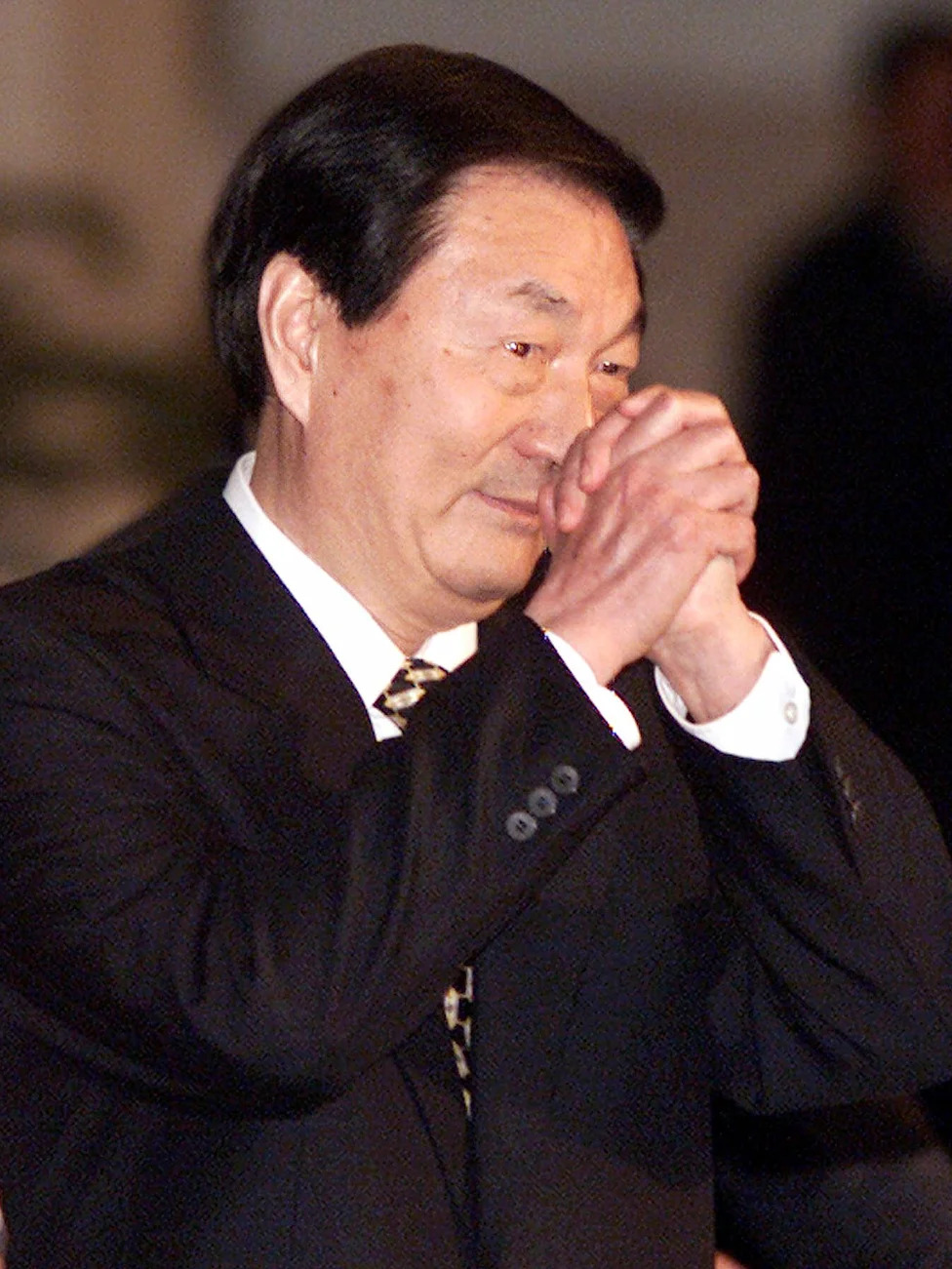
FILE - Chinese Premier Zhu Rongji greets journalists at the start of a press conference in Beijing, Wednesday March 15, 2000. (AP Photo/Greg Baker, File)(AP Photo/Greg Baker)
His policies helped sustain strong annual growth through the 2000s — remaining above 8% from 2000–2010 and peaking at about 14.2% in 2007 — and contributed to China surpassing Japan to become the world’s second-largest economy by nominal GDP around 2010.
Key Initiatives
Zhu launched a major push toward private urban home ownership in 1998 by promoting the sale of apartments previously held by state enterprises; within a decade private ownership became the norm in most Chinese cities. He also restructured banks, airlines, oil companies and other large firms into profit-oriented corporations while retaining state ownership rather than pursuing wholesale privatization.
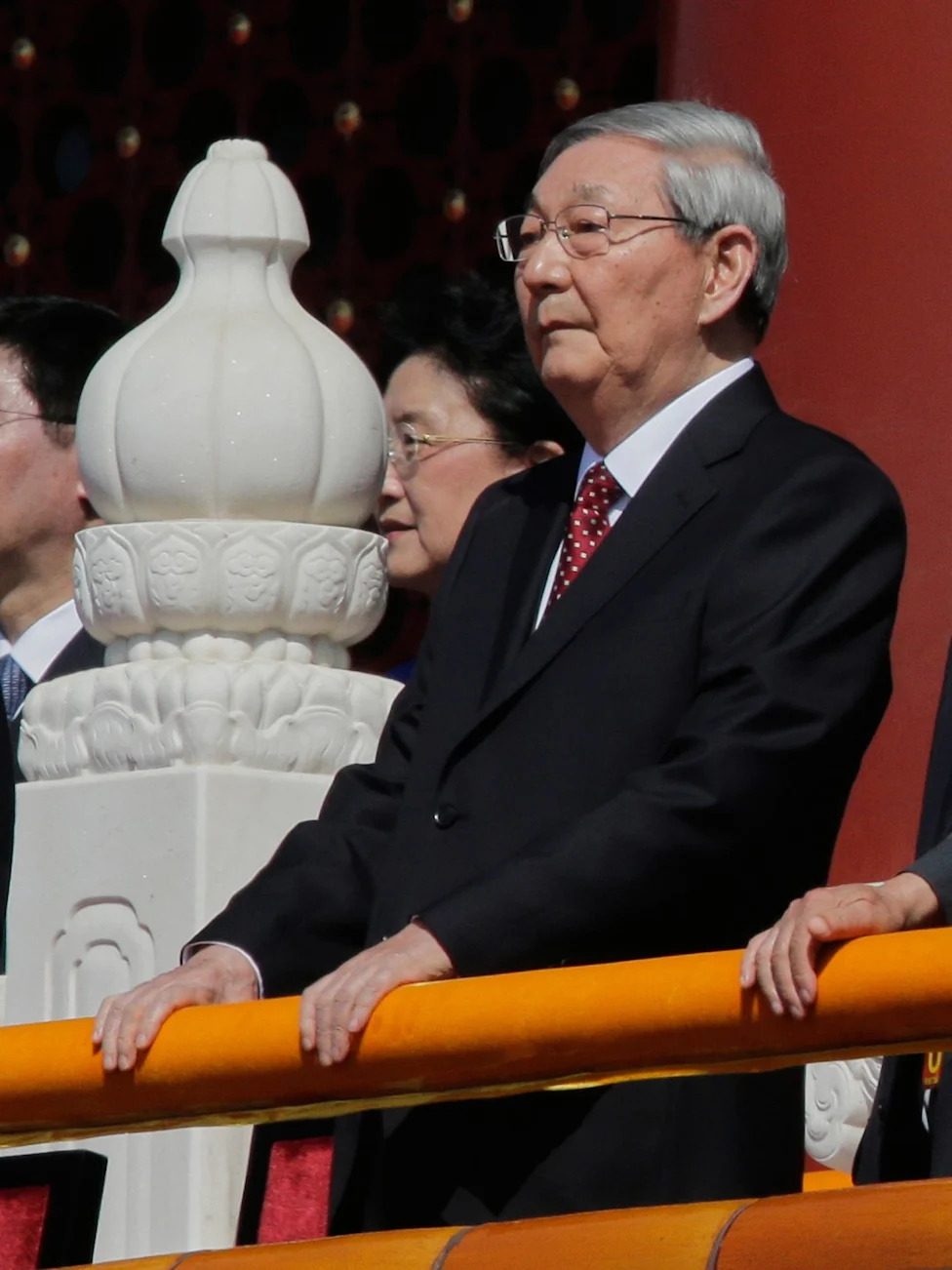
FILE - Former Chinese Premier Zhu Rongji stands during a parade commemorating the 70th anniversary of Japan's surrender during World War II held in front of Tiananmen Gate in Beijing, Thursday, Sept. 3, 2015. (AP Photo/Ng Han Guan, File)(AP Photo/Ng Han Guan)
Style, Reputation and Early Life
Known for his impatient, no-nonsense manner and sharp tongue, Zhu earned nicknames such as "Boss" and "Madman Zhu". He frequently criticized official mismanagement and corruption and was notable for publicly accepting responsibility when the government failed. In 1998 he told the party newspaper People’s Daily:
"I have prepared 100 coffins here — 99 for corrupt officials and one for myself."
Born Oct. 23, 1928, in Hunan province, Zhu paid an early price for speaking out. Labeled a "rightist" in 1957 for praising economic reforms abroad, he was sidelined for years and sent to the countryside during the Cultural Revolution. Rehabilitated after 1979, he rose through municipal and central government ranks — becoming deputy Shanghai party secretary and then mayor of Shanghai, later deputy premier in the 1990s and a member of the Politburo Standing Committee.
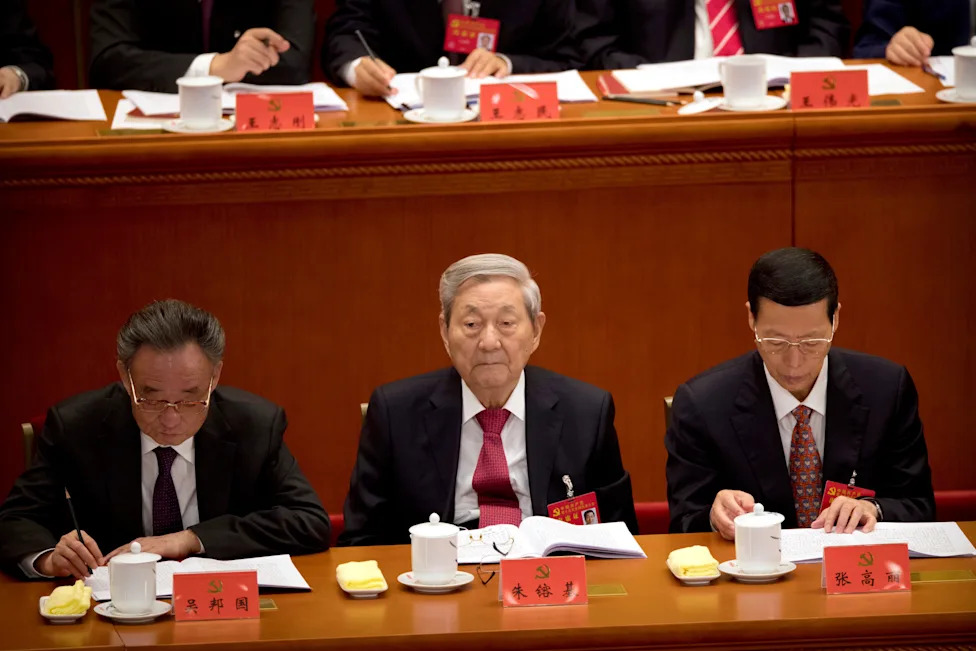
FILE - Former Chinese Premier Zhu Rongji, center, listens to a speech by Chinese President Xi Jinping during the opening session of China's 19th Party Congress at the Great Hall of the People in Beijing, Wednesday, Oct. 18, 2017. (AP Photo/Mark Schiefelbein, File)(AP Photo/Mark Schiefelbein)
Political Influence and Limits
Ranked third in the party hierarchy behind Jiang Zemin and Li Peng during his premiership, Zhu was nonetheless a technocrat without an independent political faction, a limitation that sometimes hindered enforcement of his directives. He famously reworked the fiscal system in the 1990s to transfer more revenue from local governments to Beijing, and as deputy premier had earlier helped tame inflation through tough measures.
Public Apologies and Later Years
Zhu was unusual among senior Chinese leaders for publicly acknowledging government failings. He criticized weak flood defenses in 1998 and apologized on national television following a 2001 schoolhouse explosion that killed dozens of children. After leaving office he largely withdrew from public life and made only occasional appearances.
State media reported Zhu died of an illness in Beijing at about 11 a.m. on Wednesday. He was 97.
Correction: An earlier version of some reports misidentified his age as 98; he was 97.
Help us improve.