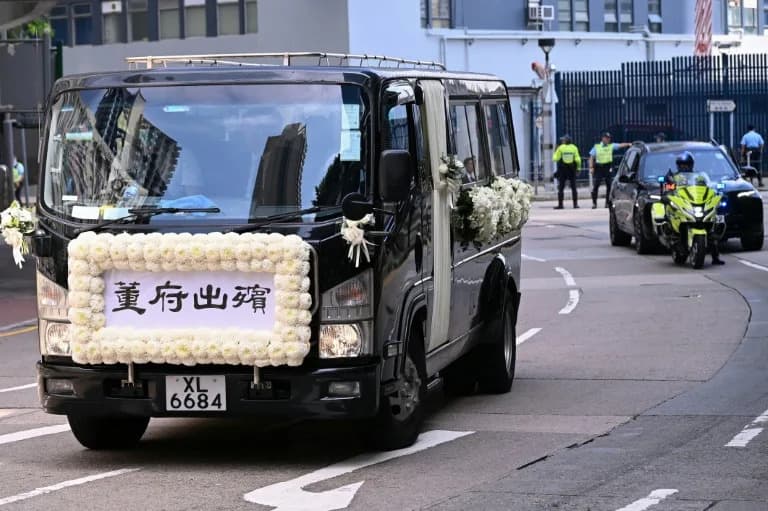
Tung Chee‑hwa, Hong Kong's first chief executive after the 1997 handover, has died at 89. His 1997–2005 administration faced the Asian Financial Crisis, major public‑health emergencies including SARS, and the mass 2003 protests against a proposed national security bill. He resigned in 2005 amid health concerns and allegations of pressure from Beijing. Tung rose from his family shipping empire after studying engineering in Liverpool and working at General Electric.
Tung Chee‑hwa, Hong Kong’s First Post‑Handover Chief Executive, Dies Aged 89
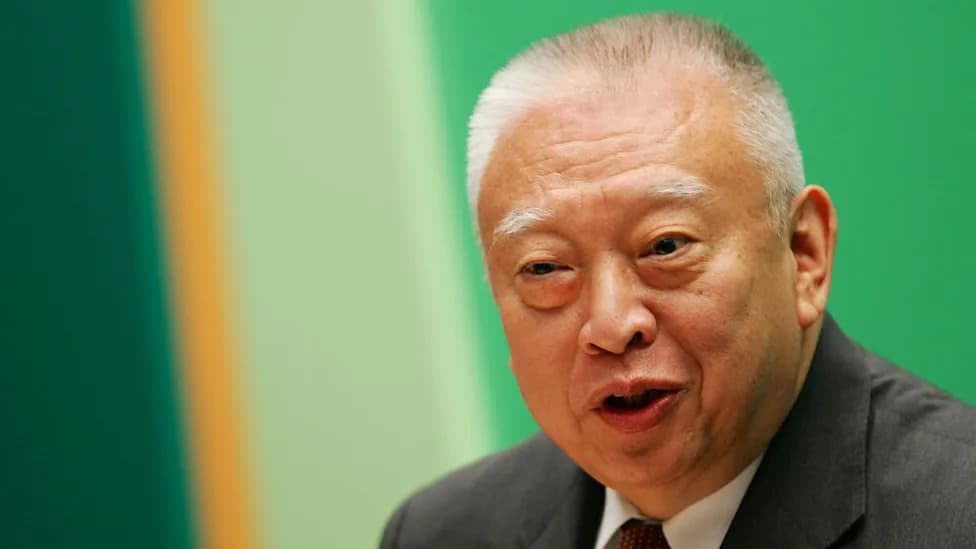
Tung Chee-hwa was the first chief executive of Hong Kong following the 1997 handover [Reuters]
Tung Chee‑hwa, the first chief executive of the Hong Kong Special Administrative Region after the 1997 handover, has died aged 89, local media reported. He served from 1997 until his resignation in 2005, a period marked by major economic and public‑health crises and intense political upheaval.
Early Life and Business Career
Born in Shanghai in 1937, Tung earned a mechanical engineering degree from the University of Liverpool and worked for nearly a decade at General Electric in the United States. He moved to Hong Kong in 1969 to join his family's shipping company, Orient Overseas, and became its leader in 1979.
Rise to Political Office
Tung entered public life in 1992 when he was appointed to the outgoing British governor's Executive Council. Although he had limited political experience, he was widely regarded as Beijing's preferred candidate to lead Hong Kong after the handover. A highly publicised handshake with then‑Chinese leader Jiang Zemin at the Great Hall of the People in January 1996 became a widely recognised symbol of Beijing's backing.
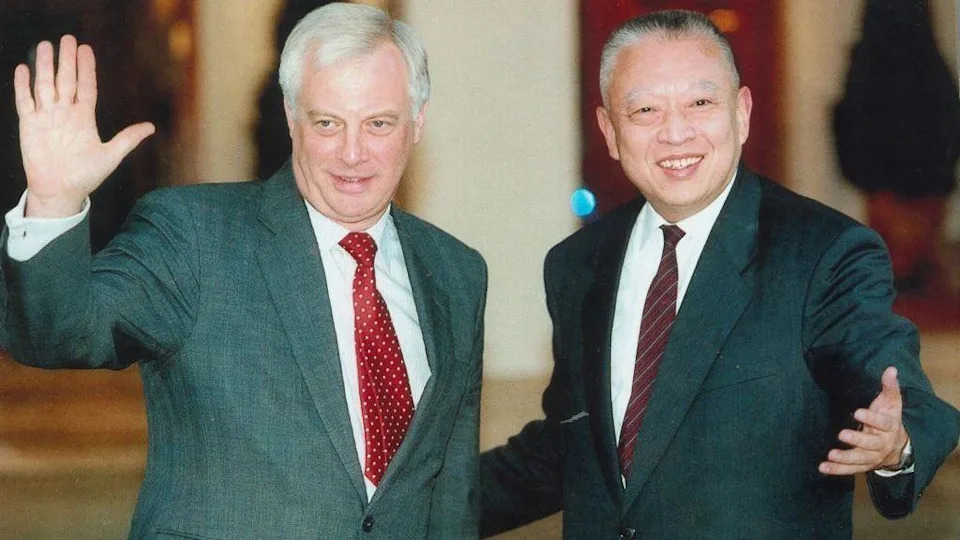
Tung Chee-hwa (right) took over from the last British governor Chris Patten in 1997 [Getty Images]
Tenure As Chief Executive (1997–2005)
Taking office in July 1997, Tung's administration quickly faced severe challenges. The Asian Financial Crisis depressed property and asset prices across the city. Public‑health emergencies included a prolonged avian influenza period from 1997 and the 2003 outbreak of SARS, which strained hospitals and public confidence.
In July 2003, roughly half a million people marched to oppose a proposed national security bill under Article 23 of the Basic Law, fearing it would erode civil liberties. The administration withdrew the bill after the mass protests, a political blow that contributed to Tung's decision to step down in March 2005. Officials cited declining health at the time, while some observers suggested he faced pressure from Beijing.
Later Years and Legacy
Tung made his last public appearance in July 2021 at an event marking the 100th anniversary of the Chinese Communist Party; reports say he underwent heart surgery months later. Beijing later imposed a national security law on Hong Kong in 2020. Authorities say the law restores stability; critics say it has curtailed freedoms and remade Hong Kong's political landscape.
His office said he was 'devoted to his country and its people' and praised his integrity.
Tung is survived by his wife and three children. He leaves a complex legacy: a businessman‑turned‑politician who presided over Hong Kong during some of its most turbulent post‑handover years.
Help us improve.