Florida's focus on Burmese pythons masks a larger invasive-species crisis that includes tegus, green iguanas, lionfish, feral hogs and cane toads. The 2026 Python Challenge removed 280 pythons, with Tom Rahill taking 96 and a separate January capture documenting a 202-pound, nearly 17-foot female — the state's second-heaviest. Invasive animals disrupt ecosystems and damage infrastructure; officials rely on removals, watch lists like the "Dirty Dozen," improved monitoring and public reporting to reduce harm.
Florida’s Invasive-Species Crisis: Why Pythons Are Only Part Of The Problem
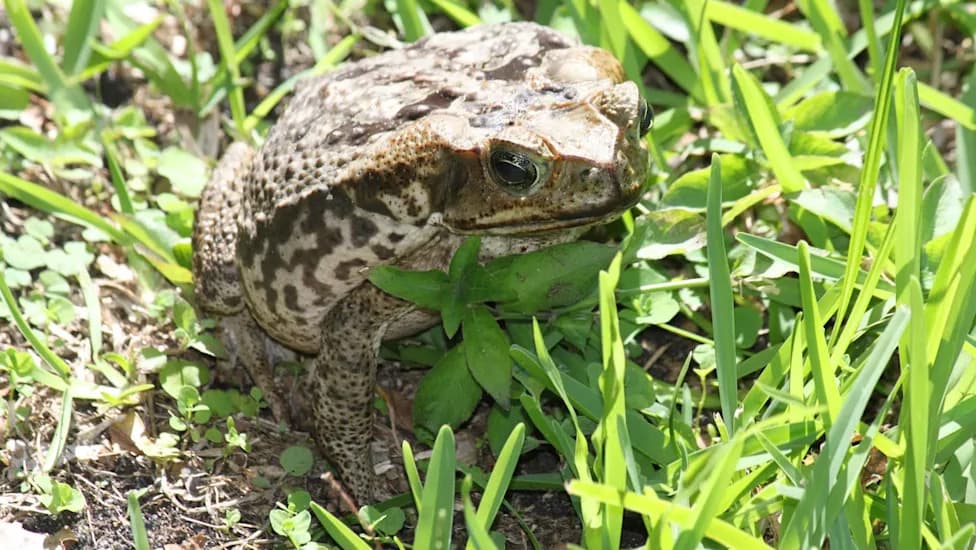
Photo Credit: iStock
Florida's annual python hunts draw headlines, but Burmese pythons are only one element of a much broader invasive-species crisis that threatens the state's wildlife, infrastructure, pets and agriculture.
Recent Removals Highlight A Continuing Problem
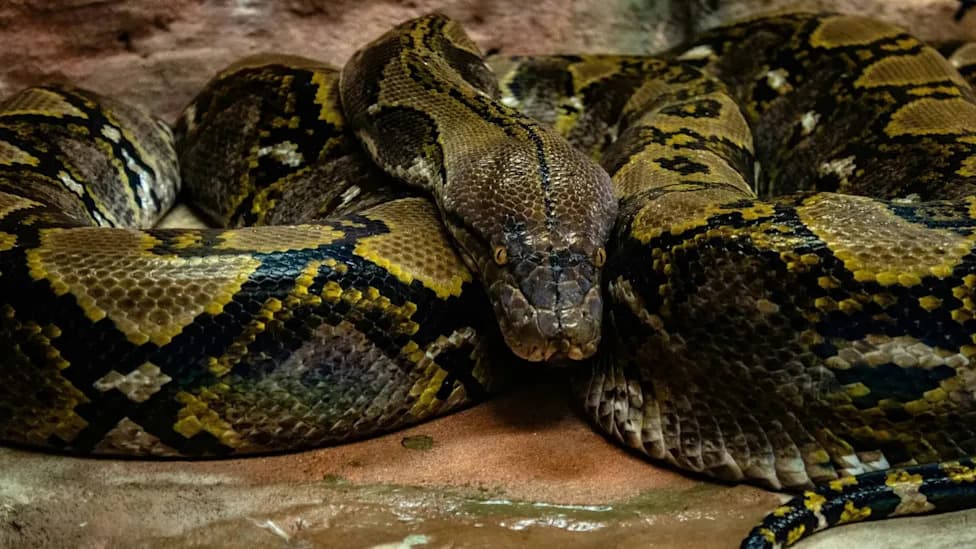
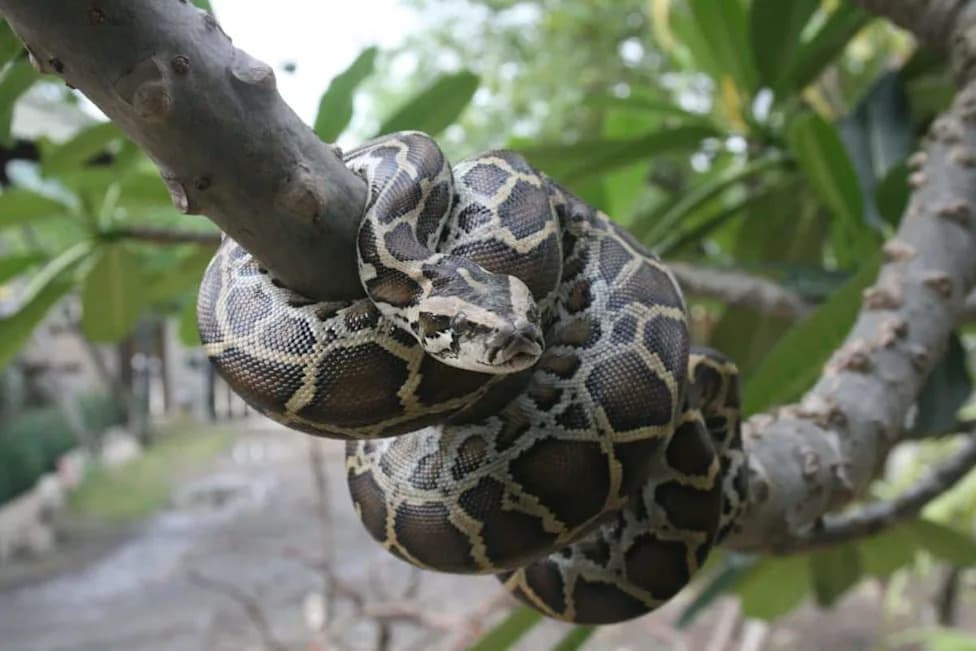
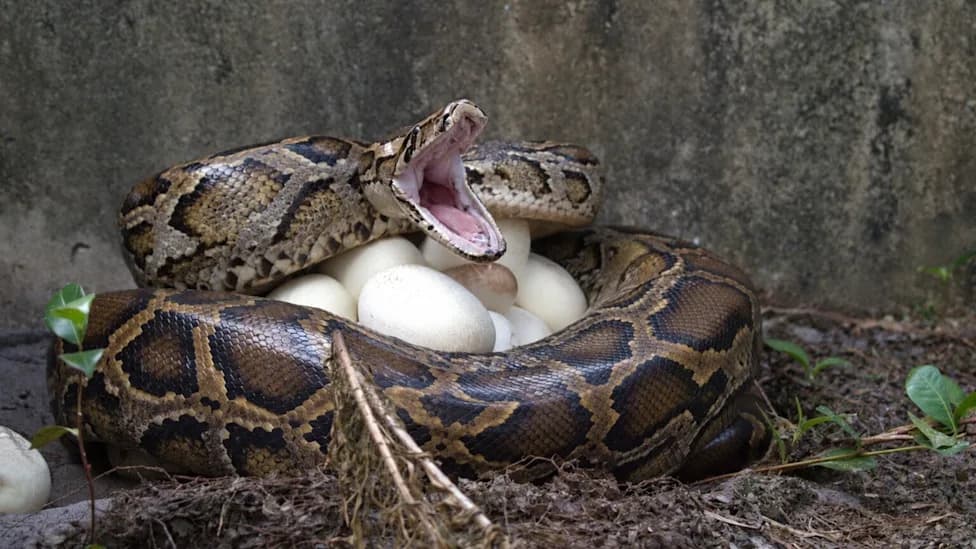
At the 2026, 10-day Florida Python Challenge, 907 participants removed 280 Burmese pythons from the Everglades. Veteran hunter Tom Rahill captured 96 of those snakes, taking the event's top prize. In a separate January removal, contracted hunter Carl Jackson and his family pulled a female python from Big Cypress National Preserve weighing 202 pounds and measuring nearly 17 feet — the second-heaviest python documented in Florida.
Why Florida Is Vulnerable
Burmese pythons established themselves after large-scale exotic pet imports in the 1970s and 1980s, along with accidental escapes, deliberate releases and damage to a python breeding facility believed destroyed in a 1992 hurricane. Florida's warm wetlands, abundant prey and lack of natural predators created ideal conditions for these snakes to thrive and reproduce.
Many Other Invaders Are Now Established
Those same favorable conditions have helped other non-native animals gain a foothold. Established invasive species in Florida now include:
- Argentine black-and-white tegus — raid nests and consume eggs, threatening species such as gopher tortoises and burrowing owls;
- Green iguanas — burrow around canals, seawalls, levees and sidewalks, worsening infrastructure problems in developed areas;
- Pacific lionfish — displace native reef fish in coastal waters and damage reef ecosystems;
- Feral hogs — gouge wetlands, forests and cropland, causing costly damage for farmers and land managers;
- Cane toads — poisonous to pets that bite them.
Ecological And Economic Impacts
When invasive animals become established, they can disrupt food webs, reduce biodiversity and make landscapes less resilient. They also produce direct economic costs by damaging crops, infrastructure and property and by increasing management and restoration expenses for public and private landowners.
What Florida Is Doing
State and federal agencies use a mix of strategies to limit harm: targeted removal programs like the Python Challenge, contracted hunters working in sensitive preserves such as the Everglades and Big Cypress, watch lists that highlight the most damaging species (including the "Dirty Dozen," which was updated to include green iguanas in early 2026), improved monitoring and public outreach to prevent pet releases.
How The Public Can Help
Officials urge people not to release exotic pets and to report sightings of invasive species through state wildlife channels. While hunting and removals alone cannot eradicate every invader, sustained removal efforts, better monitoring and responsible pet ownership can reduce damage and give native wildlife a better chance to recover.
Bottom line: Pythons attract attention, but meaningful progress requires comprehensive action against a diverse set of invasive species.
Help us improve.