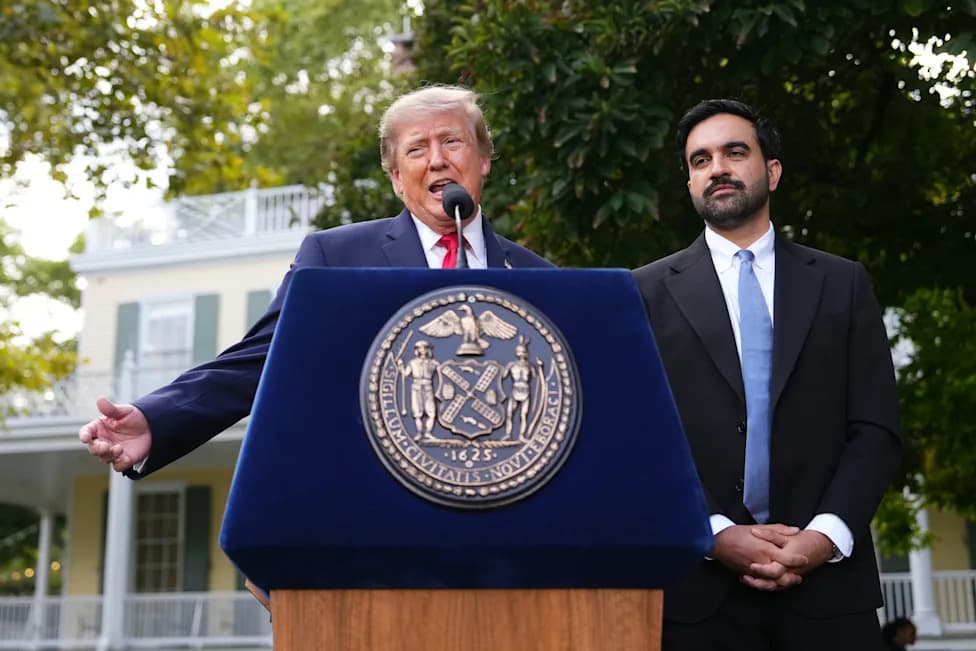
Former President Donald Trump has publicly opposed New York City's pied-à-terre tax and signaled he may seek federal legal options to block it after a Staten Island judge temporarily enjoined the policy. Mayor Zohran Mamdani defended the surcharge — aimed at second homes valued at $1 million or more, with steeper rates for pricier units — saying it will fund safer streets and stronger schools. Revenue estimates range from about $340 million to $500 million, and the city has moved to appeal the judge's ruling while a separate lawsuit challenges the distribution of a homeowner list.
Trump Signals Federal Fight Over NYC Pied-à-Terre Tax as Legal Battle Begins
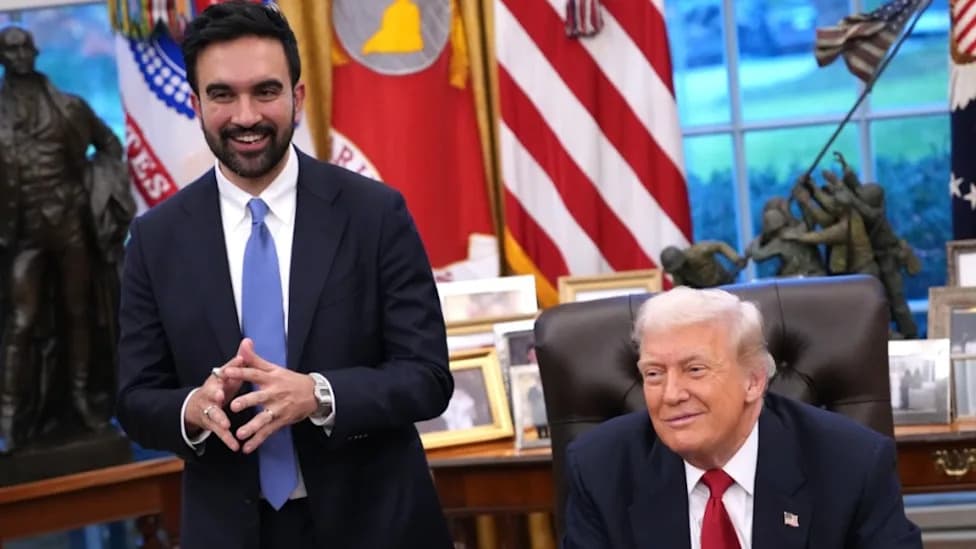
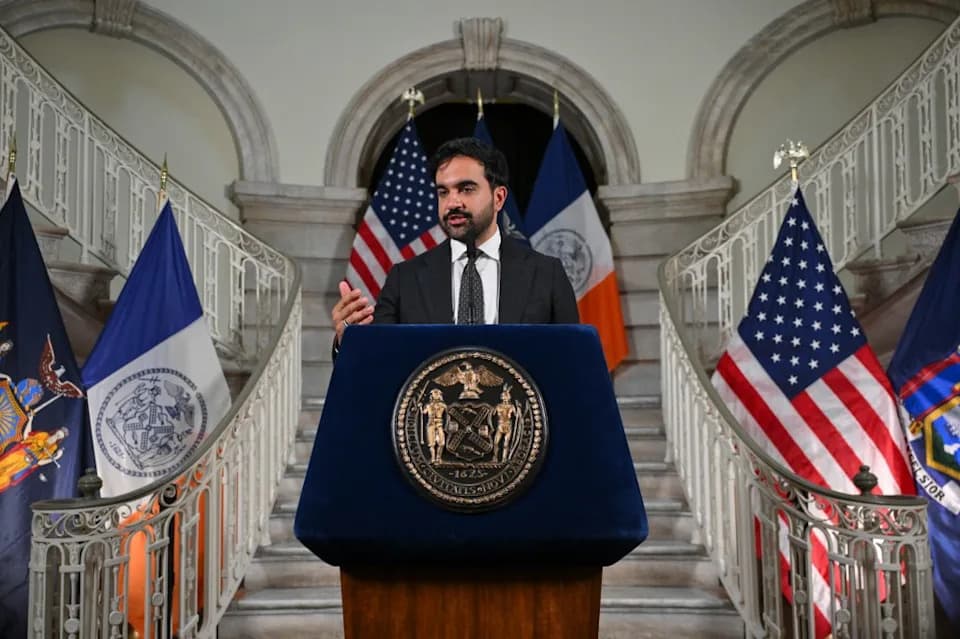
Photo by Andrew Harnik/Getty Images
Former President Donald Trump has publicly criticized New York City's newly approved pied-à-terre tax and said he is exploring whether the federal government could legally intervene to block the measure.
Posting on Truth Social, Trump called the levy on nonprimary residences a "dangerous political 'experiment'" and urged that it "must be stopped, NOW!" His comments came one day after a Staten Island judge issued a temporary injunction halting the policy.
Legal Status And Immediate Next Steps
Judge Wayne Ozzi temporarily barred the city from taking further action tied to a homeowner list that is central to implementing the surcharge. City officials moved quickly to file a motion seeking permission to appeal the order, and an attorney for Mayor Zohran Mamdani has asked the court for leave to pursue that appeal.
What The Tax Would Do
The proposal — approved by Mayor Mamdani and the New York State Legislature in late May — would raise taxes on second homes valued at $1 million or more, with progressively higher surcharges on more expensive units, including multi-million dollar properties. Mamdani has said parts of the surcharge targeting the priciest units (including those above $5 million) will help fund "safer streets" and "stronger schools." Initial revenue projections vary: Mamdani projected roughly $500 million annually, while NYC Comptroller Mark Levine later estimated a realistic yield between $340 million and $380 million.
Political Reaction And Economic Concerns
Trump and other critics argue the levy could prompt wealthy residents and businesses to leave New York for more tax-friendly jurisdictions; Citadel CEO Ken Griffin previously warned he might relocate his firm to Miami after the tax was unveiled. Mayor Mamdani and supporters counter that the surcharge targets nonprimary luxury units and is intended to raise revenue for essential city services.
What Happens Next: The dispute is likely to play out in both the courts and the political arena as the city seeks to overturn the temporary injunction and opponents press their legal challenge.
Originally reported by Vritti Johar on Mandatory.com; this version consolidates legal and political developments as the story evolves.
Help us improve.