Communities across Kentucky are resisting proposed AI-focused data centers amid fears the facilities would drive up household electricity bills. In Hancock County, a proposed TeraWulf campus tied to a 20-year Anthropic agreement would pull nearly 500 MW and promises jobs and tax revenue, but residents worry bills could exceed $1,000 monthly. Regulators, utilities and the governor have taken steps to limit ratepayer exposure while the Public Service Commission reviews the contracts.
Kentucky Residents Warn AI Data Center Could Push Monthly Power Bills Past $1,000
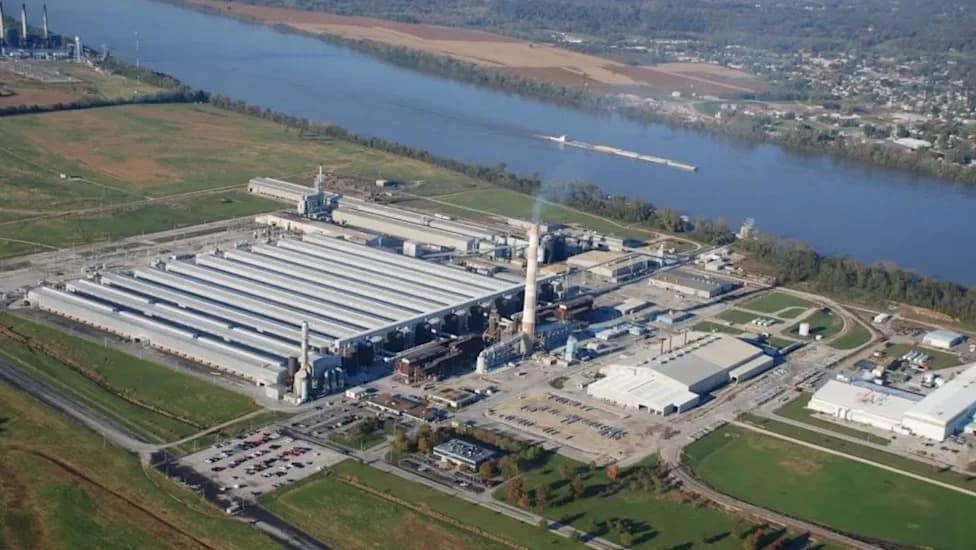
Photo Credit: Terawulf
Communities across Kentucky are pushing back against a wave of proposed AI-focused data centers, warning that the facilities could dramatically raise household electricity costs and strain local infrastructure.
Hancock County Hearing
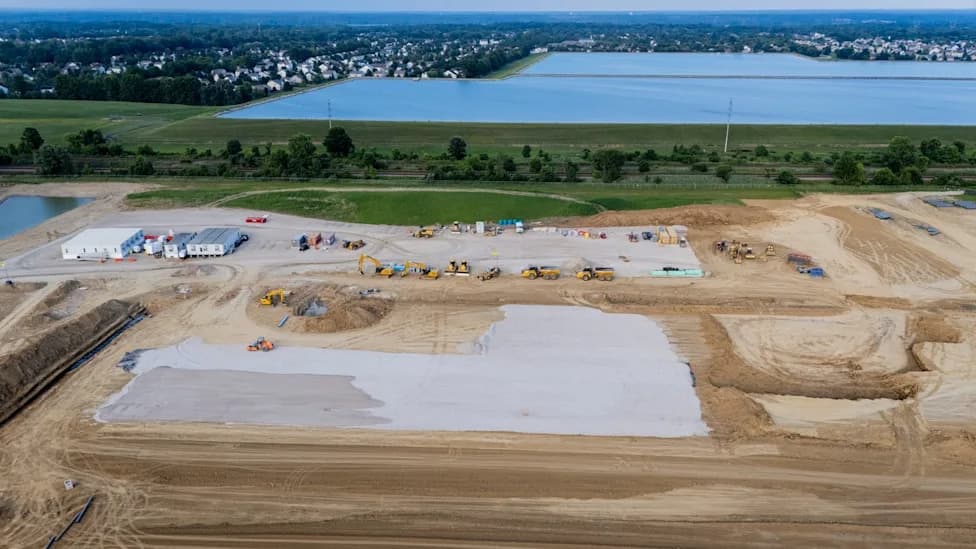
In July the Kentucky Public Service Commission held a public hearing at Hancock County High School in Hawesville — a small Ohio River town east of Owensboro — to take comments on a proposed TeraWulf campus. More than a dozen residents spoke at the meeting, and none supported the project.
Project Details
Maryland-based TeraWulf plans to build the Justified Data Campus on the site of a closed aluminum smelter. The company announced a 20-year tenant agreement in July with AI developer Anthropic. The proposal would draw nearly 500 megawatts from the regional grid, and developers estimate the campus would create about 100 jobs and generate millions in school tax revenue.
Residents' Concerns
For many locals the economic promises are overshadowed by distrust of the process, concerns about undisclosed deals and, most urgently, the prospect of sharply higher electric bills. Residential customers of Kenergy, the local utility tied to the project, faced average bills of more than $260 in July — roughly 39% higher than July 2021, according to Heatmap data cited by WEKU.
"None of us want this. We weren't even able to know what was happening before the land was sold," said Jacob Hodge of Lewisport during the hearing.
"I can't afford a $1,000, $1,100, $1,200 electric bill," said Gary Elder, a 69-year-old retiree from Lewisport.
Experts and Utilities
TeraWulf has promoted Kentucky as attractive for large-scale data center investment. In an Aug. 5 investor presentation, Chairman and CEO Paul Prager cited the state's "power infrastructure, business environment and the constructive engagement we have seen from state, utility and local stakeholders." TeraWulf also announced a separate Muskie Data Campus near Ashland in May and has suggested it may double that site's planned capacity from 1 GW to 2 GW.
Developers and some utility officials say Kentucky ratepayers will not be asked to subsidize the facility's electricity. Still, skeptics warn data centers of this scale typically require substantial new investment in generation and transmission, which can lead to higher rates for residents. "I think generally data centers will cause higher rates," said Jamie Van Nostrand, policy director for The Future of Heat Initiative and former head of the Massachusetts Department of Public Utilities.
Kenergy spokeswoman Leslie Barr said co-ops oppose using electric rates to subsidize data centers and prefer contracts that can help stabilize rates.
Regulatory Steps and Protections
Utilities and state officials say they are trying to prevent residents from bearing the costs of rapid AI-related expansion. WEKU reported that Big Rivers Cooperative signed President Donald Trump's Ratepayer Protection Pledge, intended to bar households from paying for power plants and transmission built to serve data centers. The pledge is voluntary and not legally binding.
Because the Public Service Commission must approve or reject the TeraWulf agreement with Big Rivers and Kenergy, Kentucky regulators have formal authority to weigh how costs are allocated. On Aug. 6, Gov. Andy Beshear signed an executive order intended to ensure data centers — not residential customers — absorb added electricity costs. Lawmakers could also write protections into state law; a House-passed bill on the issue stalled in the Senate.
What Comes Next
Local governments retain land-use tools: city councils and fiscal courts can approve or deny zoning changes, impose conditions, or adopt moratoriums while communities negotiate terms. As the Public Service Commission reviews contracts and state leaders consider legal protections, residents and officials continue to debate whether the projected economic benefits outweigh potential long-term costs for households and local infrastructure.
Help us improve.