UNESCO says about 2.4 million Afghan girls have been blocked from secondary education since the Taliban returned in 2021, an increase of 200,000 in one year. The agency warned the number could reach nearly four million by 2030 if the ban persists and called the measures discriminatory. It highlighted a wider education crisis — low literacy, infrastructure shortfalls and rising displacement — and estimated the economic cost at $9.6 billion by 2066.
UNESCO: 2.4 Million Afghan Girls Blocked From Secondary Schooling Since 2021 — Rights, Costs and a Growing Crisis
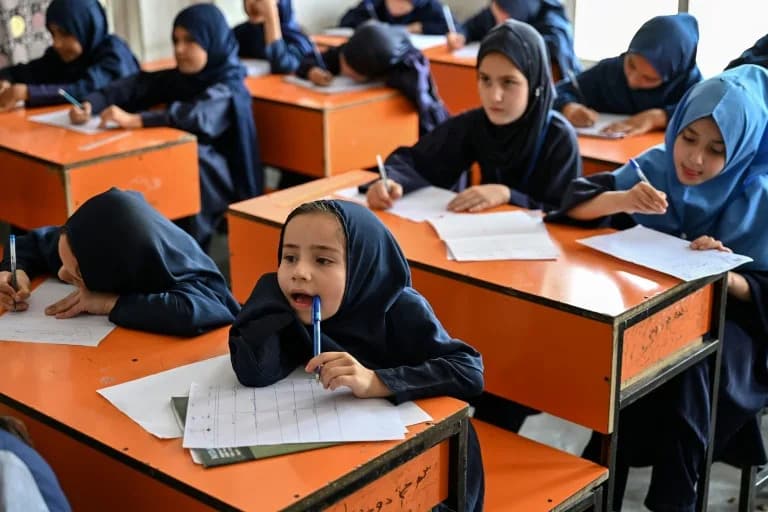
Taliban authorities banned girls from secondary schools in March 2022 (STR)
UNESCO reports that roughly 2.4 million girls in Afghanistan have been denied access to secondary education since the Taliban regained power in 2021, calling the measures discriminatory and urging their immediate reversal.
Key Findings
The UN cultural and education agency says the number of excluded girls rose by 200,000 in the past year and could approach 4 million by 2030 if the ban continues. Girls were barred from secondary schools in March 2022, and universities later closed to women the same year.
UNESCO has condemned the cumulative restrictions on women and girls as "gender apartheid" and called for the full restoration of their right to education.
Wider Humanitarian and Economic Impact
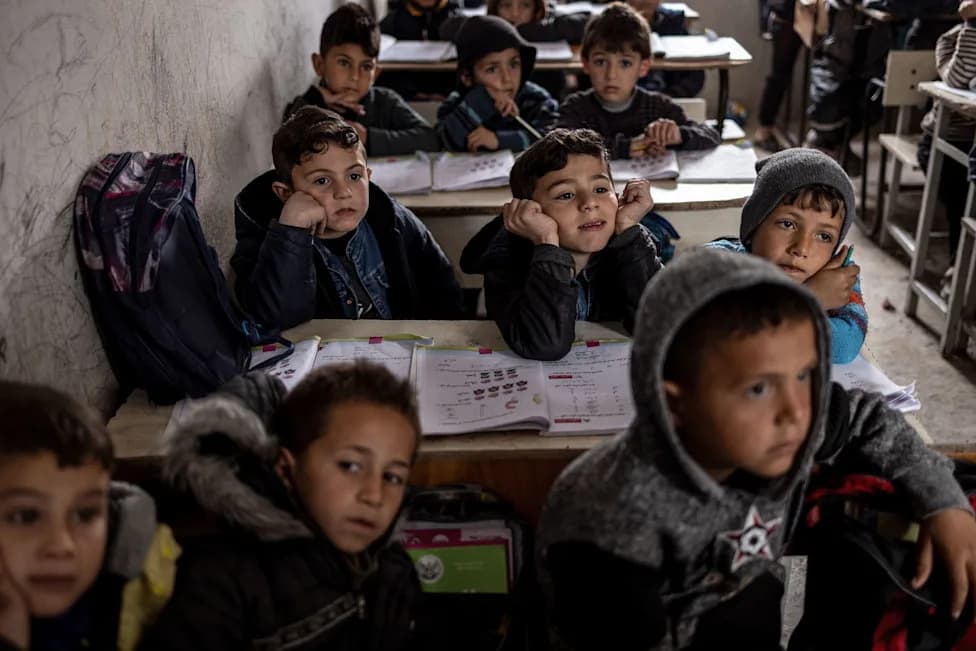
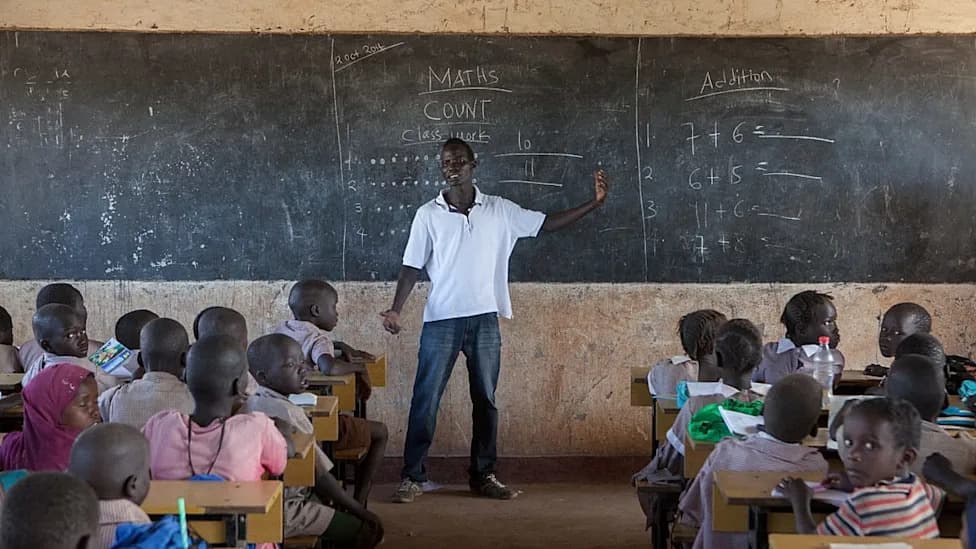
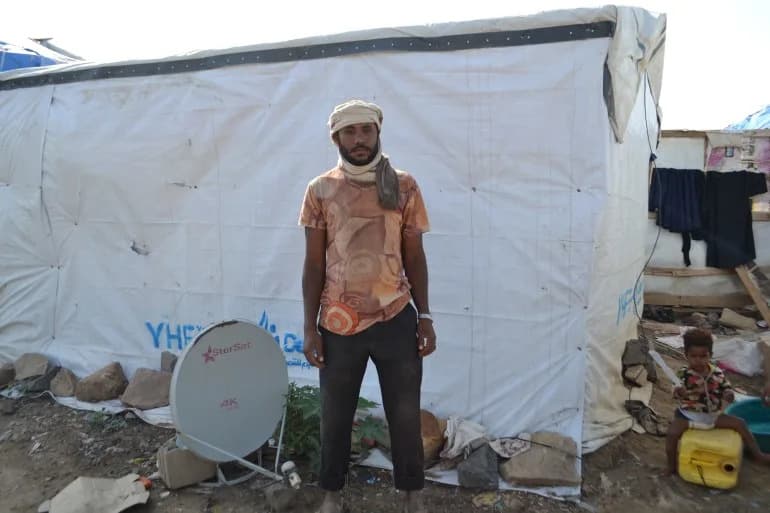
A broader education crisis is unfolding: more than half of primary-school-age children are out of school, and UNESCO estimates that over 90% of 10-year-olds cannot read a simple text. Shortages of drinking water, sanitation and heating in schools — together with repeated natural disasters and the return of more than seven million Afghans since 2023 — have compounded the problem.
UNESCO also warned of a significant economic price: restricting education and work opportunities for women and girls could cost Afghanistan approximately $9.6 billion by 2066, undermining long-term recovery and development.
"Afghan girls and women have the right to learn, that's a basic human right," said Hoda Jaberian, UNESCO's programme coordinator for education in emergencies. "They have the right to work. They should have the freedom of movement."
Context
The Taliban administration — recognised only by Russia — has implemented sweeping curbs on women's public life, including bans on universities, public parks, gyms and beauty salons. UNESCO warned these policies are reversing nearly two decades of progress in girls' education: by 2021 close to one million girls were enrolled in secondary school, a level far above the situation in 2001.
The UN agency urged international attention and immediate policy changes to restore educational access and to address urgent infrastructure and humanitarian needs across the country.
Help us improve.