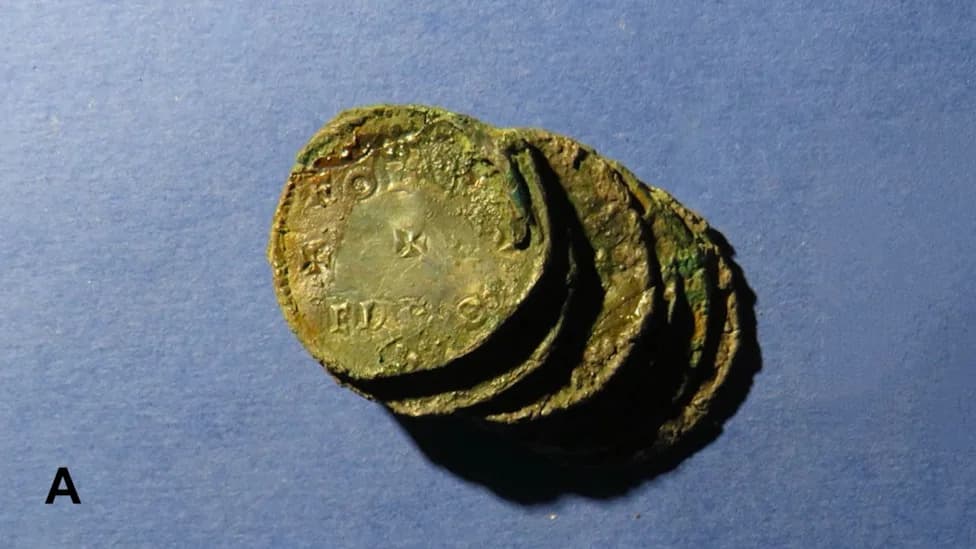
A newly identified excerpt of a lost letter from Pope Alexander II, recovered from medieval canon law material in the Vatican, suggests Rome's internal papal schism helped shape the Norman invasion of England in 1066. The letter implies that England's alignment in that dispute may have encouraged Alexander II to endorse William's campaign, lending it a veneer of legitimacy. Historians say this reframes the conquest as part of a broader contest over the Church's future, not solely a dynastic crisis.
Lost Papal Letter Recasts the Battle of Hastings — Rome’s Schism May Have Shaped 1066
Lost letter from pope could rewrite story of the 1066 Battle of Hastings
A newly identified excerpt from a lost letter by Pope Alexander II, found among medieval canon law material in the Vatican archives, sheds fresh light on the events that led to the Norman invasion of England in 1066.
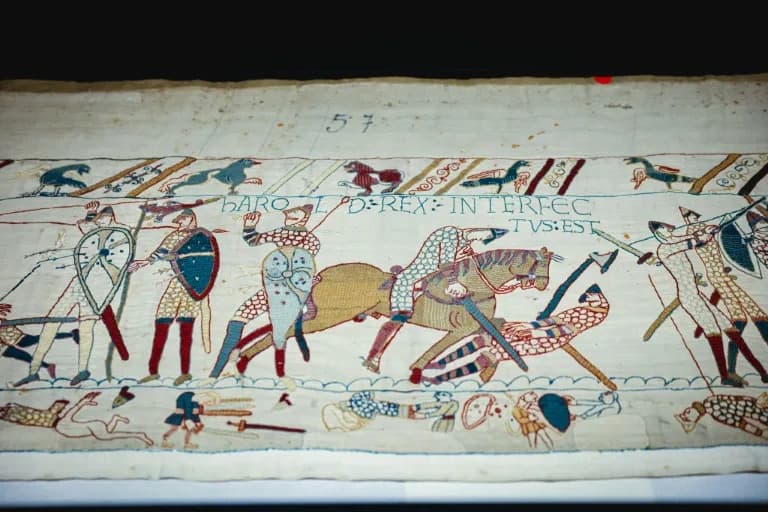
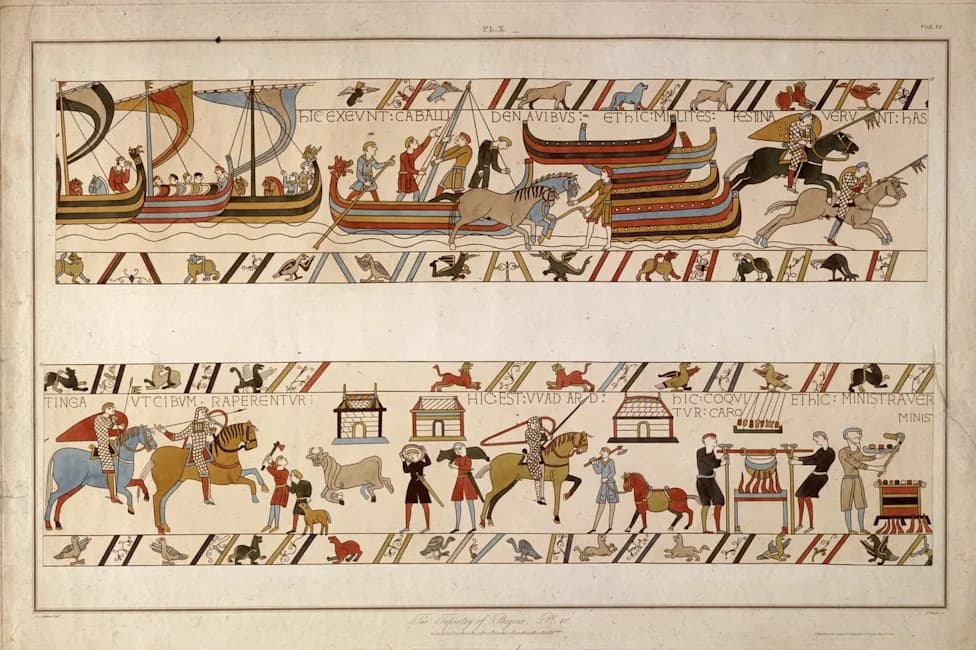
William, Duke of Normandy, defeated King Harold Godwinson at the Battle of Hastings in 1066. The episode is vividly depicted on the 230ft Bayeux Tapestry, which is due to go on display at the British Museum in London.
The newly studied papal passage suggests that the contest for England's crown did not unfold in isolation: a bitter papal rivalry in Rome during the early 1060s may have helped shape international reactions and provided a form of political and moral legitimacy for William's expedition.
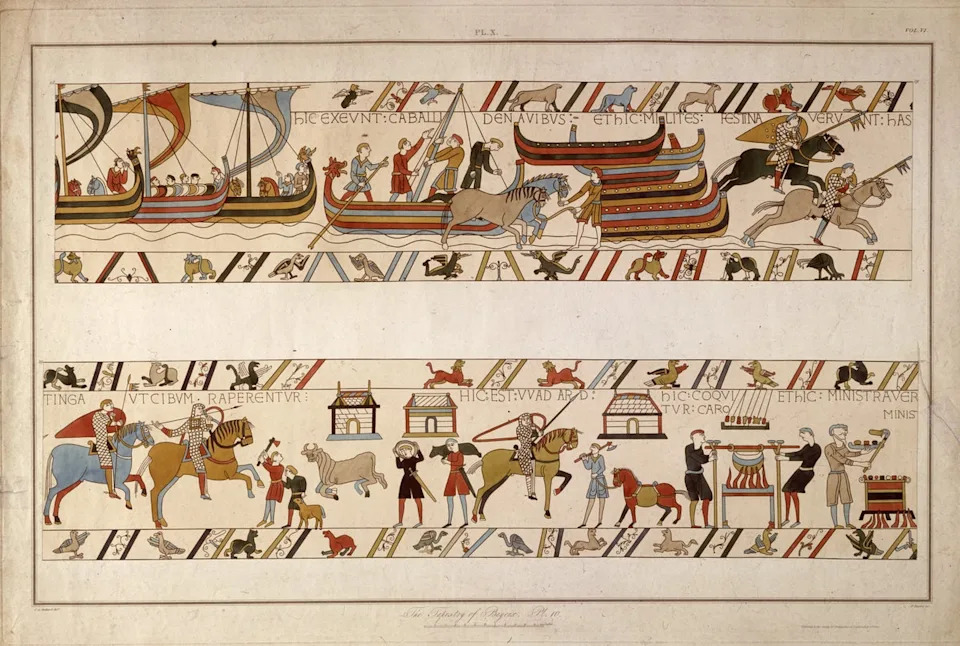
The Bayeux Tapestry shows the Norman army crossing the channel (Getty)
What the Letter Says
Researchers re-examined two surviving excerpts of a larger register of papal correspondence that is otherwise lost. In the preserved passages, Alexander II accuses those opposing him of leading the English away from the protection of St Peter and from 'the path of truth', describing them with the kind of polemical language used at the time against his rival faction.
“1066 was not simply decided on the battlefield at Hastings. The outcome may also have been shaped by decisions taken almost a thousand miles away in Rome,” said Tom Licence, professor of medieval history and literature at the University of East Anglia. “Harold's policy on the papacy may ultimately have played into the hands of his enemies, giving William's opportunistic invasion the legitimacy of a just war.”
Context: A Papal Schism
In 1061 rival factions elected two competing popes: Alexander II and Bishop Cadalus of Parma, who took the name Honorius II. For several years the two papal camps and their supporters vied for control of Rome. Honorius enjoyed powerful backing from the Holy Roman Empire and allies in parts of northern Europe, while Alexander's supporters attacked his opponents in both political and religious terms.
Scholars argue that the rhetorical tone of Alexander's letter fits contemporary polemics directed at Honorius and his adherents. If England was perceived as aligned with Alexander's rivals, that alignment could have encouraged Alexander II to favour William's claim—turning the invasion into, in the pope's view, a justified intervention against opponents of his papal authority.
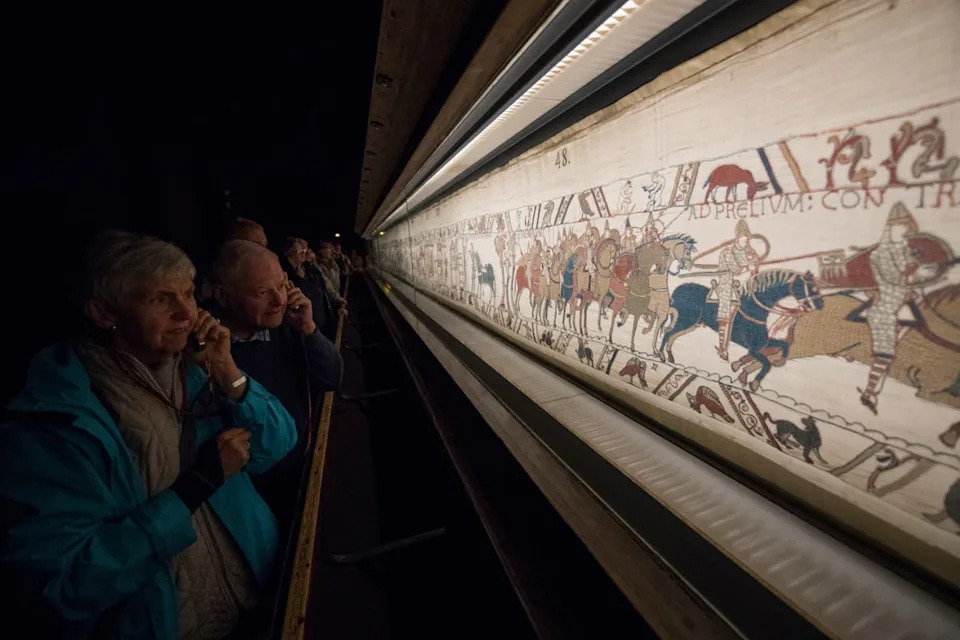
People look at the 'Bayeux Tapestry' (AFP via Getty)
This interpretation does not replace the dynastic disputes that provoked the conquest, but it does broaden the picture: the Norman invasion can also be seen as part of a wider European struggle over the future of the Church and its political alignments.
The discovery underlines how decisions taken in Rome could ripple across Europe and help reshape events on the battlefield nearly a thousand miles away.
Display Note: The Bayeux Tapestry, which illustrates the Norman campaign and its aftermath, will be shown at the British Museum, offering public context for this renewed scholarly debate.
Help us improve.