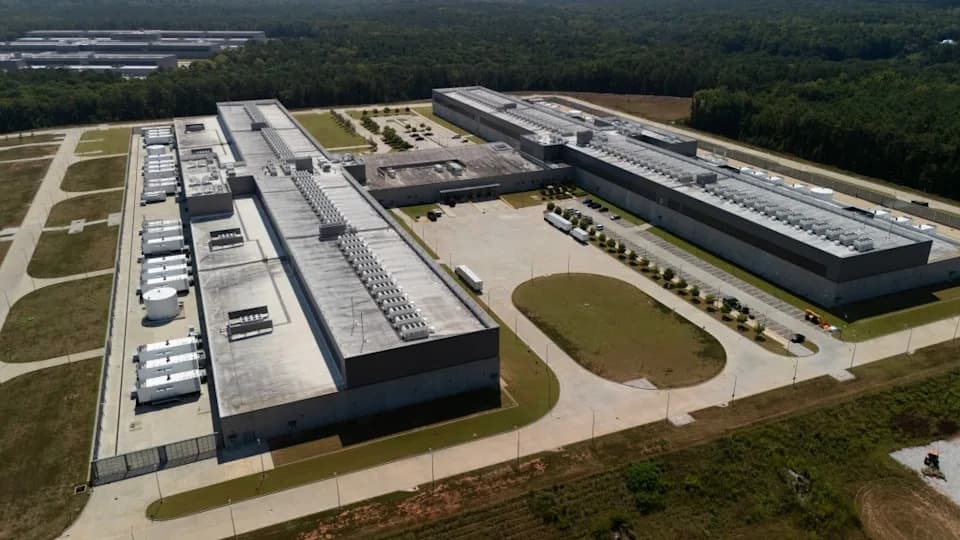
Amazon confirmed plans to back a natural-gas power plant to supply a massive AI data center in Pecos County, Texas. Permit filings indicate the facility could run 35 turbines, produce up to 7.65 GW and emit as much as 33 million tons of CO₂ per year, potentially making it the largest single power-plant CO₂ source in the U.S. Amazon says it remains committed to its 2040 Climate Pledge, but analysts and advocates warn the trend toward off-grid gas generation poses serious climate and local-health risks.
Amazon’s Texas AI Power Plant Could Emit 33 Million Tons of CO₂ a Year — Potentially the Largest U.S. Power-Plant Polluter

Credit: Getty Images
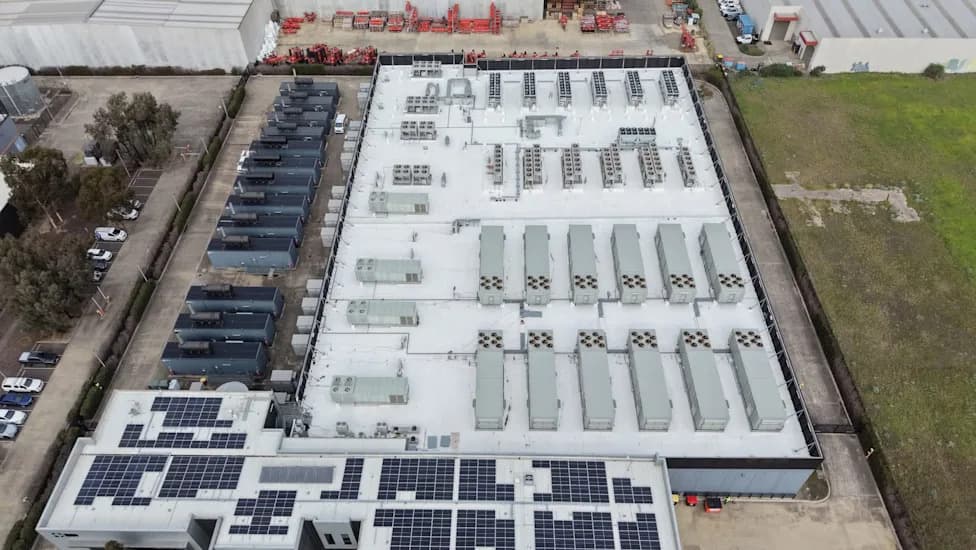
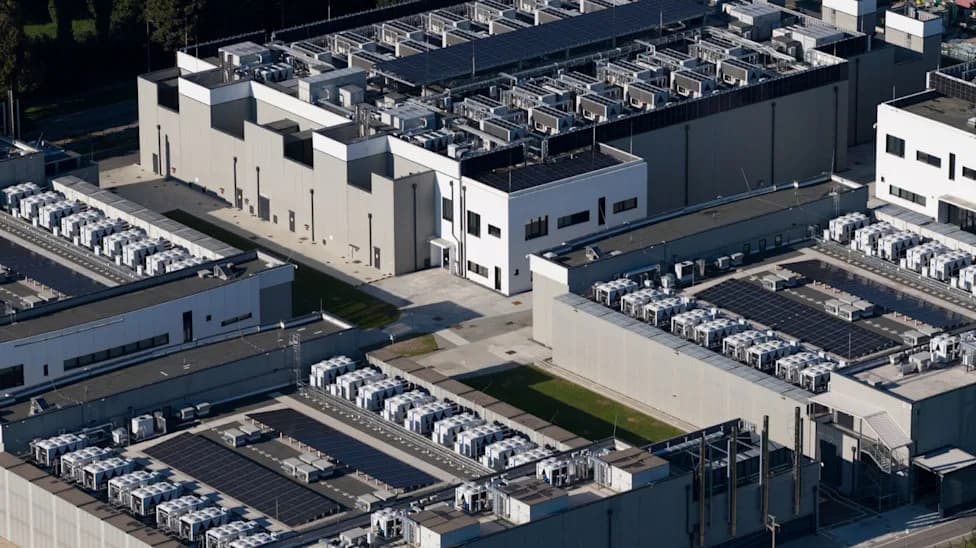
Amazon has confirmed plans to back a large natural gas power plant intended to supply electricity for a major artificial-intelligence data center in Pecos County, Texas. Regulatory filings reviewed by reporters indicate the proposed plant could run 35 natural gas turbines and deliver up to 7.65 gigawatts (GW) of on-site generation capacity.
Why The Project Matters
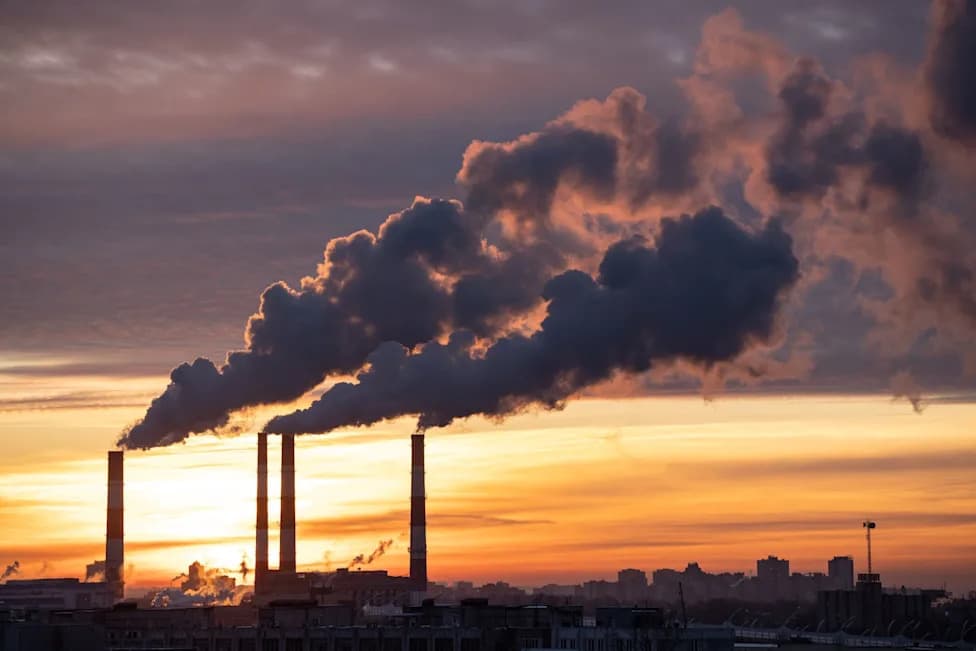
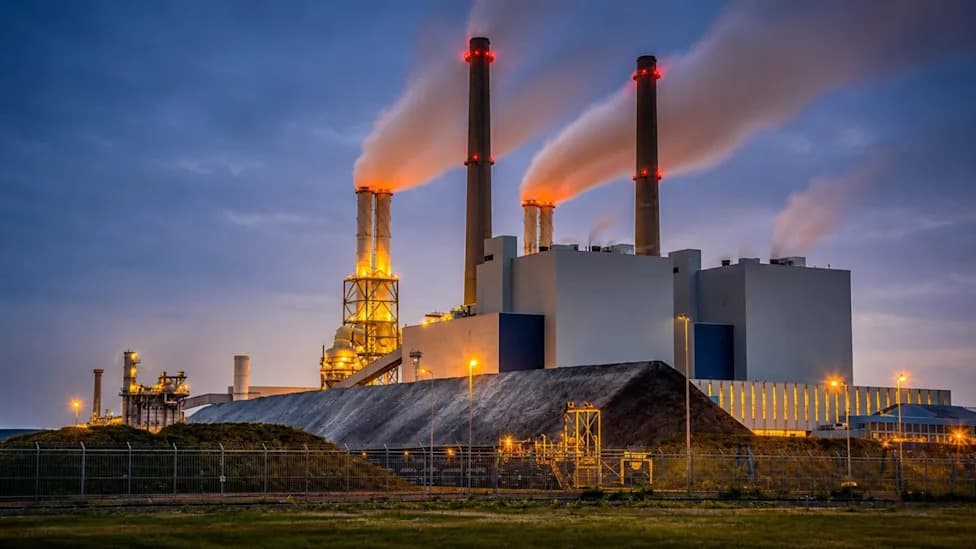
Permit documents suggest the facility could emit up to 33 million tons of CO₂ per year. If accurate, that would make the Texas plant the single largest point source of CO₂ emissions from any power plant in the United States — roughly double the emissions of the current largest U.S. power-plant emitter, the coal-fired James H. Miller Jr. Power Plant in Alabama, which emits about 16 million tons annually.
Amazon’s Position
Amazon says it remains committed to reducing greenhouse-gas emissions and to its long-term goal of reaching net-zero operations by 2040 as part of the voluntary Climate Pledge, which the company helped launch in 2019. In a statement, Amazon spokeswoman Margaret Callahan acknowledged the changing energy landscape and said the company is “fully committed to cutting emissions across its global operations.”

Google logo on a black background next to text reading 'Click to follow TechRadar'
“The world looks different now than when we co-founded the Climate Pledge,” said Margaret Callahan.
Industry Context
Hyperscale cloud and AI operators are rapidly expanding compute capacity, and many are choosing dedicated on-site generation rather than waiting for new utility interconnections that can take years. Industry analysts warn this trend could accelerate a wave of so-called off-grid gas projects to power energy-intensive AI workloads.
“We're going to see an explosion of off-grid gas projects,” said Michael Thomas, founder of Cleanview, noting that Amazon’s plan could foreshadow similar builds by other operators.
Environmental And Public-Health Concerns
Environmental and public-health groups have raised alarms about both the local and global impacts of large-scale gas combustion near communities. Combustion emissions and associated pollutants can affect local air quality and public health, while the scale of CO₂ emissions would undermine broader climate goals.
“It's going to absolutely have a huge impact on the environment and public health,” said Kathryn Guerra of Public Citizen.
Alternatives And Policy Context
Some tech firms are pursuing lower-carbon alternatives: for example, Microsoft has explored a deal for nuclear generation at Three Mile Island, and Meta has announced plans to secure large-scale solar capacity, including ambitious concepts such as orbital solar. At the same time, recent federal policy and permitting decisions have often favored fossil-fuel development, which industry players say can speed projects but risks locking in long-term emissions.
What’s next: The project will be subject to permitting, regulatory review and public scrutiny. If constructed at the scale described in the filings, the plant would raise urgent questions about how rapidly expanding AI infrastructure can be powered without derailing climate and public-health objectives.
Help us improve.