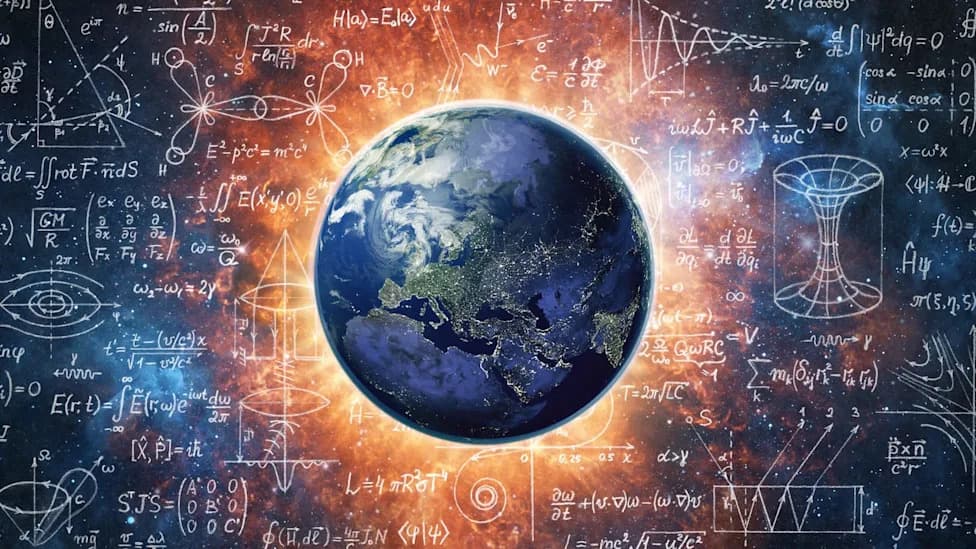
NASA has refuted a viral conspiracy that Earth will lose gravity for several seconds on Aug. 12, 2026. The agency told Snopes that Earth's gravity depends on its mass and cannot simply vanish unless the planet loses significant matter. The rumor — centered on a fabricated "Project Anchor" and amplified by social posts — originated from an AI-generated Instagram item and has no scientific or verifiable basis. Ordinary celestial events such as an eclipse or the Perseids do not affect Earth’s total gravity.
NASA Debunks Viral Claim That Earth Will Lose Gravity on Aug. 12, 2026
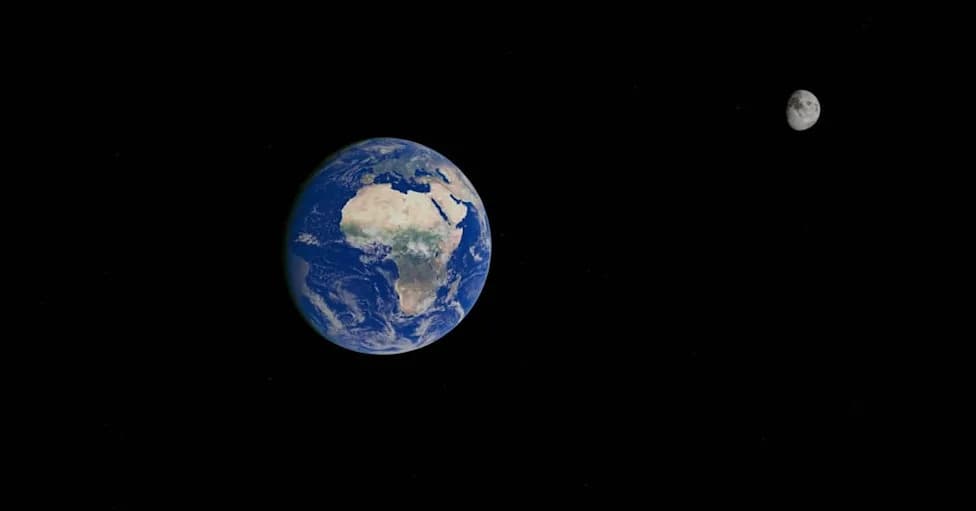
A viral conspiracy claims Earth’s gravity will disappear for seven seconds on August 12. | ©Image Credit: Zelch Csaba / Pexels
For months a bizarre online theory warned that Earth would suddenly lose its gravity for several terrifying seconds on Aug. 12, 2026. The claim — amplified across Instagram, TikTok and X — tied the prediction to a supposed classified program called "Project Anchor" and to real astronomical events taking place that week.
NASA has issued a clear, science-based rebuttal. The space agency told fact-checking site Snopes that Earth's gravity is determined by the planet's mass and cannot simply disappear unless the planet loses a significant amount of matter.
"Earth's gravity, or total gravitational force, is determined by its mass," NASA told Snopes. "The only way for the Earth to lose gravity would be for the Earth system, the combined mass of its core, mantle, crust, ocean, terrestrial water, and atmosphere, to lose mass. The Earth will not lose gravity on Aug. 12, 2026."
Why the Viral Claim Is Scientifically Implausible
There are two simple scientific points that undercut the conspiracy theory:
- Gravity Depends On Mass: A planet's gravitational pull comes from its total mass. Unless Earth somehow shed huge amounts of mass, its overall gravity cannot vanish for a few seconds.
- Gravitational Waves Are Not A 'Gravity Off' Switch: Gravitational waves — ripples in spacetime produced by violent events such as black hole mergers — are extremely weak by the time they reach Earth. They do not and cannot turn off Earth's gravity or lift people and oceans into the air.
How The Rumor Spread
Snopes traced the story to a December 2025 Instagram post from an account known for AI-generated conspiracy content. From there, the narrative ballooned as other posts and videos added dramatic details: an alleged $89 billion government program called "Project Anchor," a predicted seven-second loss of gravity at 10:33 a.m. EST that would launch unanchored objects up to 65 feet, and secret underground bunkers for a selected few.
These added claims have no verifiable evidence. No credible NASA or government document supports the story, and independent fact-checkers found the program and the quoted figures to be fabricated.
Real Astronomical Events Are Unrelated
Conspiracy posts also pointed to a cluster of legitimate sky events around Aug. 12 — a total solar eclipse, a dawn-visible planetary alignment, and the peak of the Perseid meteor shower — as supposed proof. NASA emphasized there is no link between ordinary celestial events and a sudden change in Earth’s total gravity.
"A total solar eclipse has no unusual impact on Earth's gravity," the agency said, noting that the gravitational effects of the Sun and Moon are well understood and primarily influence tides, not Earth's overall gravitational strength.
Public Reaction And Misinformation Dynamics
Interest in the topic spiked online: Google searches for terms like "gravity" reportedly rose about 60% in the week the rumor intensified. The episode is a reminder of how quickly sensational claims can spread — especially when they are paired with real but unrelated events and alarming details.
NASA's simple, science-based response aims to restore perspective: there is no evidence that Earth's gravity will disappear, no verified "Project Anchor," and no scheduled global catastrophe on Aug. 12, 2026.
Source: New York Post. Original article on GEEKSPIN. Verified claim-tracing by Snopes.
Help us improve.