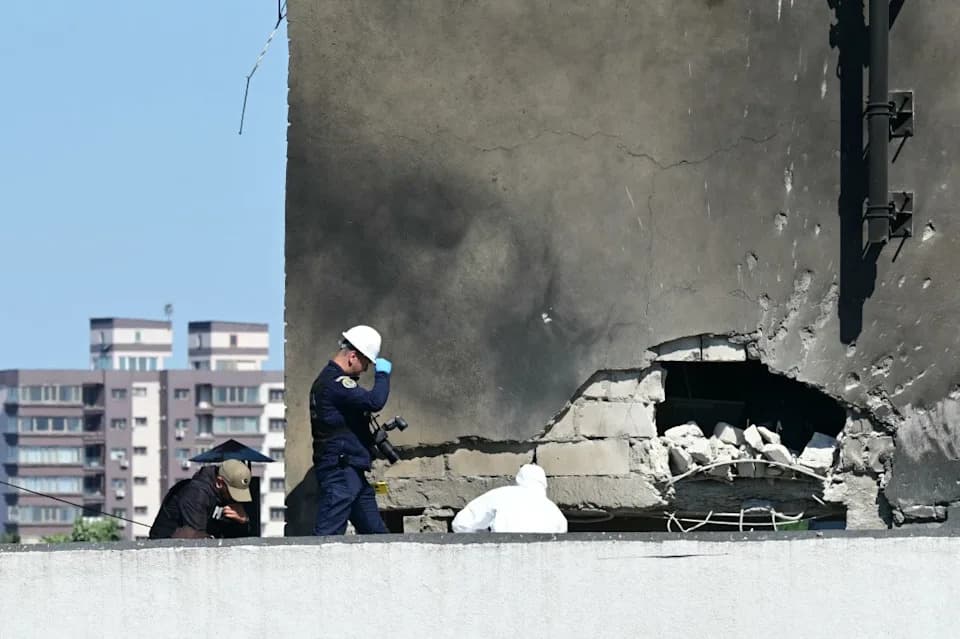
Gen. Carsten Breuer told The Wall Street Journal that Russia is using drones to test NATO air-defence systems across Europe and to identify vulnerabilities. Germany is drafting its first post‑World War II military strategy, boosting spending on ISR, space capabilities and air defence. The government has pledged €30 billion by 2030 for space assets and is deepening defence ties with Poland and the U.S.
Germany Warns Russia Is Using Drones To Probe NATO Air Defenses
(Dreamstime)
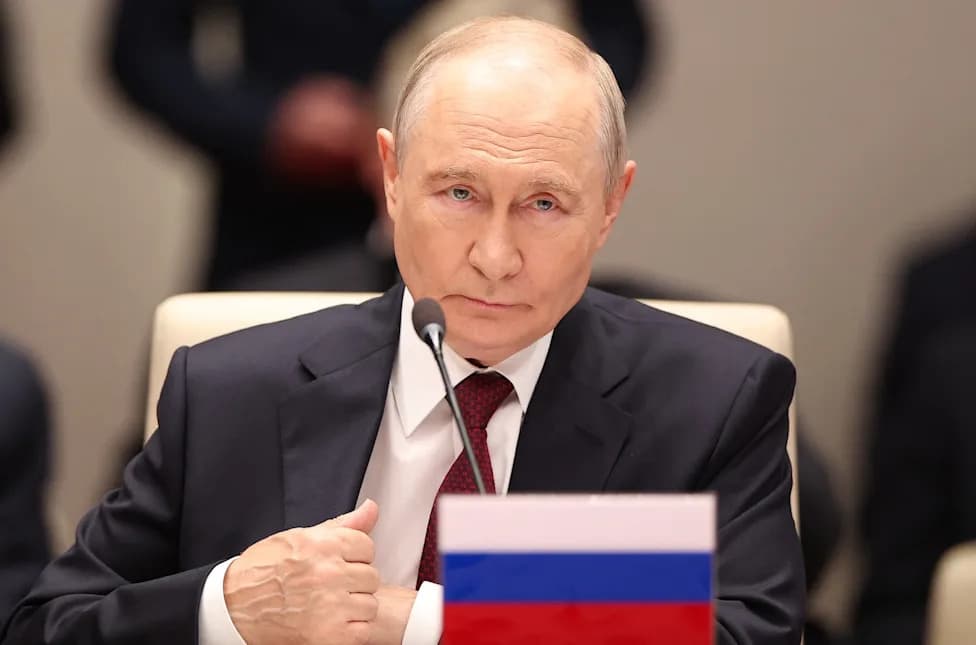
Germany's top military officer, Gen. Carsten Breuer, told The Wall Street Journal that Russia is deploying drones across Europe to probe NATO air defenses and identify weaknesses it could exploit. Breuer warned these actions form part of broader "hybrid" tactics aimed at testing allied responses and refining methods for a potential future conflict.
"Hybrid attacks are taking place every day in NATO countries," Breuer said. "Russia is testing us and looking at how we respond."
What Germany Is Doing
Breuer's assessment arrives as Germany drafts its first comprehensive national military strategy since World War II. The government has increased defence spending since Russia's full-scale invasion of Ukraine in 2022 and is prioritising investments in intelligence, surveillance and reconnaissance (ISR), space systems and strengthened air-defence networks.
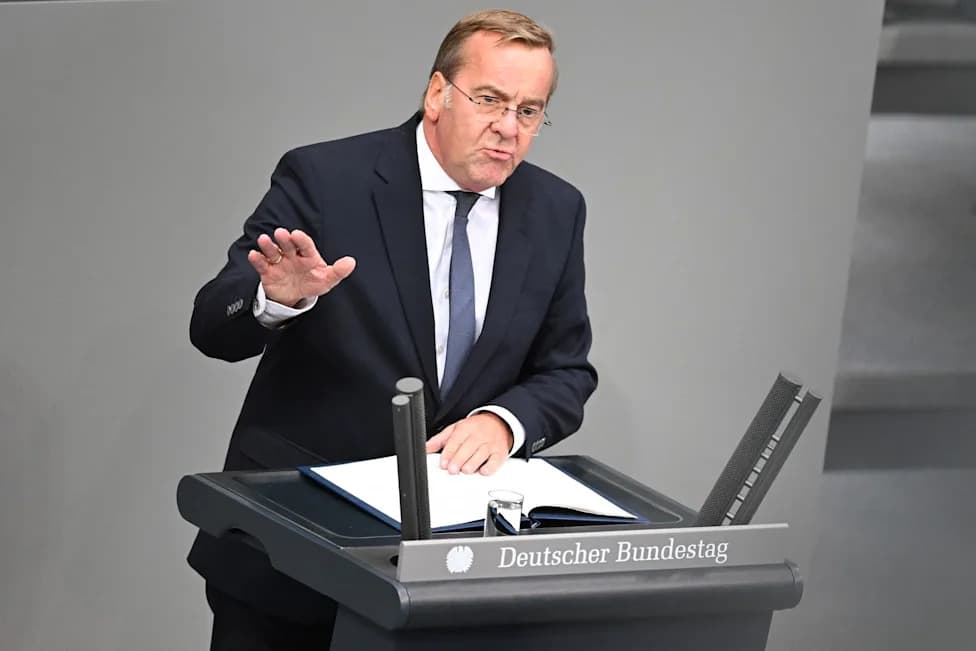
Germany's defence minister, Boris Pistorius, has pledged €30 billion by 2030 for satellites and other space assets to improve situational awareness and resilience. Breuer said: "We have the resources. We are building a deterrent that will be powerful. We need to make ourselves more independent and sustainable."
Incidents and Cooperation
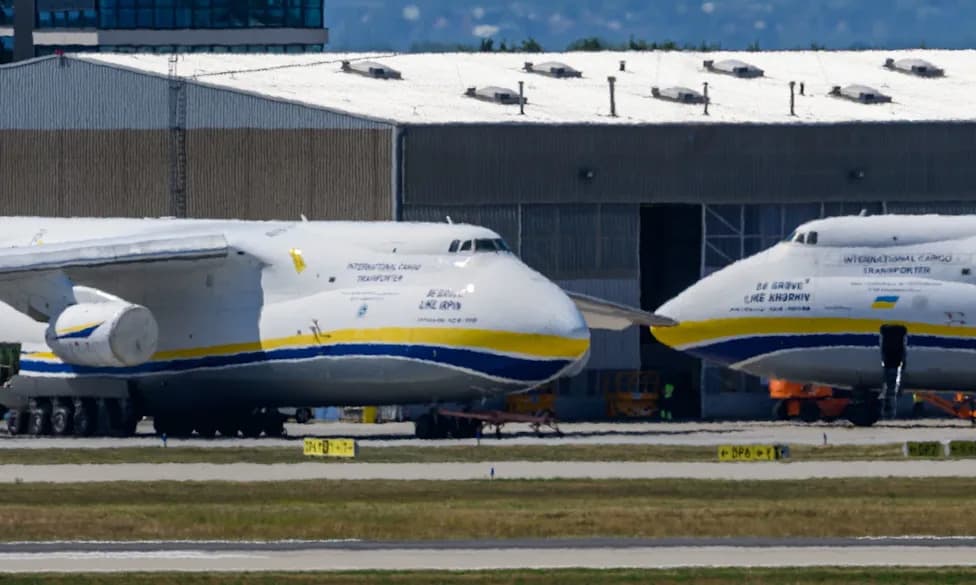
According to the Journal, German police recently disarmed a drone loaded with explosives near a Ukrainian cargo plane at a German airport; the incident remains under investigation. Breuer emphasised that, as Europe's largest economy, Germany should assume a leadership role in the continent's defence posture and contribute more to NATO deterrence.
Germany has also signed a military cooperation agreement with Poland to bolster NATO's eastern flank and reached an agreement with the United States to produce Tomahawk cruise missiles domestically.
Outlook
Breuer is reportedly the leading candidate to become chair of NATO's Military Committee in September, a position that would place him at the centre of allied military planning as Europe adapts to evolving threats from Moscow.
Reporting based on interviews and reporting by The Wall Street Journal and Newsmax.
Help us improve.